Perth Planners Face Critical Housing Choices Amid Immigration Surge
As immigration surges and land scarcity intensifies, Western Australia's planners face a pivotal choice between sprawl and density—and the stakes have never been higher.
2 min read
As immigration surges and land scarcity intensifies, Western Australia's planners face a pivotal choice between sprawl and density—and the stakes have never been higher.
2 min read
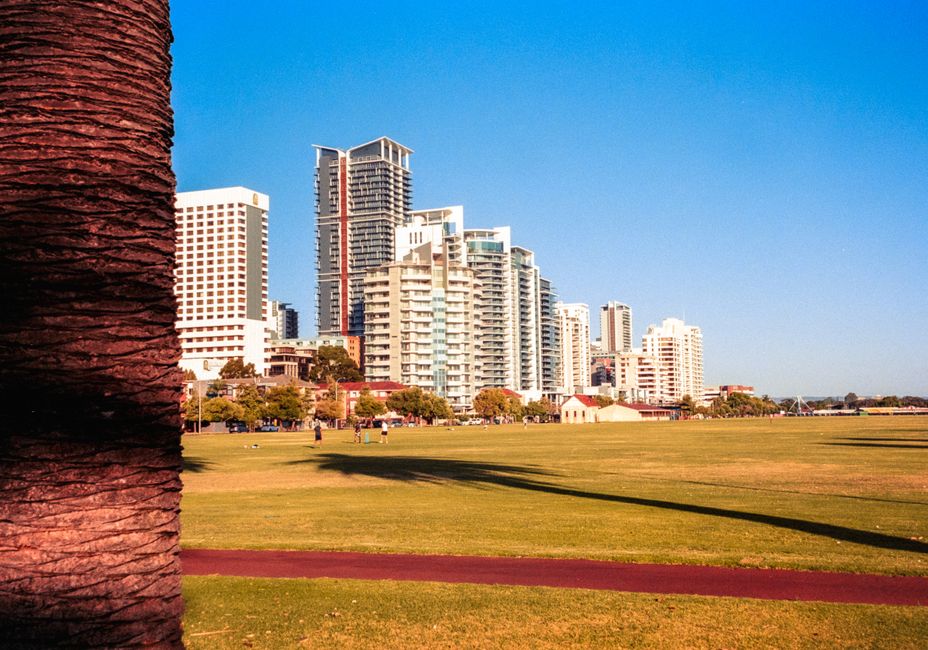
Perth stands at a defining juncture. With population growth accelerating faster than any major Australian city and median house prices approaching $700,000, the decisions made in the next 12 months will determine whether this city becomes affordable or increasingly out of reach for working families.
The challenge crystallises around three competing pressures. Defence contractor expansion near Stirling Naval Base is driving demand for housing in northern suburbs like Mindarie and Yanchep. Simultaneously, inner-city renewal around the Elizabeth Quay precinct and Perth's CBD revival projects are struggling to compete with outer-suburban land availability. Meanwhile, Metronet's southern and northern extensions—due to reach Thornlie, Yanchep and Cockburn by 2028—will determine which neighbourhoods become desirable transit-oriented communities and which remain isolated dormitory zones.
The Department of Biodiversity, Conservation and Attractions faces imminent decisions about green-space boundaries. Releasing Wungong Green Space for residential development could unlock 15,000 new dwellings south of the city, but would permanently reduce Perth's already limited bushland. Conversely, protecting it forces developers eastward into Jarrah and exurban sprawl.
The Western Australian Planning Commission's draft metropolitan region scheme update, due for public consultation this quarter, will reveal whether the government intends to mandate mixed-use zoning in established suburbs or continue single-dwelling dominance. Rezoning Subiaco or Nedlands for medium-density housing could add thousands of homes within existing infrastructure, yet faces fierce local opposition.
Financing poses another hurdle. The state budget surplus provides capacity for subsidised housing schemes, but infrastructure costs are immense. Extending water and sewerage to new greenfield estates around Ellenbrook adds billions in upfront expense. Retrofitting existing suburbs for density requires different investment.
The immigration surge—fuelled partly by skilled migration to resources and defence sectors—shows no signs of slowing. WA's population is projected to reach 3 million by 2040. Yet rental vacancy rates hover below 1 per cent, and first-home buyers are increasingly priced out of suburbs like Subiaco, Claremont and West Perth.
Key decisions loom: Will the government legislate mandatory inclusionary zoning, requiring developers to include affordable units? Will it fast-track approvals for transit-oriented development along Metronet corridors? Will it restrict foreign investment or implement land tax measures to discourage speculation?
The next six months will reveal whether Perth's leadership embraces genuine transformation—accepting density, protecting green space, and prioritising affordability—or defaults to incremental sprawl that deepens inequality.
This article was compiled by AI and screened before publishing. See our editorial standards.
Spread the word
About this article
Published by The Daily Perth
Stay in the loop
Daily brief
Free, in your inbox before 7am. Weekdays.
The Daily Network — local news across Australia
More local news across Australia