Perth's crime figures tell a story of surging demand on emergency services as population booms
New data reveals how Western Australia's rapid growth is reshaping police, fire and ambulance response times across the metropolitan area.
2 min read
New data reveals how Western Australia's rapid growth is reshaping police, fire and ambulance response times across the metropolitan area.
2 min read
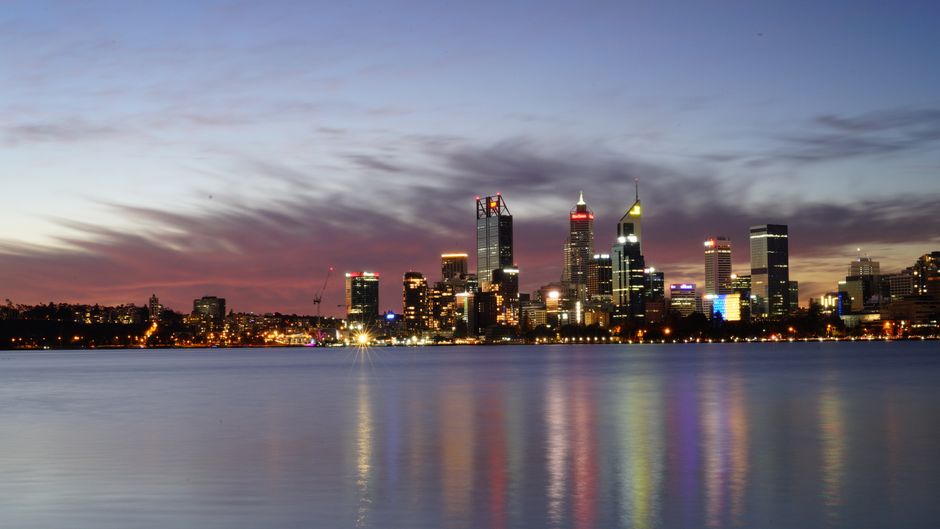
Western Australia's population surge is placing unprecedented strain on emergency services, with new crime and incident data revealing the scale of the challenge facing Perth's first responders.
According to the latest Western Australia Police Service statistics, response times to priority-one incidents across the Perth metropolitan area have increased by an average of 23 seconds over the past 18 months, with some suburbs experiencing delays exceeding two minutes. In fast-growing outer suburbs like Alkimos and Ellenbrook, where residential populations have ballooned by more than 40 per cent since 2023, police response times now average 8 minutes 34 seconds—up from 6 minutes 42 seconds two years ago.
The numbers paint a picture of stretched resources. WA Police currently employ approximately 6,850 officers across the state, serving a population that has grown by 87,000 residents since mid-2023. In practical terms, that equates to one officer per 470 residents in the metropolitan area—among the lowest ratios nationally.
Crime statistics themselves remain relatively stable, with overall reported incidents up just 3.2 per cent year-on-year despite population growth of 2.8 per cent. However, call volumes tell a different story. The state's emergency services received 2.34 million triple-zero calls in the 2025-26 financial year, with approximately 34 per cent deemed non-emergency matters that could have been resolved through alternative pathways.
St John Ambulance Western Australia has reported a 19 per cent increase in demand, with average response times in the CBD and inner suburbs rising from 6 minutes 15 seconds to 7 minutes 42 seconds. The service now responds to approximately 1,840 calls daily across Perth, with peak demand concentrated between 4pm and 8pm.
Fire and Rescue WA faces similar pressures. The service operates 42 fire stations across the metropolitan area, responding to an average of 4,200 callouts monthly—with false alarms and non-fire emergency responses accounting for 62 per cent of incidents.
Experts suggest the data underscores a fundamental mismatch between population growth and service investment. The state government's recent $565 million commitment to emergency services funding will deliver new stations in Clarkson and Baldivis, but recruitment and training timelines mean full capacity won't be reached until 2028.
For Perth residents, the statistics translate to real-world consequences: longer waits, stretched staff, and mounting pressure on the city's emergency infrastructure precisely when the AUKUS defence commitments and ongoing resource sector expansion continue driving migration to WA.
This article was compiled by AI and screened before publishing. See our editorial standards.
Spread the word
About this article
Published by The Daily Perth
Stay in the loop
Daily brief
Free, in your inbox before 7am. Weekdays.
The Daily Network — local news across Australia
More local news across Australia