WA Schools and Universities Navigate Population Surge, Budget Constraints
As Perth's population surges and the state budget tightens, education leaders must decide how to fund expansion, attract talent, and compete globally.
2 min read
As Perth's population surges and the state budget tightens, education leaders must decide how to fund expansion, attract talent, and compete globally.
2 min read
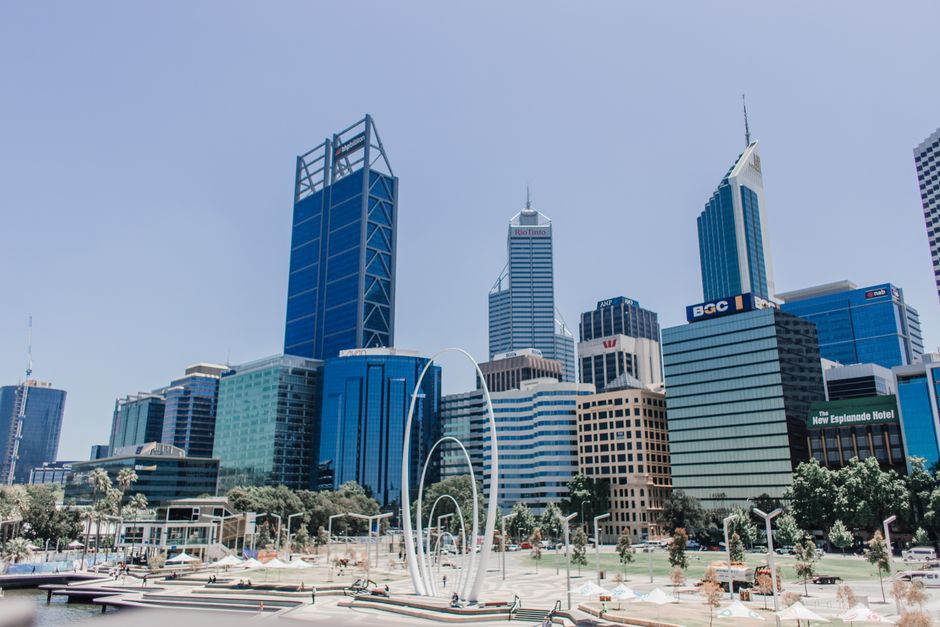
Western Australia's education sector stands at a crossroads. With Perth's population projected to grow by nearly half a million by 2050, schools and universities face mounting pressure to expand capacity, upgrade ageing infrastructure, and retain quality staff—all while navigating budget constraints that will define the next decade.
The immediate flashpoint is teacher recruitment. WA currently faces a shortage of nearly 400 educators across government schools, with regional and outer-suburban areas like Ellenbrook, Thornlie, and Alkimos hit hardest. The Education Department's recent job advertisements offer salaries roughly 12 percent below comparable Victorian and Queensland roles. Without a meaningful pay adjustment, schools servicing Perth's expanding northwestern corridors risk chronic understaffing. The state government must decide within months whether to commit to a multi-year salary realignment or accept widening gaps in educational delivery.
At university level, Curtin University and the University of Western Australia confront a different puzzle: how to maintain research leadership while managing international enrolment volatility. Both institutions have benefited from AUKUS-linked defence research funding flowing through Stirling Naval Base partnerships, but diversifying revenue streams remains essential. UWA's planned $2 billion redevelopment of its Crawley campus and Curtin's expansion into advanced manufacturing research represent competing visions for Perth's intellectual capital. Board decisions about which research clusters to prioritise will ripple through hiring, infrastructure investment, and graduate outcomes for the next fifteen years.
Infrastructure timing is equally critical. Metronet's eventual completion to Yanchep and Thornlie-Cockburn will reshape school catchments and accessibility. Planners must decide now whether to front-load new school builds ahead of rail opening or risk temporary overcrowding. The Department of Education's capital works pipeline currently funds 47 new classrooms across the metro area by 2030, but independent analysis suggests demand could require nearly double that. This gap won't close itself.
Vocational education also requires urgent clarity. With WA's resources sector and defence manufacturing creating skilled-trade demand, TAFE WA and registered training organisations must decide how aggressively to expand engineering, electrical, and advanced manufacturing programs. Competition from interstate providers is intensifying, yet local employers report pipeline shortages in trades critical to AUKUS supply chains.
The overarching question is structural: Should WA treat education as discretionary spending to be trimmed when budgets tighten, or as foundational infrastructure deserving priority investment regardless of commodity cycles? That answer, made implicitly over the next 12-18 months through funding announcements and policy direction, will determine whether Perth's education system grows with the city or becomes a constraining factor on it.
This article was compiled by AI and screened before publishing. See our editorial standards.
Spread the word
About this article
Published by The Daily Perth
Stay in the loop
Daily brief
Free, in your inbox before 7am. Weekdays.
The Daily Network — local news across Australia
More local news across Australia