Perth Advances Green Goals: Stadium Renewables, Coastal Protection Expand
From Optus Stadium's renewable energy upgrades to new coastal protection schemes in Cottesloe, Western Australia is accelerating its environmental commitments.
2 min read
From Optus Stadium's renewable energy upgrades to new coastal protection schemes in Cottesloe, Western Australia is accelerating its environmental commitments.
2 min read
Perth's environmental landscape shifted noticeably this week as the Western Australian government and local organisations announced several significant sustainability initiatives, signalling a renewed focus on green infrastructure across the metropolitan area.
The Department of Biodiversity, Conservation and Attractions unveiled an expanded coastal resilience program on Tuesday, targeting erosion hotspots from City Beach to Cottesloe. The $14.2 million initiative will fund native dune restoration and living seawalls designed to buffer against intensifying storm surge events. Cottesloe Beach, which experienced significant sand loss during winter storms in 2024, will receive priority funding for vegetation replanting and marine habitat protection.
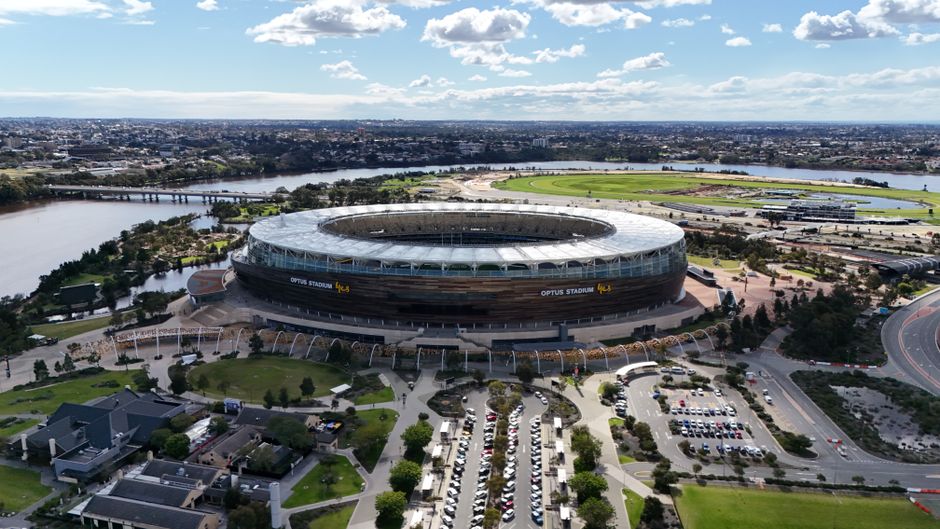
In a parallel development, Optus Stadium confirmed completion of Phase Two of its solar panel installation, adding 1,200 additional panels to its existing rooftop array. The facility now generates approximately 35 per cent of its operational energy from renewable sources, positioning it as the state's largest stadium-based solar installation. The upgrade supports the venue's commitment to carbon neutrality by 2030 and comes amid broader state government pressure on major public venues to reduce emissions.
Meanwhile, the City of Perth announced a revised waste management strategy focusing on circular economy principles. The council's campaign, launching at the Perth Farmers Market precinct on Saturday, aims to reduce single-use plastics by 40 per cent across CBD retailers by 2028. Early adoption from businesses along Forrest Place and St Georges Terrace has exceeded expectations, with more than 60 retailers already committing to compostable alternatives.
The Metronet expansion has also embedded sustainability considerations into its design phases. New stations across the Thornlie and Yanchep lines will feature water-sensitive urban design elements and native landscaping, reducing reliance on imported water supplies by an estimated 20 per cent compared to earlier transport infrastructure projects.
However, environmental advocates note ongoing tensions. The rapid residential expansion fuelling housing demand in suburbs like Baldivis and Karnup continues to strain biodiversity corridors, despite conservation overlays. The CSIRO's latest regional climate assessment, released last month, projects Perth's average temperatures could rise 1.8 degrees by 2050 under current trajectories, intensifying pressure on water resources already stretched by population growth.
These developments reflect WA Labor's broader sustainability agenda, balancing economic priorities in resources and defence manufacturing with environmental stewardship across the Indian Ocean Strategy region. The week's announcements suggest an attempt to demonstrate that growth and green commitment need not be mutually exclusive.
This article was compiled by AI and screened before publishing. See our editorial standards.
Spread the word
About this article
Published by The Daily Perth
Stay in the loop
Daily brief
Free, in your inbox before 7am. Weekdays.
The Daily Network — local news across Australia
More local news across Australia