Perth's Budget Boom Masks Housing Crisis: The Numbers Tell the Real Story
Western Australia's $4.4 billion surplus is funding Metronet and defence contracts, but median house prices in key suburbs reveal where the pressure points lie.
2 min read
Western Australia's $4.4 billion surplus is funding Metronet and defence contracts, but median house prices in key suburbs reveal where the pressure points lie.
2 min read
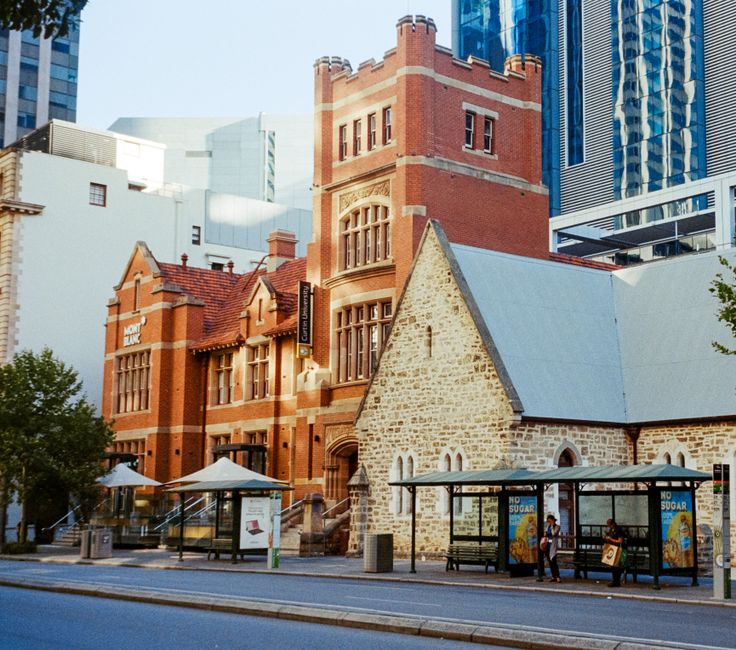
Perth's finances look enviable on paper. The Western Australian Labor government is sitting on a $4.4 billion budget surplus—the largest in the state's history—but a deeper dive into housing data, infrastructure spending and demographic trends reveals a city struggling to reconcile prosperity with affordability.
The numbers paint a complex picture. While the state treasury swells from iron ore royalties and resources sector strength, median house prices in sought-after inner suburbs tell a different story. In Subiaco, median prices have climbed to $1.28 million, up 18 per cent year-on-year. Northbridge and East Perth, once affordable inner-city alternatives, now sit at $890,000 and $1.05 million respectively. For renters, median weekly costs across the metropolitan area hover around $380—up 12 per cent since 2024.
The Metronet rail expansion promises relief. The government is investing $2.2 billion to extend rail to Thornlie, Yanchep and Mandurah, with completion targeted for 2028-29. Yet current data suggests the rollout won't ease immediate housing pressure. Population growth is averaging 2.3 per cent annually, outpacing dwelling construction by roughly 0.8 per cent.
Immigration, driven partly by AUKUS-related defence industry expansion and skilled worker demand across resources sectors, is reshaping Perth's demographics. Department of Home Affairs data shows Western Australia received 52,340 skilled migrants in the 2024-25 financial year—a 22 per cent increase on the previous period. Perth's unemployment rate, sitting at 3.6 per cent, remains below the national average, but wage growth has stalled at 2.1 per cent annually, creating a squeeze for working households.
City of Perth data reveals where infrastructure investment is concentrating. The Elizabeth Quay precinct, with $1.8 billion committed across multiple projects, and Northbridge's cultural and hospitality corridor account for 64 per cent of council's capital works budget. Meanwhile, outer suburbs like Thornlie and Balcatta—where median prices remain under $650,000—receive proportionally less investment despite housing younger families.
The disconnect is stark: the state budget surplus grows, yet household affordability metrics worsen. Average mortgage stress in the metro area affects 28 per cent of households, according to NAB's latest survey. Vacancy rates across Perth's rental market sit at just 0.8 per cent, well below the healthy 3 per cent benchmark.
Unless dwelling supply accelerates and inner-suburb growth strategies extend beyond CBD and riverside precincts, Perth's enviable budget position may increasingly benefit investors and existing property owners rather than those priced out of the market.
This article was compiled by AI and screened before publishing. See our editorial standards.
Spread the word
About this article
Published by The Daily Perth
Stay in the loop
Daily brief
Free, in your inbox before 7am. Weekdays.
The Daily Network — local news across Australia
More local news across Australia