Perth Schools Transform Under Decade of Growth, Budget Pressures
A perfect storm of population growth, infrastructure lag, and budget constraints has reshaped classrooms across the city—and the path forward remains contested.
2 min read
A perfect storm of population growth, infrastructure lag, and budget constraints has reshaped classrooms across the city—and the path forward remains contested.
2 min read
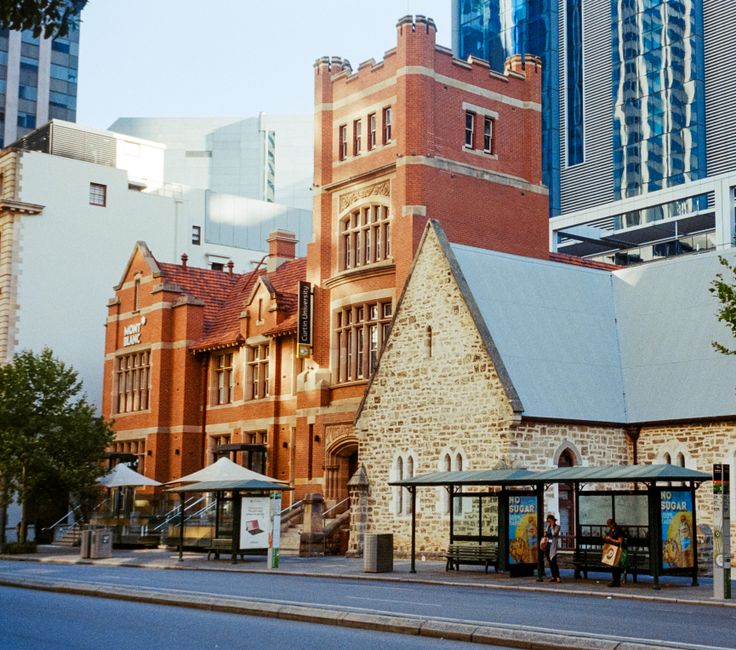
Walk through the corridors of Scotch College in Swanbourne or Methodist Ladies' College in Claremont, and you'll see what success looks like in Perth education. But venture into the rapidly expanding suburbs of Ellenbrook, Baldivis, and Thornlie, and you'll encounter a different story—one of portable classrooms, overcrowded playgrounds, and staff stretched thin.
The transformation didn't happen overnight. A decade of unprecedented migration to Western Australia has collided with a schooling system that, while historically well-funded by national standards, wasn't designed for this scale of change. Between 2011 and 2021, Perth's population surged by nearly 350,000 people. That trend has accelerated dramatically since, driven by interstate migration from southern states and skilled workers arriving for AUKUS defence contracts at Stirling Naval Base and the broader resources sector.
The mathematics are brutal. School enrolments across WA have jumped roughly 15 per cent over the past decade, with the worst pressure felt in outer suburbs where young families settle for affordable housing. The Department of Education WA now oversees around 400 public schools, yet new infrastructure hasn't kept pace. While the Metronet rail expansion has transformed connectivity along the eastern corridor, extending to Thornlie and Yanchep, education planners were caught playing catch-up.
The fiscal picture adds complexity. WA's record state budget surplus—hovering near $10 billion in recent years—has created competing demands. Defence spending, nursing workforce expansion, and road projects all jostle for priority alongside classroom construction. Private providers have capitalised on uncertainty, with fee-paying schools in suburbs like Cottesloe, Dalkeith, and Mount Lawley reporting waitlists, while public systems absorb the overflow.
Universities haven't escaped pressure either. Curtin University's Bentley campus and the University of Western Australia's Crawley campus both face mounting demand, particularly from international cohorts and pathway students seeking alternatives to Melbourne and Sydney. Competition for research funding has intensified as Australian institutions reposition themselves around Indo-Pacific strategy.
Teachers remain the most visible stress point. Recruitment campaigns have expanded beyond Perth into rural WA, Tasmania, and interstate—yet shortages persist in mathematics, sciences, and languages. Pay competitiveness, which once favoured WA, has narrowed as other states lifted wages.
As Perth enters its fourth consecutive year of significant population growth, education systems face a critical juncture. Infrastructure investment announcements appear regularly, yet implementation timelines stretch beyond immediate crises. The question facing policymakers isn't whether change is necessary—it's whether investment can match demographic reality before the system fractures further.
This article was compiled by AI and screened before publishing. See our editorial standards.
Spread the word
About this article
Published by The Daily Perth
Stay in the loop
Daily brief
Free, in your inbox before 7am. Weekdays.
The Daily Network — local news across Australia
More local news across Australia