Metronet Perth Thornlie-Cockburn: Residents React to Delays
Perth's Metronet Thornlie-Cockburn line faces 18-month delays with completion expected 2026. Residents share concerns about construction disruption along the $2.3B corridor.
2 min read
Perth's Metronet Thornlie-Cockburn line faces 18-month delays with completion expected 2026. Residents share concerns about construction disruption along the $2.3B corridor.
2 min read
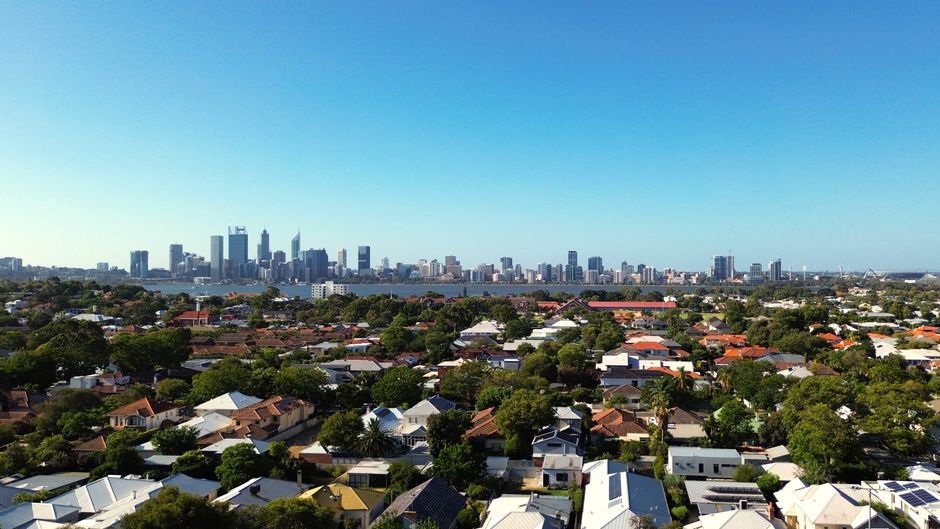
The sound of jackhammers and excavation equipment has become the soundtrack of life in Thornlie and surrounding suburbs, as Metronet's final stage barrels toward completion. But beneath the optimism of government announcements lies a more complex reality—one where affected residents express both hope and exhaustion about Western Australia's most ambitious transport project.
The Thornlie-Cockburn line, originally scheduled to open in 2023, now sits 18 months behind schedule with completion expected by end of 2026. Along Stirling Avenue in Thornlie and throughout the $2.3 billion corridor, the human cost of infrastructure ambition has become impossible to ignore.
"My kids can't play in the front yard anymore," says one Thornlie resident, speaking on condition of anonymity. "The noise starts at 6 am most days. I get it—Perth needs transport—but nobody properly told us how long this would actually take."
The sentiment reflects broader community frustration captured in local forums and neighbourhood groups. Some residents report 70-80 per cent dust and noise disruption during peak construction phases, with impacts on sleep quality and property values. Local business owners along affected routes report reduced foot traffic and delayed expansion plans.
Yet the perspective from transport advocacy groups tells a different story. The Public Transport Users Association WA points out that the two new rail lines will service over 40,000 residents currently reliant on cars, potentially reducing congestion on Albany Highway and Kwinana Freeway during peak hours.
"Yes, construction is painful," acknowledges one Cockburn-area community advocate. "But the infrastructure gap in these suburbs has been real for decades. Young families in Thornlie face 45-minute commutes to the CBD. Once this opens, that changes fundamentally."
Transport Minister Rita Saffioti's office has emphasised that $500 million in community benefit agreements, including noise management protocols and business support schemes, demonstrate commitment to affected residents. By September 2026, both new stations and associated cycling infrastructure should be operational.
The tension reflects Perth's growth paradox: rapid eastward expansion creating housing demand but straining existing infrastructure. The WA government's $2.8 billion budget surplus provides capacity for future projects, though residents wonder why planning couldn't have prevented current disruption.
As construction momentum builds toward completion, community sentiment appears pivoting from criticism toward cautious optimism—with one clear message: better communication and faster timelines must shape future megaprojects. Perth's growth story depends on it.
This article was compiled by AI and screened before publishing. See our editorial standards.
Spread the word
About this article
Published by The Daily Perth
Stay in the loop
Daily brief
Free, in your inbox before 7am. Weekdays.
The Daily Network — local news across Australia
More local news across Australia