Perth's Communities Adapt as Growth Strains Local Identity Worldwide
While rapid expansion strains local identity across comparable cities worldwide, Perth's grassroots neighbourhood networks are adapting in ways that set it apart.
2 min read
While rapid expansion strains local identity across comparable cities worldwide, Perth's grassroots neighbourhood networks are adapting in ways that set it apart.
2 min read
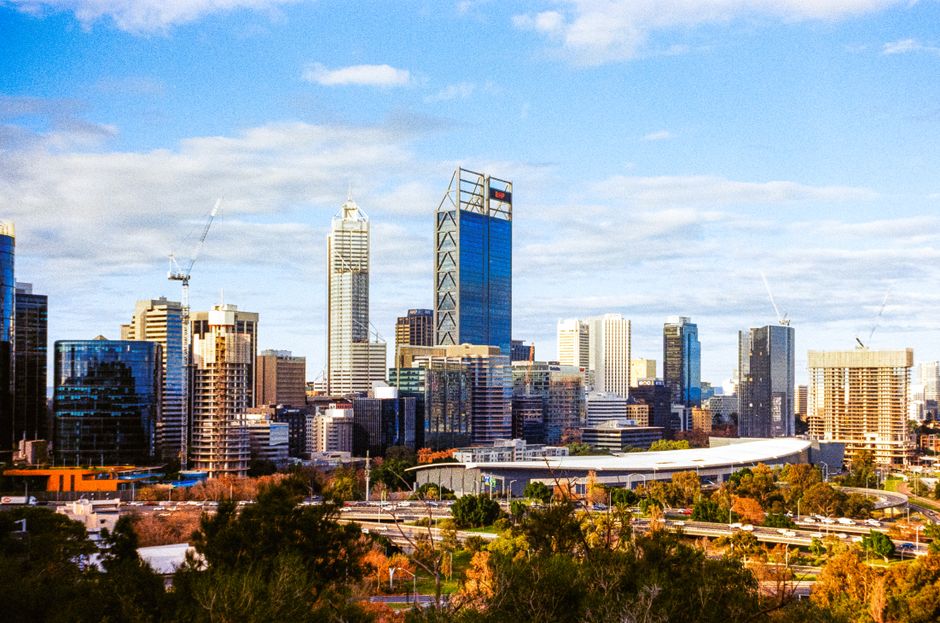
As Perth grapples with population pressures that would rival any mid-sized global city, the resilience of its neighbourhood communities is emerging as a defining factor in how smoothly this growth translates into liveable reality.
The past 18 months have seen Perth's expansion accelerate beyond forecasts. With defence contracts flowing through Stirling Naval Base and skilled migration reshaping suburbs from Subiaco to Rockingham, the city's character is being tested in ways similar to Adelaide, Brisbane, and even smaller European cities like Cork and Uppsala.
What's striking is how local communities are organising. The Beaufort Street precinct in Perth continues to thrive partly because established traders associations actively shape streetscape decisions—something that prevented the homogenisation that gutted comparable districts in other cities. Meanwhile, newer suburbs like Ellenbrook are developing community gardens and hyperlocal social networks that global research suggests slow the alienation typically seen in rapid-growth areas.
Housing costs tell part of the story. Median Perth house prices now hover around $695,000—considerably lower than Sydney or Melbourne, but climbing faster than comparable cities like Adelaide ($520,000) and significantly outpacing Brisbane's growth rate year-on-year. That slower acceleration appears to have created breathing room for established communities to adapt without the rupture seen elsewhere.
Parkland activation deserves attention too. Unlike sprawling cities that lose neighbourhood identity through car-dependent development, Perth's Metronet expansion is anchoring community investment around stations. The approach mirrors successful models in places like Auckland and Perth's investment in local reserves—North Perth's Central Park precinct and Mends Street in South Perth are drawing diverse groups in ways that prevent the siloing typical of newer suburbs elsewhere.
But challenges remain. Schools are under pressure, childcare costs are among the nation's highest, and the rental market is tightening as investors respond to interstate migration. These issues aren't unique—they're plaguing Canberra, Adelaide, and regional UK towns similarly affected by infrastructure investment.
The difference appears to be institutional: Western Australia's relatively stable government policy, combined with grassroots organisations like the Perth Traders Association and active street committees, has created continuity that helps neighbourhoods absorb change. Cities like Brisbane saw faster fracturing precisely because rapid growth outpaced community infrastructure.
As The Daily Perth examines how this city navigates its next chapter, the evidence suggests Perth's advantage lies not in stopping growth, but in how deeply embedded its neighbourhood institutions remain. Whether that proves resilient enough as the curve steepens will define whether Perth remains liveable as it grows, or whether it becomes another victim of prosperity.
This article was compiled by AI and screened before publishing. See our editorial standards.
Spread the word
About this article
Published by The Daily Perth
Stay in the loop
Daily brief
Free, in your inbox before 7am. Weekdays.
The Daily Network — local news across Australia
More local news across Australia