Housing Crisis Intensifies: What Perth's Migrant Communities Are Really Experiencing
As rental prices soar and vacancy rates plummet, newly arrived residents across Perth's suburbs share their struggles and hopes for the future.
2 min read
As rental prices soar and vacancy rates plummet, newly arrived residents across Perth's suburbs share their struggles and hopes for the future.
2 min read
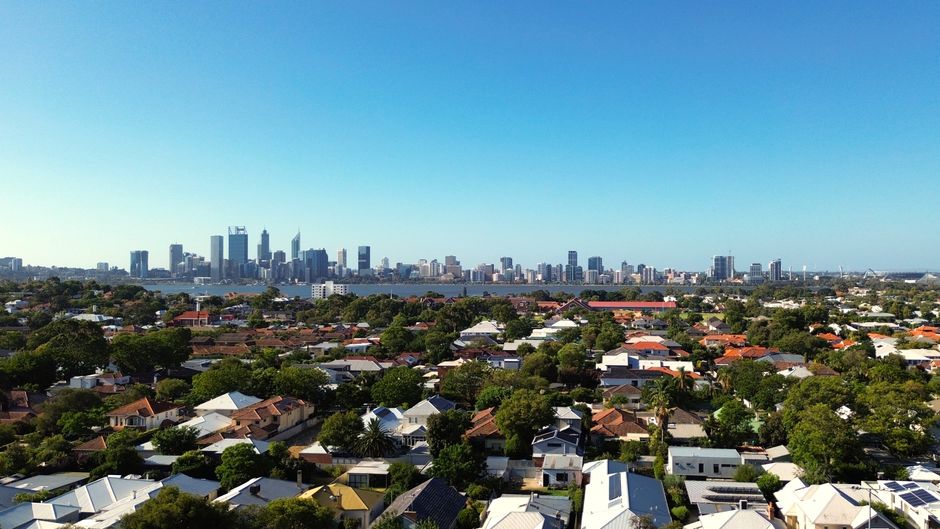
Perth's migration boom has transformed neighbourhoods from Northbridge to Cannington, but the human cost of rapid population growth is becoming impossible to ignore. Rental vacancy rates have fallen to 0.7% across the metropolitan area, with median weekly rents now exceeding $550—up nearly 40% since 2023—leaving migrant communities particularly vulnerable.
Community leaders and service providers working with newly arrived residents describe a growing crisis. The Migrant Resource Centre in Mirrabooka, which serves over 2,000 clients annually, reports unprecedented demand for housing assistance. Caseworkers encounter families spending 60% or more of household income on rent, crowding into single properties, and facing discrimination from landlords reluctant to lease to non-citizens or those without established local credit histories.
"We're seeing young Indian families who arrived through skilled migration programmes forced into share houses in suburbs like Kelmscott and Armadale, sometimes an hour from their workplaces," explains one community advocate working across the southern corridor. "The costs add up quickly when you're also sending remittances home."
The pressure extends beyond housing. Educational institutions and healthcare providers in high-migration areas report stretched resources. Perth's education system has absorbed over 8,000 international students annually in recent years, competing for accommodation with permanent migrants. Maternity wards and GP clinics in outer suburbs are operating at capacity.
WA Labor's commitment to Metronet rail expansion offers some long-term relief, potentially opening up more affordable areas for settlement. However, advocates warn that without interim measures, thousands of migrant families face precarious living situations during the construction period. The state government's recent budget surplus of $5.2 billion has prompted calls for targeted investment in migrant housing support and community infrastructure.
Some communities are finding grassroots solutions. Cultural associations in Northbridge and Cannington have begun coordinating shared housing arrangements and providing mentorship to newly arrived families navigating the local rental market. Religious organisations, from gurdwaras to mosques to churches, offer critical support networks—though demand continues to outpace capacity.
The paradox is stark: Perth desperately needs skilled migrants to fill labour shortages in healthcare, construction, and technology sectors driven partly by AUKUS defence contracts and resource sector expansion. Yet the city's inadequate housing supply threatens to make itself an unwelcoming destination.
As Perth's population accelerates toward 2.5 million, community leaders insist the conversation must shift from celebrating migration numbers to addressing the lived reality of those arriving. Without swift action on housing and services, they warn, Western Australia risks losing the very workers its economy depends upon.
This article was compiled by AI and screened before publishing. See our editorial standards.
Spread the word
About this article
Published by The Daily Perth
Stay in the loop
Daily brief
Free, in your inbox before 7am. Weekdays.
The Daily Network — local news across Australia
More local news across Australia