Perth Renewable Energy Targets: Progress and Challenges
Perth's renewable energy capacity reaches 4,547MW with 287,000 solar installations, but housing sprawl and water security threaten WA's green transition goals.
2 min read
Perth's renewable energy capacity reaches 4,547MW with 287,000 solar installations, but housing sprawl and water security threaten WA's green transition goals.
2 min read
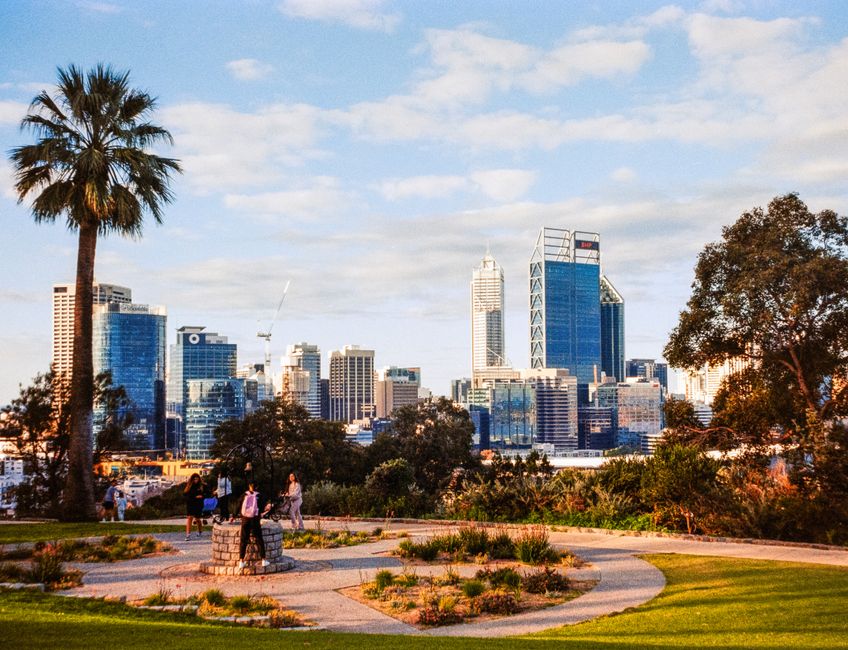
Perth's environmental transformation is unfolding across measurable milestones that tell a complex story of progress and persistent challenges, according to recently updated sustainability data from the WA government and independent environmental monitors.
Renewable energy capacity in WA has grown to 4,547 megawatts as of mid-2026, representing a 34% increase over three years. Solar installations across the metropolitan area—from Fremantle to Joondalup—have reached 287,000 rooftop systems, generating approximately 1.2 gigawatt-hours daily during peak summer months. The state's carbon emissions trajectory has declined by 8.3% since 2020, placing WA ahead of its 2030 interim targets.
Yet housing density metrics reveal the tension beneath these gains. Greater Perth's urban footprint expanded by 12,400 hectares between 2022 and 2025, driven by developments pushing eastward toward the Darling Scarp. The population surge—adding roughly 85,000 residents annually—has outpaced infill housing projects, which account for only 38% of new dwellings against a state target of 50% by 2030. Water consumption per capita remains at 117 kilolitres annually, stubbornly above the 100-kilolitre efficiency benchmark, despite Setonix recycled water plant expansions.
Transport electrification shows modest but accelerating momentum. Electric vehicle registrations have jumped 156% year-on-year to 34,800 vehicles, though they represent just 4.2% of total vehicles on Perth roads. The Metronet rail expansion is projected to remove 18 million car journeys annually once fully operational by 2028, cutting transport emissions by an estimated 156,000 tonnes CO₂-equivalent per year.
Waste management data presents mixed signals. Landfill diversion rates have improved to 58% across the metropolitan area, but construction and demolition waste still represents 39% of all waste streams. Recycling contamination rates in kerbside collection bins remain problematic at 22%, limiting processing efficiency at facilities like Cleanaway's Canning Vale operations.
Climate risk modelling released by Curtin University and the CSIRO predicts Perth will experience 42 additional days annually exceeding 35°C by 2050 under current trajectory. Water availability projections suggest a 15% reduction in rainfall by 2070, intensifying pressure on the Integrated Water Supply Scheme that serves 2.3 million people across the southwest.
These figures underscore what state environmental analysts describe as a transition requiring acceleration across three dimensions: renewable infrastructure scaling, urban densification, and water security innovation. Progress is measurable; the pace remains contested.
This article was compiled by AI and screened before publishing. See our editorial standards.
Spread the word
About this article
Published by The Daily Perth
Stay in the loop
Daily brief
Free, in your inbox before 7am. Weekdays.
The Daily Network — local news across Australia
More local news across Australia