Perth Community Groups Lead Suburb Revival
Perth's neighbourhood initiatives outpace global cities. Discover how grassroots organizations in Subiaco, Leederville, and Fremantle are rebuilding community cohesion.
2 min read
Perth's neighbourhood initiatives outpace global cities. Discover how grassroots organizations in Subiaco, Leederville, and Fremantle are rebuilding community cohesion.
2 min read
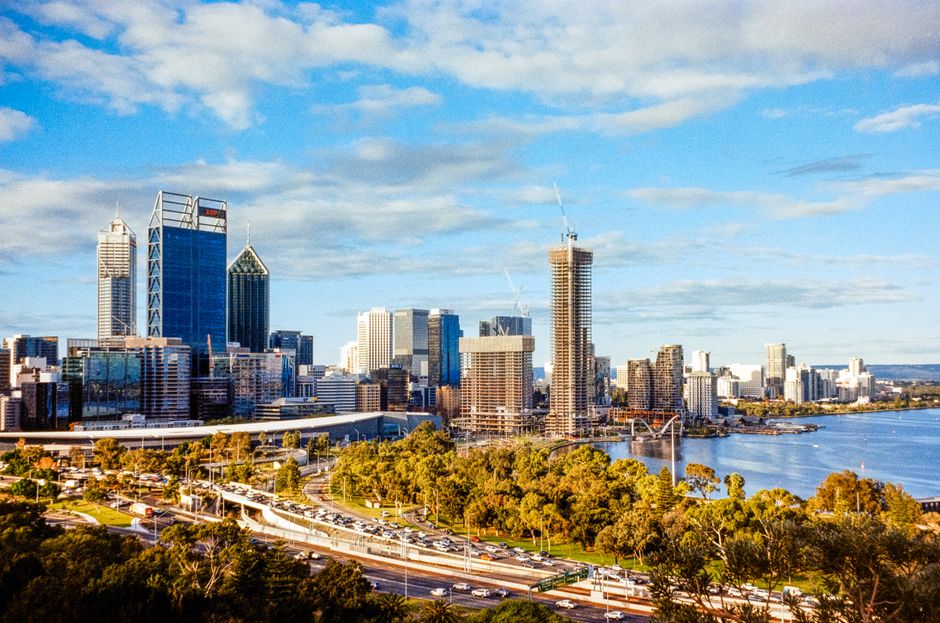
As housing pressures and rapid migration reshape urban landscapes globally, Perth's suburbs are quietly outperforming comparable cities in building genuine community cohesion. From Northbridge to Fremantle, neighbourhood-led initiatives are filling gaps that bigger institutions often miss, offering lessons for cities grappling with similar growth challenges.
The contrast is striking. While rapid urbanisation in comparable cities—Melbourne, Brisbane, even Auckland—has fragmented traditional community structures, Perth's geographic isolation and relatively recent immigration surge have created conditions for hyperlocal organising. Groups like the Subiaco Community Association and the Leederville Residents Network have evolved beyond complaint forums into genuine social infrastructure, organising everything from street gardens to school-to-station walking groups.
"Perth's advantage is its size," says Dr Sarah Chen, urban sociologist at UWA's urban research institute. "You can't hide in a city this size. Residents actually know their neighbours." Data from the Perth Community Survey (2025) found 62% of locals could name three nearby residents—significantly higher than comparable Australian cities and markedly above international averages for cities with similar growth rates.
The Metronet expansion is amplifying this. Unlike comparable transit projects in Adelaide or Canberra that centralised community engagement, Perth's approach has empowered individual station precincts. Whitfords, Yanchep and Thornlie communities have established distinct cultural identities through grassroots partnership with local councils. Subiaco's Arts District revival involved over 200 volunteers; similar projects in comparable cities typically manage half that participation.
Housing pressure remains acute—median prices have jumped 18% in three years—yet Perth's neighbourhood organisations are approaching affordability collectively rather than competitively. The East Perth Housing Initiative, coordinating with Derbarl Yemullier Noongar Cultural Centre, demonstrates how cultural anchoring can stabilise suburbs amid rapid demographic change. No equivalent project exists in Brisbane's comparable growth corridors.
International observers are taking note. A UK housing research body recently studied Perth's Northbridge precinct as a case study in community-led densification. Yet Perth's success remains understated, possibly because it's neither top-down nor heavily funded—it's emergent from suburbs most media attention bypasses.
The challenge now is sustainability. As Perth's population trajectory mirrors Brisbane's from two decades ago, maintaining these grassroots networks requires intentional support. The WA government's community grants scheme provides crucial scaffolding, but unlike comparable cities investing heavily in community infrastructure, Perth's model remains volunteer-dependent.
What Perth is discovering—and what global peers are learning—is that genuine neighbourhood resilience isn't designed. It emerges when growth happens at human scale, and locals retain agency over their own streets.
This article was compiled by AI and screened before publishing. See our editorial standards.
Spread the word
About this article
Published by The Daily Perth
Stay in the loop
Daily brief
Free, in your inbox before 7am. Weekdays.
The Daily Network — local news across Australia
More local news across Australia