Perth pursues sustainability goals while lagging global climate leaders
As major cities worldwide race to meet climate targets, Perth is charting its own course—but experts say the pace needs to accelerate.
2 min read
As major cities worldwide race to meet climate targets, Perth is charting its own course—but experts say the pace needs to accelerate.
2 min read
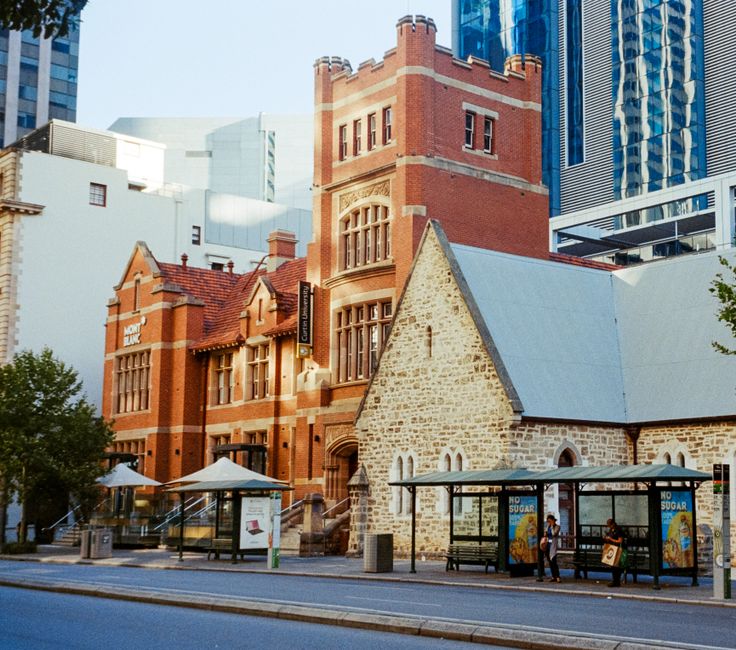
Perth's commitment to sustainability has intensified in recent years, with initiatives ranging from the Metronet rail expansion to residential solar uptake now among Australia's highest. Yet when measured against comparable cities globally—from Adelaide to Auckland, Melbourne to Singapore—Western Australia's capital reveals an uneven picture of progress and persistent gaps.
The numbers tell a complex story. Perth's per-capita greenhouse gas emissions sit at around 12 tonnes annually, higher than coastal counterparts like Brisbane but significantly lower than resource-intensive cities such as those in Canada's oil-dependent regions. The Metronet project, stretching 72 kilometres of new rail through suburbs from Yanchep to Thornlie, represents the state's most visible commitment to reducing car dependency. Yet completion delays and cost blowouts have raised questions about delivery capacity for larger sustainability goals.
Where Perth distinguishes itself is renewable energy adoption. Solar installations across suburbs from Cottesloe to Cannington have positioned WA households among Australia's leaders in rooftop capacity. The state's natural advantages—abundant sunshine and vast land suitable for utility-scale wind farms—have attracted significant investment. However, comparisons with European peers like Copenhagen and German cities reveal a critical difference: those cities embed sustainability into urban planning from the ground up, whereas Perth's initiatives often respond to pressures rather than anticipate them.
Urban water management presents another flashpoint. Perth's desalination plants and recycled water schemes in suburbs like Kwinana address scarcity pressures exacerbated by climate change. Singapore, a closer geographic parallel, integrates water security into every development decision. Perth's approach, while improving, remains more reactive—upgrading systems after demand spikes rather than designing constraint into growth forecasts.
The housing surge driven by interstate migration and AUKUS-related defence industry growth presents both opportunity and risk. New estates sprawling eastward consume land that could support carbon-absorbing green space. Yet planners point to emerging developments incorporating water-sensitive design and higher-density mixed-use precincts as evidence of lessons learned.
Dr Sarah Chen, an urban sustainability researcher, notes that Perth's competitive advantage lies in its smaller scale compared to Sydney or Melbourne. "Perth can pilot innovations faster," she observed in recent comments, "but it also risks complacency, assuming isolation from global pressure." The state government's renewable energy targets and net-zero commitments by 2050 echo promises made by Copenhagen and Vancouver—but timelines and funding mechanisms remain under scrutiny.
As Perth absorbs unprecedented growth, its sustainability trajectory will test whether the city can leapfrog the mistakes of larger rivals or merely replay them with a Western Australian accent.
This article was compiled by AI and screened before publishing. See our editorial standards.
Spread the word
About this article
Published by The Daily Perth
Stay in the loop
Daily brief
Free, in your inbox before 7am. Weekdays.
The Daily Network — local news across Australia
More local news across Australia