Perth's Housing Crisis: Decade of Migration, Defence Spending Demand Action
A decade of rapid migration, defence spending and constrained development has pushed Western Australia's capital toward a reckoning on urban planning.
2 min read
A decade of rapid migration, defence spending and constrained development has pushed Western Australia's capital toward a reckoning on urban planning.
2 min read
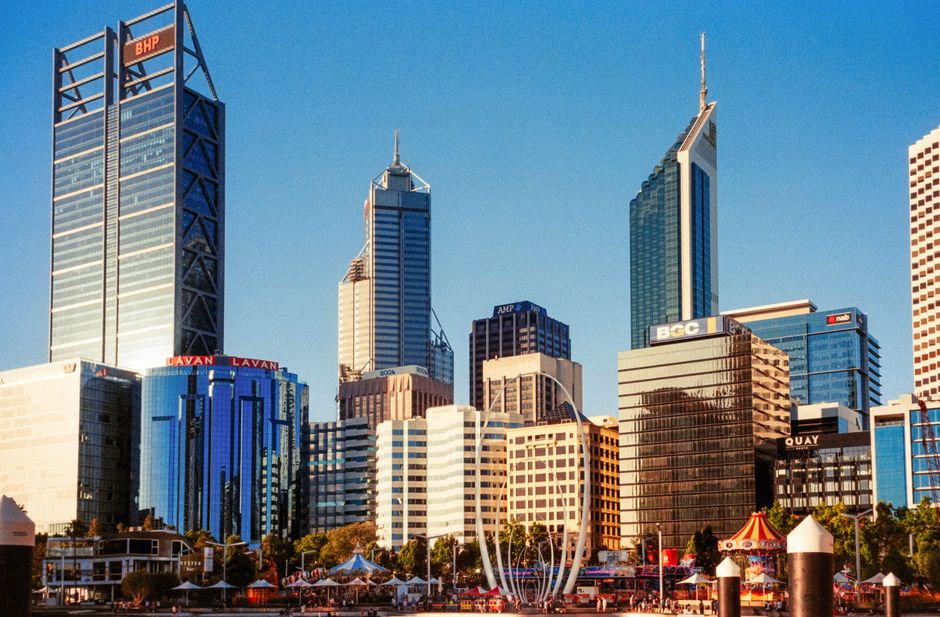
Perth's transformation from a sleepy resource town to a city straining under its own success didn't happen overnight. Understanding how we arrived at today's housing crisis—with median prices exceeding $700,000 and rental vacancy rates below 1 per cent—requires looking back at the convergent forces that shaped the past decade.
The first wave came with the Indian Ocean Strategy. When the federal government elevated Australia's focus on Indo-Pacific defence, Perth found itself suddenly central to national security planning. AUKUS commitments funnelled billions toward Stirling Naval Base and associated defence industries. Workers flooded in. Between 2016 and 2024, Western Australia's population grew by roughly 18 per cent, far outpacing housing construction. The state added approximately 150,000 residents while delivering fewer than 110,000 new dwellings.
Then came the iron ore boom's aftershocks. While commodity prices stabilised, the wealth generated by mining created a secondary wave of immigration. Skilled workers and their families sought Perth's lifestyle, schools and economic opportunities. The Indian diaspora in particular transformed suburbs like Applecross and Claremont, driving competition for limited stock.
Local planning frameworks, however, hadn't adapted. The Metropolitan Region Scheme, designed decades earlier for a smaller city, created bottlenecks. Zoning restrictions around established neighbourhoods—Cottesloe, Peppermint Grove, the hills suburbs—meant densification occurred only at the city fringe. Developers pushed further out toward Yanchep and The Lakes, extending infrastructure costs and commute times.
The WA Labor government, benefiting from substantial budget surpluses generated by resources revenue, faced a choice: either undertake major urban restructuring or continue enabling sprawl. Political calculus favoured sprawl. Greenfield development generated quick wins for developers and provided cheaper entry points for first-home buyers. Inner-ring suburbs remained politically protected.
The Metronet rail expansion, launched in 2018, was intended to address connectivity. Yet construction delays and stagey rollouts meant transport infrastructure lagged housing growth. Workers still needed cars, pushing them further from employment nodes like the CBD and Stirling.
Rental regulation remained minimal. Successive governments avoided vacancy taxes or aggressive foreign investment restrictions seen in other states. The rental market became a speculative asset class rather than a housing solution.
By 2025, the mathematics had become brutal. First-home buyers faced deposit hurdles. Renters absorbed 30-40 per cent of incomes on housing. Homelessness ticked upward despite economic strength.
This is the inheritance facing today's policymakers: a city that grew too fast for its planning systems, where sprawl became embedded in development economics, and where reversing course requires painful choices no recent government has fully confronted.
This article was compiled by AI and screened before publishing. See our editorial standards.
Spread the word
About this article
Published by The Daily Perth
Stay in the loop
Daily brief
Free, in your inbox before 7am. Weekdays.
The Daily Network — local news across Australia
More local news across Australia