Perth's Transport Revolution: The Numbers That Tell the Real Story
As Metronet nears completion and major road upgrades reshape the city, we break down the $20 billion infrastructure spend reshaping Perth's future.
2 min read
As Metronet nears completion and major road upgrades reshape the city, we break down the $20 billion infrastructure spend reshaping Perth's future.
2 min read
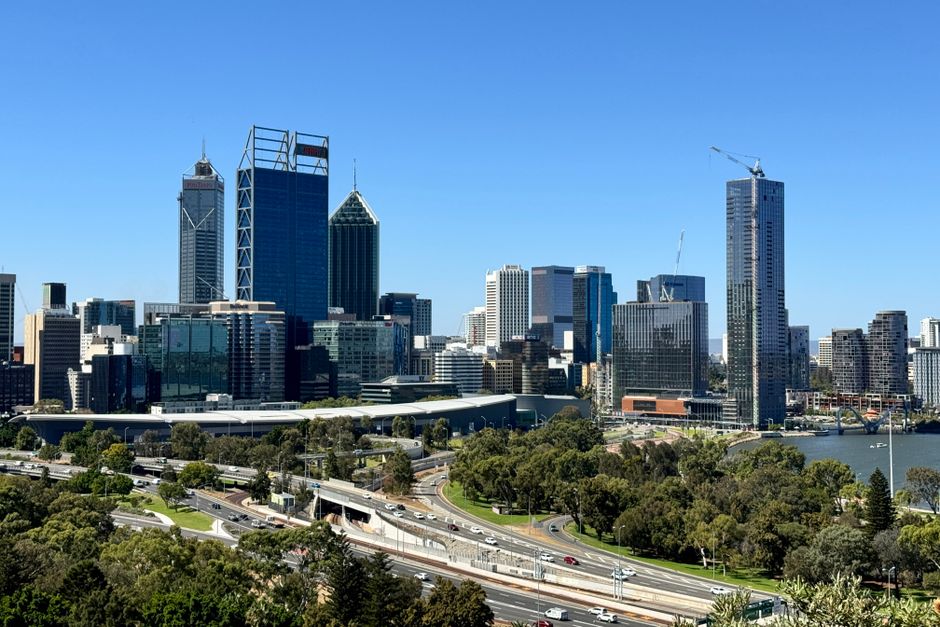
Perth's transport landscape is undergoing its most significant transformation in decades, but beyond the headline announcements lies a complex web of expenditure, timelines, and demographic pressures that reveal how the city is adapting to explosive growth.
The Metronet rail expansion represents the centrepiece of this shift. The project's three new lines—the Thornlie-Cockburn extension, the Yanchep line, and the Mandurah extension—are tracking at a combined investment of $2.4 billion, with the Thornlie-Cockburn arm alone costing $1.94 billion to deliver 15 new stations across suburbs from Cannington to Cockburn. By completion in 2028, planners project the network will serve an additional 6.6 million passenger journeys annually, though current patronage data shows ridership across existing lines remains below pre-pandemic forecasts of 140 million annual trips.
Road infrastructure spending tells a similar story of scale. The Mitchell Freeway upgrade between Hepburn Avenue and Guildford Road represents a $1.2 billion commitment, designed to ease congestion on a corridor that currently handles 130,000 vehicles daily—figures expected to climb to 165,000 by 2031. The Tonkin Highway duplication south of Great Eastern Highway carries an equally substantial $900 million price tag.
Population growth statistics underscore why this spending has become essential. Perth's metropolitan area grew by 2.3 per cent annually between 2020 and 2025, substantially higher than Australia's 1.8 per cent average. The city's population now sits at approximately 2.27 million, with projections indicating it could exceed 2.75 million by 2035. Housing demand has compressed median property prices in outer suburbs like Byford and Kwinana by 18-22 per cent from peak values, while inner-ring suburbs such as Subiaco and Nedlands have appreciated by 35-40 per cent—data patterns that infrastructure investment is attempting to address through improved connectivity.
The state government's broader infrastructure commitments total approximately $20.1 billion across the forward estimates period. Beyond Metronet and major roads, this includes $1.3 billion for the Perth Airport City precinct development, $680 million for the Belmont-Redcliffe rail precinct, and significant allocations for water security projects tied to desalination capacity expansion at Kwinana.
These numbers reflect political choices about where growth will be accommodated. The concentration of rail investment in southern corridors—targeting Thornlie, Cockburn, and Mandurah—aligns with ABS projections showing fastest growth in precisely these regions. Whether the data ultimately validates these choices will become clear within the next seven years as Metronet approaches full operation and transport planners assess whether the infrastructure successfully reduces car dependency or merely accommodates continued sprawl.
This article was compiled by AI and screened before publishing. See our editorial standards.
Spread the word
About this article
Published by The Daily Perth
Stay in the loop
Daily brief
Free, in your inbox before 7am. Weekdays.
The Daily Network — local news across Australia
More local news across Australia