Perth's Transport Crossroads: Three Critical Decisions That Will Shape the City's Next Decade
As major infrastructure projects reach pivotal stages, city planners and commuters face tough choices about buses, trains and roads.
2 min read
As major infrastructure projects reach pivotal stages, city planners and commuters face tough choices about buses, trains and roads.
2 min read
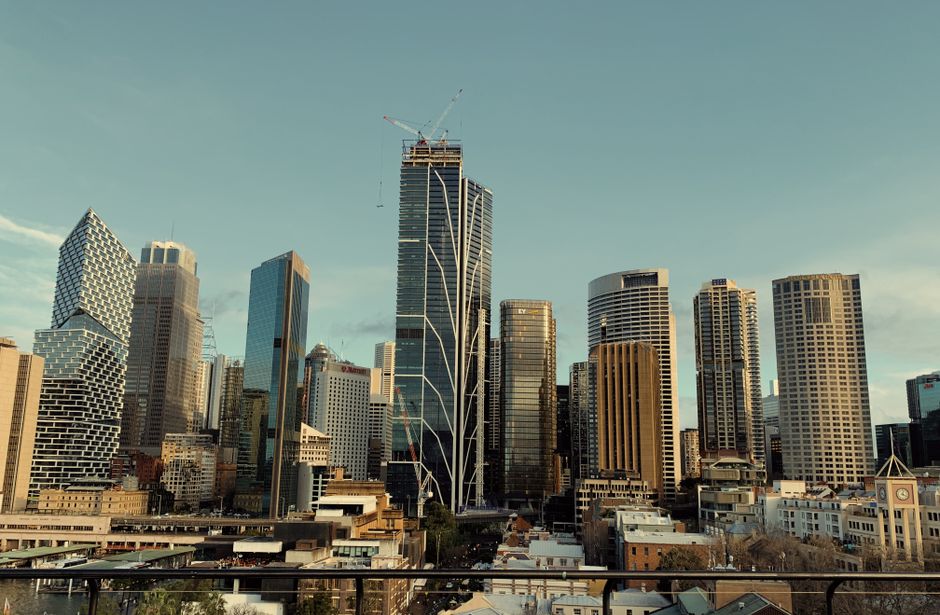
Perth stands at a critical juncture. With the Metronet rail extensions nearing completion and congestion on the Kwinana Freeway reaching record levels, the city faces three interconnected infrastructure decisions that will define transport connectivity for the next ten years.
The first challenge centres on the future of bus rapid transit corridors. Transport authorities must decide whether to prioritise dedicated bus lanes on Wellington Street and across the northern suburbs, or invest the same funds into expanding train capacity. Current projections suggest buses could move 35 per cent more commuters through the CBD by 2030 with dedicated infrastructure, but rail advocates argue that commitment now would reduce long-term operational costs. The decision looms as peak-hour delays worsen from Fremantle to Joondalup.
A second critical fork in the road concerns the proposed Airport Link extension. Planners must choose between routing the connection via the current rail corridor through East Perth—requiring demolition of several residential properties—or taking an elevated path along the Causeway, adding $280 million to the project cost but avoiding displacement. Public consultation rounds throughout Northbridge and East Perth have revealed deeply divided opinion, with community groups demanding guarantees that cannot easily be provided.
Perhaps most contentious is the parking question. The City of Perth is evaluating whether to mandate new office developments contribute to underground parking provisions, or to restrict parking supply to force modal shift toward public transport. International cities from Copenhagen to Vancouver have chosen restriction; however, local business chambers warn Perth's retail precincts in Hay Street and Murray Street cannot absorb the economic shock during an already-fragile recovery phase.
The Western Australian Local Government Association has flagged that these decisions cannot be made in isolation. Funding models, environmental assessments, and community consent processes will likely extend timelines by 18 months across all three projects. Federal and state government alignment remains uncertain, with both levels signalling infrastructure support whilst budget pressures mount elsewhere.
Transit officials expect preliminary recommendations by September, with formal announcements before the end of 2026. However, implementation timelines stretch into 2028 and beyond—meaning Perth commuters should brace for years of construction disruption regardless of which paths authorities ultimately choose.
The stakes are clear: these decisions will either position Perth as a genuinely connected global city, or cement it as car-dependent sprawl.
This article was compiled by AI from the sources linked above and screened before publishing. See our editorial standards.
Spread the word
About this article
Published by The Daily Perth
Stay in the loop
Daily brief
Free, in your inbox before 7am. Weekdays.
The Daily Network — local news across Australia
More local news across Australia