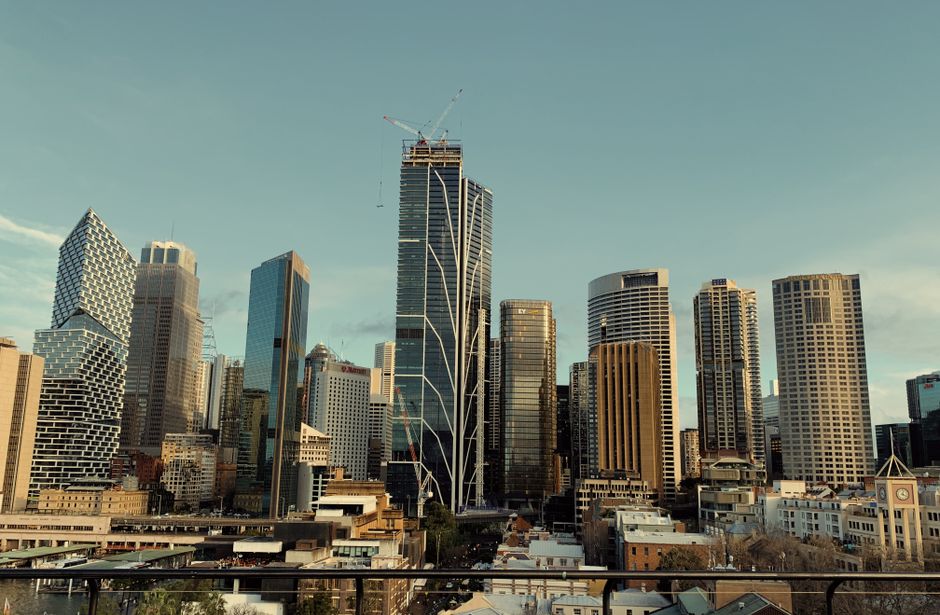
New statistics paint a complex picture of safety across Perth's precincts, with some neighbourhoods seeing significant shifts in emergency response times and incident rates.
Perth's crime landscape has shifted measurably in the first half of 2026, according to newly released data from the Western Australia Police Force and St John Ambulance Service, offering residents a granular view of public safety trends across the city's most populated areas.
The figures tell a story of concentrated pressure on emergency services. Between January and June 2026, the Perth CBD recorded 847 reported incidents—a 12 per cent increase from the same period last year. However, response times in the city centre have improved: emergency services now arrive within an average of 6.2 minutes, down from 7.1 minutes in 2025. The Northbridge precinct, long a focus for night-time economy policing, saw 234 incidents over the six-month period, with assault-related calls accounting for 31 per cent of those.
Suburban data presents a more encouraging narrative. Subiaco and Cottesloe combined recorded just 156 incidents across the same timeframe, with property crime dominating at 67 per cent of reports. Response times in these areas averaged 8.9 minutes—within service targets despite the distances involved.
Advertisement
Perhaps most telling are the figures from Victoria Park and East Perth, where incident reporting jumped 19 per cent year-on-year to 312 cases. Local emergency services attribute much of this to improved community reporting mechanisms and expanded foot patrols rather than necessarily increased criminal activity. The average incident cost to resolve—encompassing police, ambulance, and fire services—now sits at $2,847 across metropolitan Perth, up from $2,341 last year.
St John Ambulance data reveals that mental health-related call-outs comprise 18 per cent of all emergency responses across Perth, with 1,243 such incidents in the first half of 2026 alone. This represents a 7 per cent increase, prompting discussions among service providers about resource allocation and co-response protocols.
The Western Australia Police Force currently operates with 2,847 officers serving Greater Perth's population of approximately 2.1 million—translating to roughly one officer per 738 residents. That ratio has remained stable, though the force reports that administrative and training commitments consume approximately 34 per cent of available personnel capacity.
Community safety grants distributed through Perth City Council totalled $4.2 million in the first quarter of 2026, funding initiatives ranging from CCTV installations in Hay Street to youth engagement programs in Mirrabooka. Whether these investments shift the trajectory of the emerging trends remains a question for the second half of the year.
This article was compiled by AI from the sources linked above and screened before publishing. See our editorial standards.