Perth’s commute is getting a radical reboot as the city moves away from the car
Public transport patronage has hit record highs in the CBD as commuters swap suburban gridlock for light rail and cycling corridors.
2 min read
Public transport patronage has hit record highs in the CBD as commuters swap suburban gridlock for light rail and cycling corridors.
2 min read
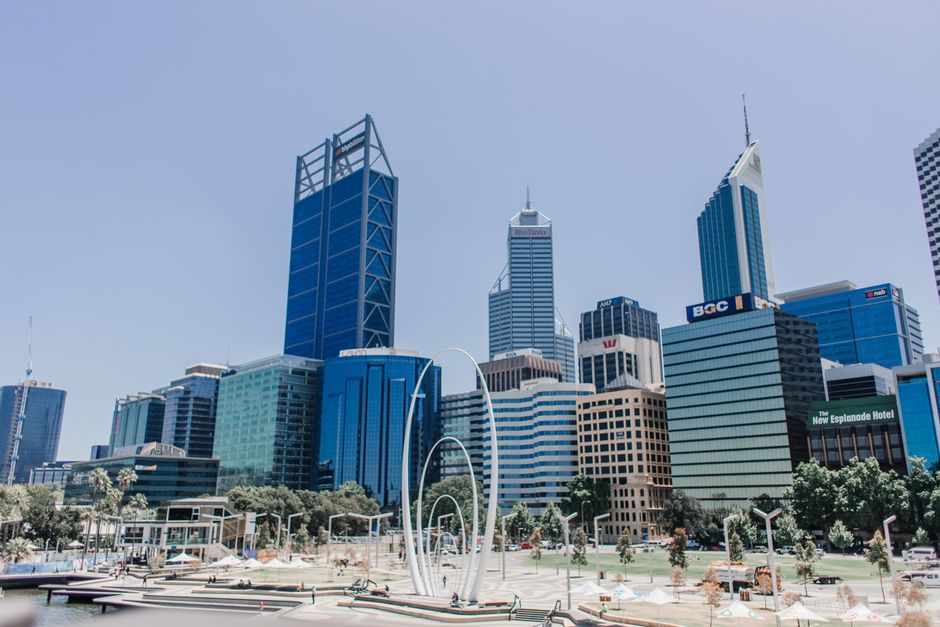
Perth’s rush hour looks different this July. For the first time since the mid-2000s, morning traffic flow on the Kwinana Freeway has dropped by 4% during peak transit windows, even as the city’s population continues to climb toward 2.4 million. Data released by the Public Transport Authority confirms a surge in commuters moving away from single-occupancy vehicles in favour of the expanded Transperth network.
The transformation is most visible along the Beaufort Street corridor. Once a notorious bottleneck for buses heading toward the Perth Busport, the strip has been repurposed with dedicated transit lanes and wider, separated cycle paths. This is part of the state government’s wider $1.2 billion 'Connect Perth' initiative, which aims to integrate heavy rail with feeder bus routes more aggressively than previous urban planning cycles. Local businesses in Mount Lawley report that the change has increased foot traffic, as commuters now stop for coffee at venues like the Mary Street Bakery instead of idling in gridlock.
East Perth is also undergoing a quiet metamorphosis. The sprawling carparks that once defined the precinct near the WACA Ground are steadily disappearing, replaced by high-density residential complexes that prioritize bike storage over basement parking bays. Developers are responding to a clear market signal: recent surveys from the Property Council of Australia suggest that 62% of new apartment buyers in the CBD rank proximity to a train station as a higher priority than access to a private parking spot.
The financial incentive is becoming impossible for the average household to ignore. According to the latest figures from the ACCC, the average cost of petrol in Perth hovered at 198.4 cents per litre yesterday. When combined with the rising costs of city parking—which now averages $32 for a standard all-day pass in the Elizabeth Quay district—a daily return commute by private car is burning a hole in the average family budget. Conversely, the Transperth fare cap, which limits daily travel to a maximum of $10.50 for a two-zone journey, provides a predictable monthly saving of over $400 for those who make the switch.
If you are planning to change your routine this winter, start by logging onto the Transperth JourneyPlanner app. The system has recently updated its real-time tracking for the Mandurah and Joondalup lines to account for the increased frequency of services during the colder, darker morning hours. For those who remain tethered to the car, the City of Perth is currently testing a new dynamic tolling system near the Barrack Street jetty; avoid the area between 7:30 a.m. and 9:00 a.m. if you want to dodge the congestion surcharge currently being trialled for non-essential traffic.
Spread the word
About this article
Published by The Daily Perth
Stay in the loop
Daily brief
Free, in your inbox before 7am. Weekdays.
The Daily Network — local news across Australia
More local news across Australia