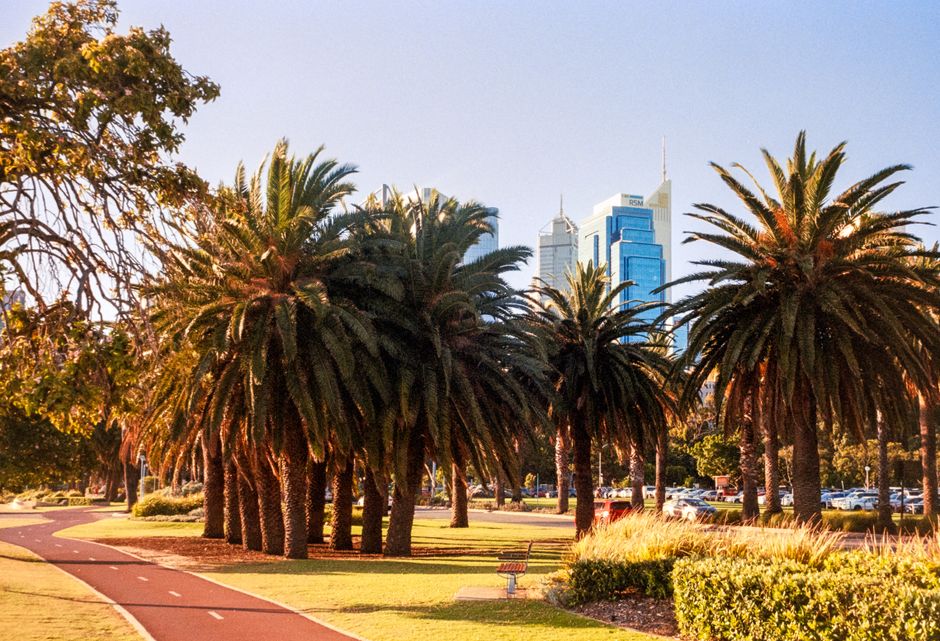
Perth's population has ticked up 2.8 percent over the past year, driven largely by visa holders and interstate migrants seeking better work-life balance or escaping tighter property markets on the east coast. But arrival and integration are two different things. Most newcomers find themselves in a disorienting gap between tourist attractions and genuine local life—and the city's geographic isolation means you can't casually weekend-trip your way to familiarity like you could in Sydney or Melbourne.
The timing matters. Property prices remain more accessible here than in other major capitals, with median house prices in inner suburbs like Subiaco hovering around $950,000 compared to nearly double that in comparable Sydney postcodes. That affordability is drawing professionals on temporary visas, young families, and people recalibrating after burnout. But Perth's famous geographic distance—4,000 kilometers from Sydney—means your social and cultural infrastructure doesn't arrive ready-made. You have to build it deliberately.
Where locals actually spend their time
Skip the Elizabeth Quay precinct if you're trying to understand how Perth residents actually live. Instead, head to South Perth's Angelo Street precinct on a Friday evening, where you'll find the Boatshed bar packed with locals rather than tourists, and an actual neighborhood vibe. Or stake out the Sunday morning farmers market at Glebe Street in East Perth—it runs 8am to 1pm most weeks and is where you'll overhear genuine conversations about schools, builders, and local drama rather than small talk about sunsets.
For serious cultural engagement, register early with the Perth Festival, which runs January to February each year and involves theatre, visual art, and music across multiple venues including the State Theatre Centre. The festival has a waiting list problem—slots fill by September the previous year. The Fringe World Festival (February to March) runs simultaneously and operates on a less formal model if you miss the early Perth Festival registration window.
Foodwise, the narrative has shifted. Ten years ago, Perth's dining scene was genuinely limited. Today, you'll find serious restaurants concentrated in Northbridge and along Hay Street in Subiaco, though expect to spend $70-$110 per person at the places worth your time. Cheaper eating happens in Chinatown and along Wellington Street in Northbridge, where a $12 lunch becomes normal rather than impossible.
The practical logistics no one mentions
Perth's public transport is workable but needs strategy. The Transperth system runs on zones, and most newcomers initially buy the wrong pass. Zone 2 covers central Perth to suburbs like Fremantle and Claremont—that's $3.90 per single journey. But if you're commuting daily from suburbs further out, buy the weekly cap at $20.80, which covers unlimited travel. Download the Transperth app immediately; paper tickets are a waste.
Car culture dominates here in ways that catch east-coast arrivals off-guard. Parking is cheap and abundant (unlike Melbourne or Sydney), so many locals drive for activities where they'd take public transport elsewhere. If you're car-free, accept that your social world compresses to walkable neighborhoods or locations on train lines.
Isolation cuts both ways. Friends and family interstate are expensive to visit (domestic flights run $150-$400 depending on booking timing), and you won't casually pop home for weekends. Plan proper visits—3-4 days minimum—rather than treating it as a casual dash. Conversely, most Perth residents treat their state and regional WA as a genuine holiday destination rather than assuming it's boring. Kings Park has 400 hectares and costs nothing to explore. Rottnest Island is a day trip ferry ride from downtown. Pinjarrah and the Peel region offer rural experiences genuinely different from eastern-state alternatives.
Start by joining at least one local organization immediately—whether that's a gym, volunteer group, or hobby-based club. The isolation that makes Perth feel quiet also means community groups genuinely notice and welcome newcomers. You'll build your actual social infrastructure through repetition and showing up, not through the casual osmosis that happens in denser cities. Give it six months before deciding whether you've found your place.