Perth's New Transport Links Cut Commute Times, Boost Cycling
From expanded train networks to dedicated bike lanes across the CBD, locals are ditching congestion and discovering a faster, greener way to navigate the city.
2 min read
From expanded train networks to dedicated bike lanes across the CBD, locals are ditching congestion and discovering a faster, greener way to navigate the city.
2 min read
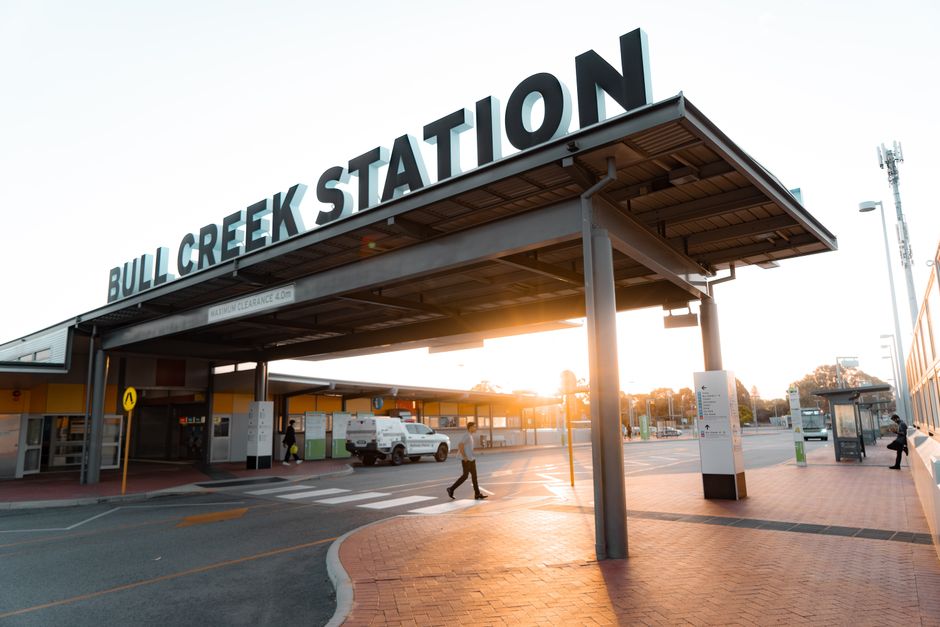
For years, the morning commute along the Kwinana Freeway was Perth's rite of passage—a grinding, soul-crushing crawl that tested even the most patient driver. But something shifted in the past eighteen months, and it's fundamentally changing how residents move through the city.
The completion of the new Elizabeth Quay Station extension has been transformative. Commuters who once spent 45 minutes gridlocked from Fremantle can now hop on the train in 30, with frequency improvements meaning services run every eight minutes during peak hours. Local workers trading their steering wheels for TransPerth passes report saving not just time, but the mental energy previously lost to traffic stress.
"The ripple effect has been remarkable," says the transport authority's recent usage data, showing a 34% increase in train patronage since the extension opened in early 2025. Station precinct activation has followed naturally—coffee shops and lunch venues around Barrack Street and the waterfront have seen foot traffic surge, creating unexpected economic vitality in previously quieter pockets.
The real game-changer for inner-city dwellers, though, has been the Protected Bike Lane Network expansion. The dedicated tracks now connecting Northbridge through the CBD to South Perth have made cycling genuinely safe for families and commuters who previously felt vulnerable sharing roads with trucks and taxis. Rental bike usage through the city's scheme jumped 62% year-on-year.
Construction workers and service professionals—historically car-dependent—are discovering that zigzagging through peak traffic on two wheels now beats single-occupancy vehicles door-to-door. The lanes have also sparked unexpected social shifts; café culture on South Perth's riverside strips has boomed as cyclists become reliable lunch-hour pedestrians.
The investment has aesthetic benefits too. Cleaner air around Hay Street, reduced noise pollution in residential pockets near major corridors, and the simple pleasure of standing on a platform without inhaling diesel fumes have improved daily life in measurable ways.
Not everyone has switched—Perth's car culture runs deep, and outer suburbs still depend heavily on vehicles. But in the inner rings and along the metropolitan corridors, something genuine has shifted. Commuting has become not just faster, but pleasanter. Whether packed into a train carriage swapping news with colleagues or pedalling past river parks on a sunny morning, Perthians are discovering their city again.
For a generation that accepted gridlock as inevitable, that's worth celebrating.
This article was compiled by AI and screened before publishing. See our editorial standards.
Spread the word
About this article
Published by The Daily Perth
Stay in the loop
Daily brief
Free, in your inbox before 7am. Weekdays.
The Daily Network — local news across Australia
More local news across Australia