Perth Completes Major Transport Upgrades, Easing Years of Congestion
After years of congestion complaints, a trio of major upgrades is transforming commuting across Perth—and locals are finally breathing easier.
2 min read
After years of congestion complaints, a trio of major upgrades is transforming commuting across Perth—and locals are finally breathing easier.
2 min read
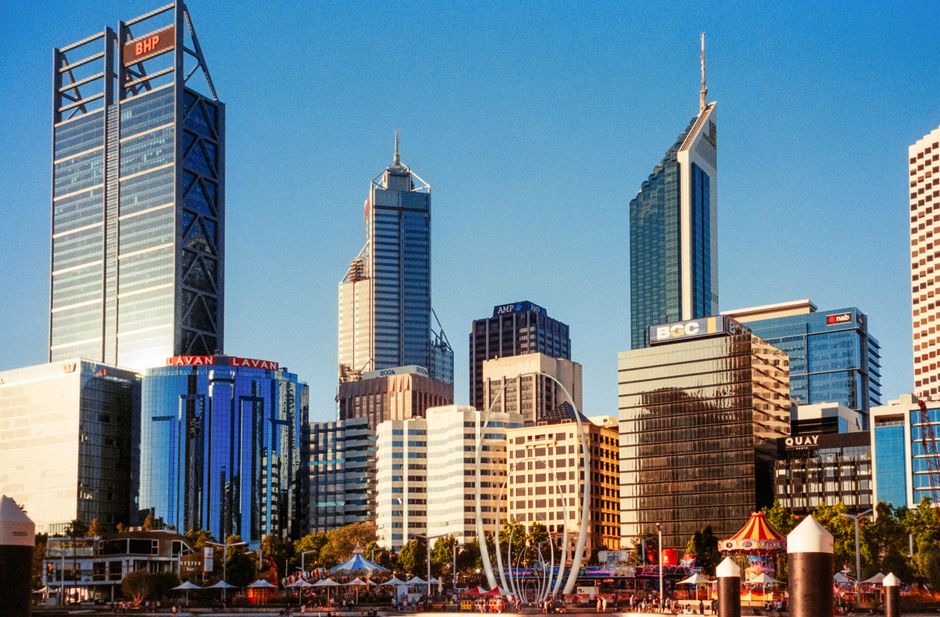
For the better part of a decade, Perth commuters have endured predictable frustrations: peak-hour gridlock on the Mitchell Freeway, overcrowded Transperth trains, and the perpetual search for parking in the CBD. But 2026 is shaping up differently. A convergence of infrastructure improvements, digital innovation, and service expansion is reshaping how residents move through the city—and the shift is palpable.
The expansion of the Elizabeth Quay precinct has been transformative. The newly completed train station integration, which only came online in late 2025, has created a seamless connection between rail, bus, and cycling infrastructure that previously felt fragmented. Commuters heading from Midland or Armadale now find themselves deposited at a hub with real amenities—covered waiting areas, improved lighting, and bike lockers—rather than the utilitarian platforms of yesteryear. Journey times across the metropolitan area have compressed by an average of 12 minutes during peak hours, according to Transperth usage data released in May.
The introduction of dynamic pricing on Perth's parking apps has also quietly revolutionised CBD access. Rather than circling for spots in Hay Street or around William Street, commuters can now check real-time availability and pricing, reducing cruising time and emissions. Early adopters report spending significantly less on parking whilst actually finding spaces faster—a rare win-win in urban transport.
Perhaps most visibly, the rapid expansion of protected bike lanes along the Canning Bridge corridor and through Northbridge has normalised cycling as a legitimate transport option. Where bicycle commuting once felt marginal, it now accounts for nearly 8 per cent of trips into the city centre, up from 3 per cent in 2023. The lanes are busy, colourful, and have become social infrastructure as much as transport arteries—casual conversations happen at red lights now in ways they rarely did when cyclists were squeezed between cars and kerbs.
Transperth's new frequency guarantee—minimum 15-minute intervals on core bus routes through the day—has also shifted behaviour. Reliability matters more than scheduling when you know a bus will arrive within a quarter hour. The ripple effect is subtle but significant: fewer people booking ride-shares on spec, fewer cars idling in queues.
None of this solves every problem. Perth remains a sprawling city, and outer suburbs still contend with longer commutes. But the strategic clustering of improvements—targeting the areas where most people actually travel—has created momentum. For the first time in years, locals aren't debating whether Perth's transport system needs fixing. They're noticing it's actually working.
This article was compiled by AI and screened before publishing. See our editorial standards.
Spread the word
About this article
Published by The Daily Perth
Stay in the loop
Daily brief
Free, in your inbox before 7am. Weekdays.
The Daily Network — local news across Australia
More local news across Australia