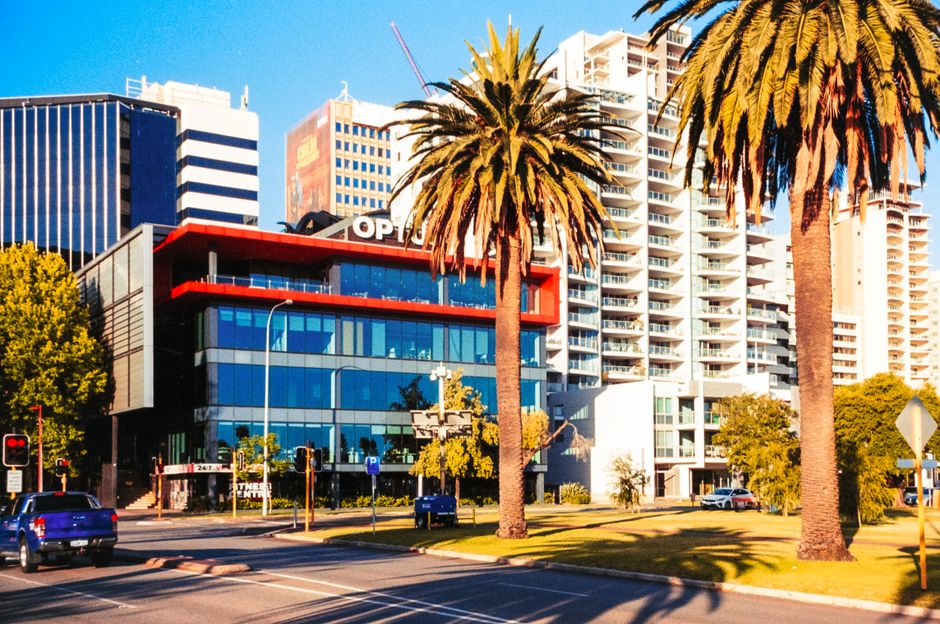
Perth's Commute Revolution: How City Centre Transport Is Being Transformed
From expanding bus networks to revamped cycling infrastructure, Greater Perth is reinventing how residents move through the city—and it's reshaping entire neighbourhoods.
Perth's transport landscape is undergoing its most significant overhaul in a decade, driven by population growth, environmental concerns, and frustration with car-dependent sprawl. The changes are particularly visible along key corridors where old commuting patterns are giving way to something markedly different.
The expansion of Perth's bus rapid transit system has become the engine of this transformation. TransPerth's latest figures show a 23 per cent increase in bus patronage since 2024, particularly on the revised routes serving Northbridge, East Perth, and the increasingly vibrant Maylands precinct. The overhaul of services along the Beaufort Street corridor has proven especially popular, with the street itself experiencing a renaissance as commuters linger longer in the neighbourhood between transport connections. Local businesses report stronger foot traffic, and several cafes have opened along what was previously considered a transit-only zone.
Cycling infrastructure represents another dramatic shift. The completion of the Canning River Path extensions and the new dedicated bike lanes along the Mitchell Freeway service road have fundamentally altered commuting patterns. Where Perth once ranked among Australia's lowest cycling cities, recent surveys suggest cycle commuting has grown by 35 per cent year-on-year. Young professionals and families in suburbs like Applecross and Mount Pleasant now see cycling as a viable primary transport option rather than a weekend leisure activity.
Advertisement
The shift has created unexpected challenges and opportunities. Parking demand in the CBD has declined noticeably—the City of Perth reports a 12 per cent drop in long-term parking revenue—while secure bike storage facilities are in such high demand that private operators have begun installing them in residential buildings as a drawcard. Meanwhile, streets like William Street are being reimagined with wider footpaths and reduced vehicular lanes.
Not everyone celebrates the changes. Some outer suburbs served by less frequent bus routes feel increasingly disconnected, while traditionalists argue Perth's identity has long been tied to car ownership. Yet planners point to broader trends: fewer young Australians are obtaining licences, remote work has altered peak-hour dynamics, and climate consciousness is reshaping lifestyle choices.
The evolution continues. TransPerth's proposed 2027-2030 blueprint includes autonomous shuttle trials in Joondalup and expanded evening services—suggesting Perth's transport story is far from written. For now, though, the city is experiencing a genuine shift in how residents move through their neighbourhoods, with consequences rippling far beyond simply getting from A to B.
This article was compiled by AI and screened before publishing. See our editorial standards.