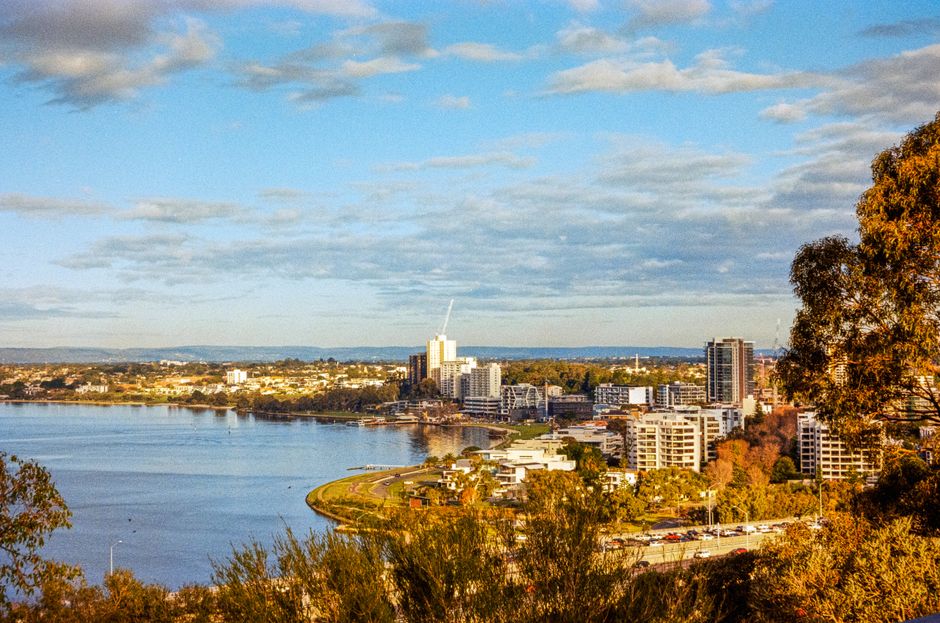
From Car Park to Community Hub: How Perth's River Commute Is Being Reimagined
As cycle paths expand and ferry services evolve, the way Perthians navigate the Swan River corridor is undergoing its most significant transformation in a decade.
Walk along the banks of the Swan River between Barrack Street and East Perth these days, and you'll notice something distinctly different from five years ago. The ribbon of asphalt that once served primarily as a scenic route for weekend cyclists has become a genuine transport artery, complete with upgraded lighting, dedicated commuter lanes, and an expanding network of stations that blur the line between transport hub and public gathering space.
The transformation reflects a broader shift in how Perth residents—particularly those working in the CBD or studying at nearby institutions—are choosing to move through the city. According to recent data from the Department of Transport, cycling commutes along the river have increased by 34 per cent since 2023, while peak-hour ferry services from Barrack Street Jetty have expanded from three to five daily departures.
"People are voting with their feet," says the perspective from urban planning circles. The redevelopment of the Esplanade foreshore, now featuring improved pedestrian connectivity and shaded rest areas, has made the journey from Claisebrook Cove to the city centre measurably more pleasant. What was once a utilitarian commute has become, for many, a valued part of their day.
Advertisement
The changes extend inland too. Along the Canning Bridge corridor and through suburbs like Mount Lawley, new micro-mobility hubs—featuring bike-share stations and e-scooter parking—have emerged as quiet disruptors of the traditional car-dependent commute. Average vehicle usage on Beaufort Street during morning peak has declined marginally, though parking remains contested.
Not everyone embraces the shift enthusiastically. Local business operators on certain stretches of St Georges Terrace have raised concerns about reduced car park availability, though city planners note that dynamic pricing and app-based systems have improved turnover. Meanwhile, older residents and those with mobility challenges continue to advocate for better accessibility on newly redesigned transport routes.
The evolution isn't complete. Plans for extending the cycle network through Northbridge and improving connections to Curtin University remain in consultation phases. And ferry services, while expanding, still operate at a fraction of their potential capacity—a testament to how embedded car culture remains in Perth's DNA.
Yet the trajectory is clear. The riverside commute of 2026 bears little resemblance to that of 2020, and by 2030, it may be unrecognisable. For those who've watched Perth struggle with congestion for decades, the quiet revolution happening along the Swan offers something increasingly rare: genuine choice in how to move through the city.
This article was compiled by AI from the sources linked above and screened before publishing. See our editorial standards.