The Real Perth Revealed: How Your Commute Shapes the City's Hidden Character
From the morning crush on the Transperth network to laneway coffee stops, getting around Perth tells the story of who we really are.
2 min read
From the morning crush on the Transperth network to laneway coffee stops, getting around Perth tells the story of who we really are.
2 min read
There's a particular kind of Monday morning energy on the Joondalup Line platform at Central Station. Commuters shuffle between the digital departure boards, earbuds in, but there's also an unspoken choreography—the regular nods between neighbours, the businessman who always holds the door, the student who sketches in her notebook during the seven-minute haul north. This is Perth's true character, visible only to those who move through it daily.
Transport in our city isn't just infrastructure. It's where communities actually form, away from curated social media and into the messy, genuine texture of urban life. The Transperth network moves roughly 90 million passengers annually, according to the authority's latest figures, and within those journeys lies an untold ethnography of neighbourhood identity.
Consider Northbridge on a Wednesday evening. The platforms at Northbridge Station empty and refill like lungs—office workers heading toward the restaurants along Lake Street, university students spilling toward the venues on William Street, artists and creatives gravitating toward Beaufort Street's eclectic independent galleries and bars. The neighbourhood's character isn't defined by any single demographic; it's the collision of all these commuting patterns creating something genuinely multicultural and alive.
Or take the less glamorous route: Cannington to the CBD via the Armadale Line. This 40-minute journey passes through some of Perth's most economically diverse suburbs. Real conversations happen here. You'll hear Mandarin, Dari, Hindi, and English spoken in quick succession. There's a reason local community organisations like Settlement Services International focus their neighbourhood programs around transport hubs—these are where people actually congregate, where isolation gets broken.
The rise of e-scooter lanes on St Georges Terrace and along the Canning River paths has reshaped how younger professionals interact with their commute. They're not just moving between points A and B; they're reclaiming transport as leisure, stopping at the riverside cafés that have sprouted around Riverside, creating new informal gathering spaces.
Even parking behaviours reveal neighbourhood character. The Claremont precinct's street parking culture supports its village-like shopping strips. Meanwhile, Subiaco's evolution into a higher-density residential zone is mirrored in increased public transport usage—nearly 18% higher than five years ago, locals and planners note.
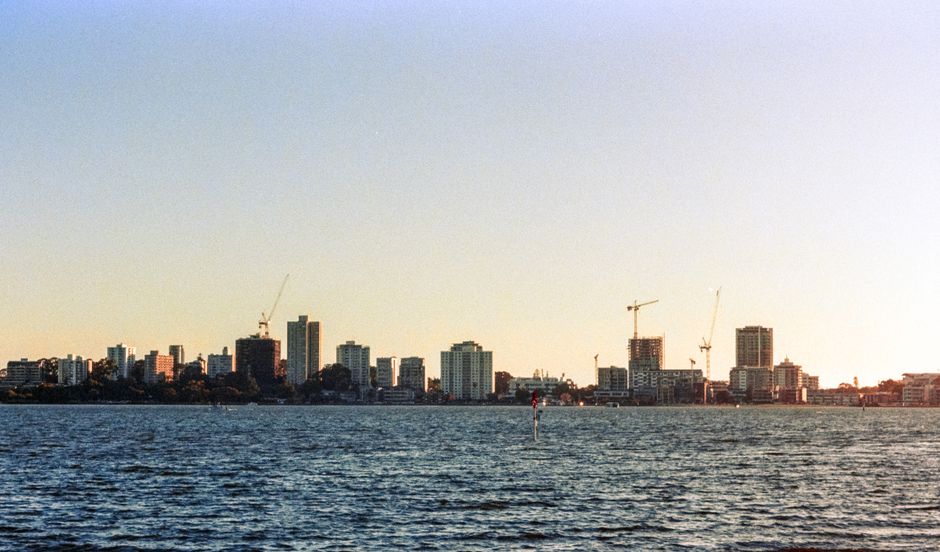
Perth's reputation as sprawling and car-dependent obscures a richer reality: we're a city being rewritten by how people move through it. The real Perth isn't in the skyline. It's on platform 3 at Midland Station at 7:42am, in the conversations happening on bus 102, and in the countless small decisions about how to get home that collectively define who we are.
This article was compiled by AI from the sources linked above and screened before publishing. See our editorial standards.
Spread the word
About this article
Published by The Daily Perth
Stay in the loop
Daily brief
Free, in your inbox before 7am. Weekdays.
The Daily Network — local news across Australia
More local news across Australia