Why Perth Parents Are Raising Kids Differently Than the Rest of the World
From outdoor-first schooling to beachside flexibility, Perth's unique geography and culture are reshaping how families approach childhood.
2 min read
From outdoor-first schooling to beachside flexibility, Perth's unique geography and culture are reshaping how families approach childhood.
2 min read
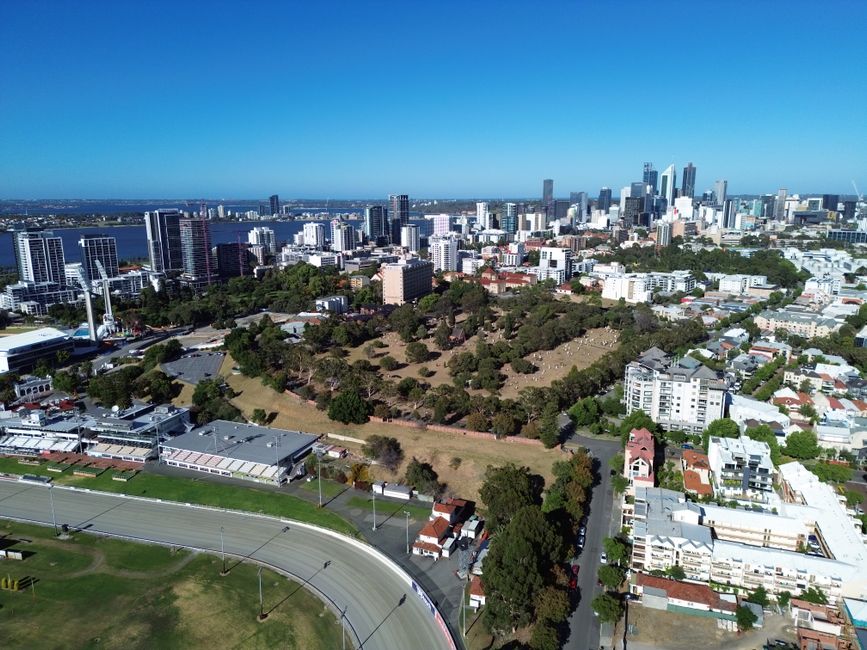
Walk through Kings Park on a Tuesday morning and you'll spot something increasingly rare in global cities: entire school groups conducting lessons outdoors, their teachers perched on sandstone outcrops while students sketch native wildflowers or measure tree canopies. This isn't an occasional excursion. For many Perth families, outdoor learning isn't supplementary—it's foundational.
Perth's approach to parenting and education stands apart, shaped by 365 days of reliable sunshine, vast natural spaces, and a cultural ethos that prioritises outdoor living. Unlike densely packed cities where playgrounds are rationed and nature feels like a luxury, Perth families operate in a fundamentally different environment. The Swan River stretches through the city's heart. Beaches are genuinely accessible. Space exists.
This geographic advantage has quietly revolutionised how schools operate here. While international peers grapple with screen time concerns and limited green space, Perth educators increasingly embed nature-based learning into curriculum design. Schools across suburbs from Subiaco to Cottesloe have expanded outdoor classrooms, with some institutions now allocating 40 per cent of weekly teaching time to outdoor spaces.
The practical implications ripple through family life. Childcare costs in Perth average around $120-140 per day—comparable to other Australian capitals but significantly lower than London, Singapore, or Toronto. More crucially, the prevalence of after-school beach culture and outdoor community spaces means families aren't forced into expensive structured activities. A Saturday at Scarborough Beach, a Wednesday evening at Bold Park, or a weekend exploring the bushland near Mundaring Weir provides the recreation that costs parents elsewhere considerable money.
Yet Perth's uniqueness extends beyond natural advantages. The city's relative isolation has fostered tight-knit school communities. Parent involvement in P&C associations remains robust—voluntary participation rates consistently exceed 60 per cent, notably higher than larger metropolises. The absence of a dense commuter culture means more parents collect children directly, strengthening school-family connections.
This doesn't mean Perth parenting is problem-free. Geographic isolation creates challenges around educational inequality—families in outer suburbs face longer commutes to specialised programs. However, the fundamental lived experience of childhood here differs markedly from congested cities where outdoor time requires planning and expense.
As global parenting cultures increasingly emphasise nature connection and unstructured play, Perth families already inhabit this world. Their children splash in natural waterways, climb actual trees, and develop outdoor competence as routine experience. In an era of rising anxiety about childhood development worldwide, Perth's abundant space and outdoor-first culture offer an inadvertent advantage that's difficult to replicate elsewhere.
This article was compiled by AI from the sources linked above and screened before publishing. See our editorial standards.
Spread the word
About this article
Published by The Daily Perth
Stay in the loop
Daily brief
Free, in your inbox before 7am. Weekdays.
The Daily Network — local news across Australia
More local news across Australia