Perth's Markets Are Reinventing Themselves—and Local Shoppers Are Following
From Subiaco to the city centre, Perth's traditional markets are embracing digital integration and sustainable retail to compete with online shopping.
2 min read
From Subiaco to the city centre, Perth's traditional markets are embracing digital integration and sustainable retail to compete with online shopping.
2 min read
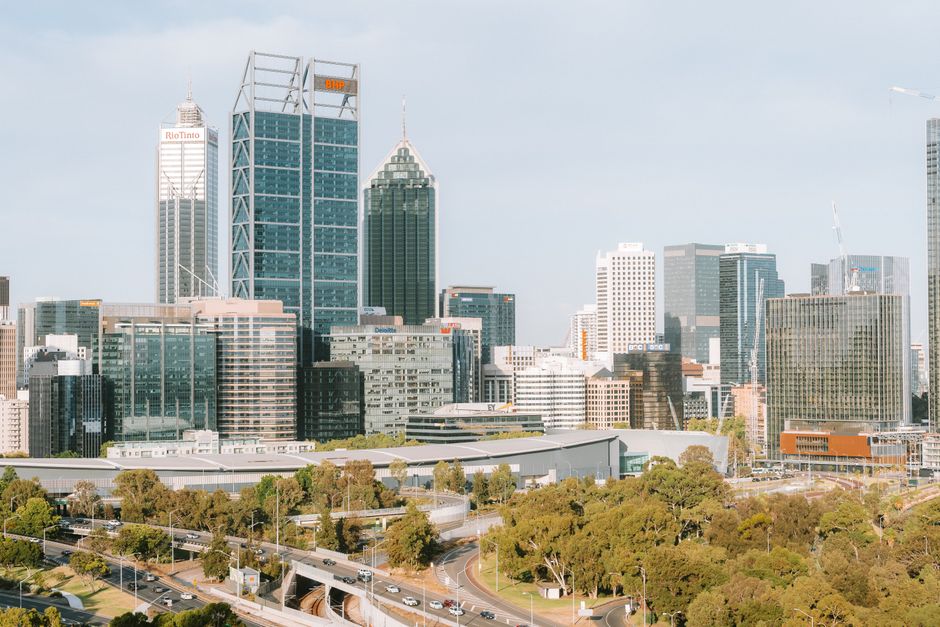
Perth's market culture is undergoing a quiet but significant transformation. Once considered a nostalgic weekend activity, the city's neighbourhood markets are modernising their approach to retail, blending old-school charm with contemporary consumer expectations in ways that are breathing new life into local shopping habits.
The evolution is most visible at South Perth Markets, which has seen footfall increase by an estimated 23 per cent since introducing a digital vendor directory and pre-ordering system last year. Stallholders report that the shift toward transparency—letting customers know exactly what's available before they arrive on Sunday mornings—has attracted younger demographics who previously viewed markets as inefficient compared to online alternatives. The market's expansion into the adjacent carpark, now featuring a rotating roster of independent fashion vendors and sustainability-focused businesses, signals a deliberate repositioning away from purely functional shopping toward lifestyle destination status.
Meanwhile, along Hay Street in the CBD, the Perth Farmers Market has extended its operating hours to include Friday evenings, capitalising on post-work shopping behaviour. Local produce sellers report stronger sales for premium items—organic vegetables and artisanal goods now comprise roughly 40 per cent of transaction value, up from 28 per cent in 2023. This shift reflects a broader Perth trend: shoppers willing to pay a premium for provenance and sustainability.
Subiaco's traditional retail corridor is also experiencing market-driven renewal. Several independent retailers on Rokeby Road have adopted a hybrid model, operating physical storefronts while maintaining Instagram-based pre-order systems for regular customers. The strategy reduces overstock while building community engagement—a necessity as major shopping centres remain oversupplied across the metro area.
However, challenges persist. Rental pressures and council regulations continue to constrain smaller market operators, and online grocery delivery services remain formidable competition for convenience-focused shoppers. Yet Perth's market renaissance appears resilient because it addresses something algorithms cannot: human connection and curated discovery.
The data suggests Perth consumers—particularly those aged 25-45—are actively seeking alternatives to algorithmic retail. Markets offer tangible product inspection, real conversations with producers, and the social dimension of shared public space. As the city's retail landscape fragments across digital and physical channels, markets have found their niche not as relics of past shopping habits, but as anchors for community-driven commerce.
The real evolution isn't about markets returning to their former glory. It's about them becoming relevant for contemporary Perth life.
This article was compiled by AI from the sources linked above and screened before publishing. See our editorial standards.
Spread the word
About this article
Published by The Daily Perth
Stay in the loop
Daily brief
Free, in your inbox before 7am. Weekdays.
The Daily Network — local news across Australia
More local news across Australia