Perth's Markets Beat Global Rivals: Why This City's Retail Scene Stands Apart
From Northbridge's eclectic laneways to Kings Park precinct finds, Perth offers a shopping experience that blends local character with global sophistication in ways other major cities simply can't replicate.
Walk through any major global shopping district—London's Oxford Street, New York's Fifth Avenue, Sydney's Pitt Street Mall—and you'll encounter the same multinational chains, the same predictable experience. But Perth's retail landscape tells a different story entirely, one where independent traders, local designers, and heritage markets thrive alongside contemporary commerce.
The transformation of Northbridge over the past decade exemplifies what sets Perth apart. While gentrification has homogenised retail precincts elsewhere, this neighbourhood has maintained its rebellious edge. Independent boutiques line James Street and Lake Street, where everything from vintage vinyl to bespoke jewellery shares frontage with family-run cafés. A 2024 Perth City Council report noted that independent retailers comprise 62 per cent of Northbridge's business mix—compared to just 34 per cent in comparable Australian CBD precincts.
Then there's Perth's crown jewel: the Fremantle Markets. Operating since 1897 in the historic port precinct, this 6,000-square-metre institution remains fundamentally unchanged in spirit, even as it evolves. Unlike sanitised heritage markets in other cities that prioritise tourism over authenticity, Fremantle's weekend crowds include genuine locals hunting produce, artisan goods, and treasures. The demographic diversity of vendors—reflecting Perth's growing multicultural makeup—means you'll find West African textiles, South Asian spices, and Eastern European delicacies impossible to source in most global cities.
Advertisement
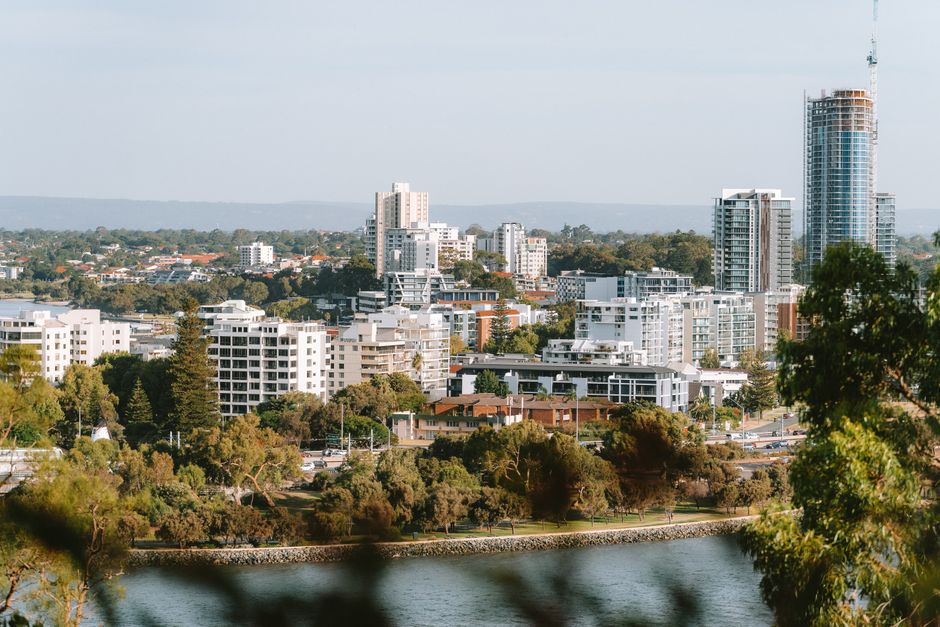
The proximity of Perth's retail experiences to nature creates another distinguishing factor. Kings Park's precinct shops and the South Perth riverside markets blend shopping with landscape in ways that feel intrinsically Perthian. Weekend markets at Subiaco and Como operate within walking distance of green spaces, something rarely integrated into major international shopping destinations.
Price points matter too. While Perth's isolation once meant premium import costs, the last five years have shifted this dynamic. Independent fashion retailers on Oxford Street and in the Perth CBD now price competitively with Melbourne and Sydney, yet stock exclusively local designers. The West Australian fashion community punches far above its weight globally, with designers regularly showing at international fashion weeks.
What truly separates Perth is the absence of the shopping mall monoculture that dominates other cities. While Westfield and Karrinyup exist, they complement rather than dominate retail culture. Street-level markets, laneways, and neighbourhood shopping strips remain economically viable and culturally significant—a rarity in 2026's retail environment.
Perth's retail identity reflects the city itself: geographically removed, fiercely independent, and increasingly confident in its own distinctive character. That's something no global shopping destination can manufacture.
This article was compiled by AI from the sources linked above and screened before publishing. See our editorial standards.