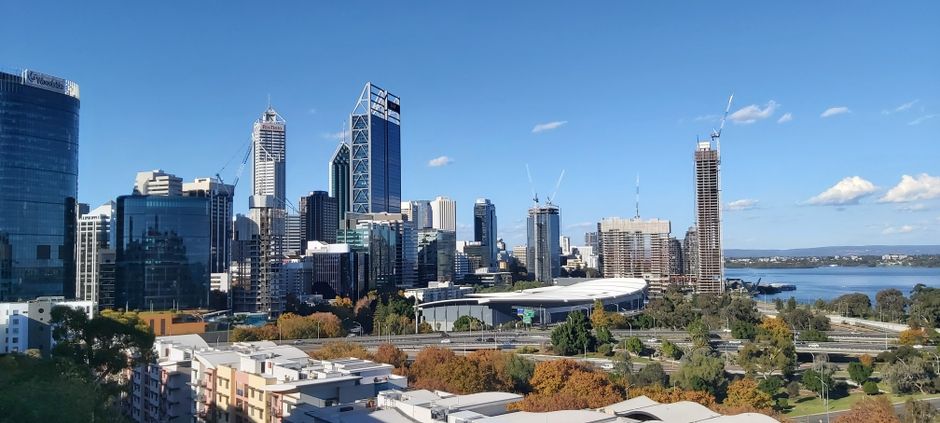
Walk through Kings Park on a weekday afternoon and you'll notice something that wasn't as visible two years ago: parents lingering longer, children moving between multiple activity spaces, and a palpable sense that family life in Perth has fundamentally shifted.
The transformation isn't accidental. Since 2024, Perth's school system has undergone significant changes that have reshaped how families navigate education and childhood. Several independent and public schools across the city—from Subiaco to Applecross—have introduced hybrid learning models that allow working parents greater flexibility. Many institutions now offer extended care hours until 6 p.m., addressing a persistent pain point that had driven some families to consider relocation.
"What's changed is the recognition that one-size-fits-all schooling doesn't work anymore," says one prominent education consultant observing Perth's landscape. The introduction of specialised learning pathways—particularly in STEM, creative arts, and wellbeing-focused programs—has given parents genuine choices rather than geographic defaults.
The infrastructure backing this shift is equally notable. Playgrounds across the inner suburbs have been reimagined with age-appropriate zones, sensory play equipment, and shaded rest areas for caregivers. The newly expanded facilities at Challenge Stadium in Subiaco now include dedicated family swim times and parent-child exercise classes, while the Perth Cultural Centre precinct has become a weekend hub where school-aged children can access subsidised arts workshops.
Financially, the picture is more complex. While school fees at selective institutions have remained steep—averaging $15,000-$22,000 annually—scholarship programs have expanded. Public schools in suburbs like Cottesloe and Nedlands now report waiting lists, a reversal from previous years, suggesting families are reassessing value propositions.
Perhaps most significantly, mental health support has become genuinely integrated rather than peripheral. Most schools now employ dedicated wellbeing coordinators, and outdoor learning spaces—critical for childhood development—are no longer treated as nice-to-haves.
For families with young children, this moment feels less stressful than it did in 2023. Parents report spending less energy on school selection anxiety and more on actually enjoying their children's formative years. Whether that's Friday evening gatherings in South Perth, weekend explorations of the Swan River foreshore, or simply the knowledge that their child's school understands modern family dynamics—the change is palpable.
Perth's parenting culture has matured. The city has finally caught up to what its families actually need.
This article was compiled by AI from the sources linked above and screened before publishing. See our editorial standards.