Your Essential Guide to Making the Most of Perth's Parks and Green Spaces
From riverside walks to hidden pocket gardens, here's how to unlock the outdoor living that makes our city special.
2 min read
From riverside walks to hidden pocket gardens, here's how to unlock the outdoor living that makes our city special.
2 min read
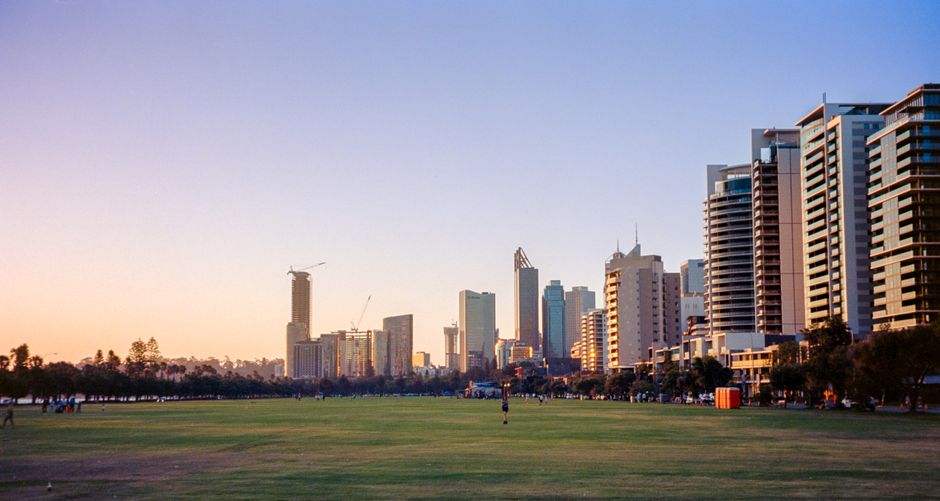
Perth residents are sitting on one of Australia's greatest outdoor lifestyle advantages: a city genuinely designed around green space. Yet many of us cycle through the same familiar routes or miss entire pockets of parkland altogether. If you're ready to explore beyond your local oval, here's a practical roadmap to discovering what's actually out there.
Start with the obvious but often underexploited: the Swan River foreshore. The Canning Bridge to Mends Street stretch offers 8 kilometres of maintained paths, popular with joggers and families, but venture further upstream towards the Claisebrook Reserve and you'll find quieter riverside picnic spots with better river views and fewer crowds. Budget two hours for a leisurely exploration; bring a café coffee rather than relying on limited onsite amenities.
Kings Park remains Perth's heavyweight, and deservedly so. The 395 hectares genuinely reward slow discovery. Most visitors stick to the main avenues and lookout points, but the native garden sections near the War Memorial offer peaceful wandering, and entry costs nothing. Download the free Kings Park app to navigate lesser-known sections—the Botanic Garden loop takes roughly 90 minutes at a gentle pace.
For something genuinely different, the Supreme Court Gardens on St Georges Terrace presents a hidden gem in the CBD itself. Tucked between heritage buildings, this Victorian-era space rarely feels crowded and offers excellent lunchtime refuge for city workers seeking greenery without the drive.
Neighbourhood parks deserve attention too. In Subiaco, the Rokeby Road Reserve offers excellent undercover picnic areas and playground facilities. Northbridge's Hyde Park, recently upgraded, now features improved lighting and seating—genuinely pleasant for evening strolls. Many local parks operate on volunteer-managed community garden programs; Perth Parks and Wildlife Foundation manages several around the metro area if you're interested in volunteering or participating.
Practical considerations: Perth summers hit hard. Morning or late-afternoon visits (before 5pm or after 7pm November through March) genuinely feel different from midday experiences. Carry water—most parks now have refill stations, but don't assume it. Parking varies wildly; Kings Park offers 3,500 spaces (free), while smaller reserves rely on street parking.
The best approach? Pick one new park monthly rather than overdoing it. Spend two hours, note what's there, then return when conditions suit better. That's how Perth residents actually build lasting outdoor habits rather than ambitious plans that fizzle after two visits.
This article was compiled by AI from the sources linked above and screened before publishing. See our editorial standards.
Spread the word
About this article
Published by The Daily Perth
Stay in the loop
Daily brief
Free, in your inbox before 7am. Weekdays.
The Daily Network — local news across Australia
More local news across Australia