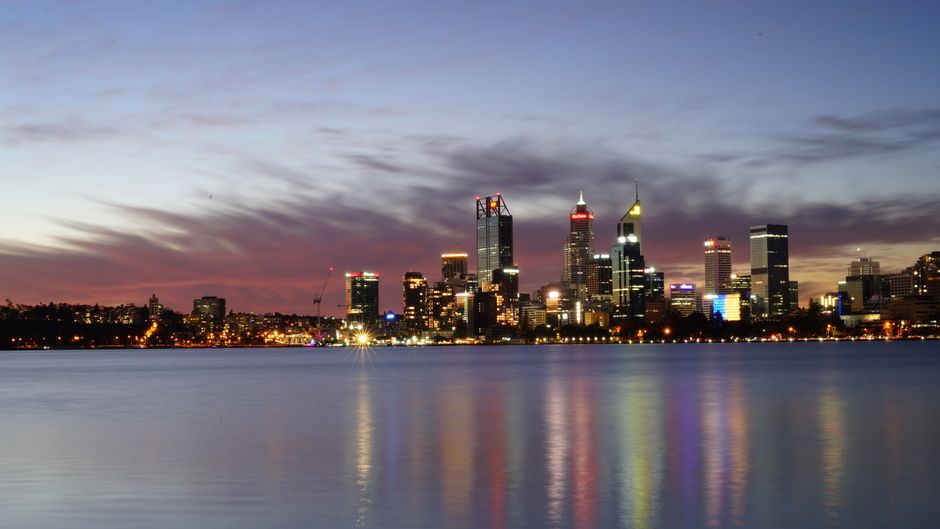
Walk into Central Station on a Monday morning and you'll notice something that visitors from Sydney, Melbourne, or London often comment on: people aren't stressed. The platforms are uncrowded, trains arrive on schedule, and there's actual space to breathe. This isn't accident—it's the result of deliberate choices that have made Perth's transport network distinctly different from global counterparts.
While cities like Singapore and Tokyo dominate transport rankings, Perth has engineered something rarer: a system that's efficient without feeling dystopian. The Transperth network moves around 75 million passengers annually across trains, buses, and ferries—a figure that seems modest until you realise it's achieved with minimal congestion and consistently high customer satisfaction ratings.
The Swan River ferries remain Perth's greatest transport signature. Where other cities demolished their waterway infrastructure decades ago, Perth doubled down. The ferries between Perth, Fremantle, and South Perth aren't just functional—they're the fastest way across town and cheaper than parallel road routes. Compare this to London, where the Thames riverboat system remains a tourist novelty, or Sydney, where the Harbour ferries struggle with ageing infrastructure and unreliable scheduling.
Advertisement
The integrated Smartrider card system, which unified payment across trains, buses, and ferries in 2006, was ahead of its curve. Today's global cities are still catching up to what Perth commuters take for granted. A single card—or phone payment—works seamlessly across all modes. The $2.90 peak-hour fare from Midland to Perth is genuinely affordable when compared to Melbourne's $4.80 or London's £3.40 equivalent.
But Perth's real advantage lies in its suburban design. The network radiates from the city centre in logical spokes toward Midland, Fremantle, Joondalup, and Mandurah. This geometry means fewer transfers and more direct routes than sprawling competitors. A commuter heading from Innaloo to the CBD takes one train. Try the equivalent journey in Toronto or Brisbane—you're looking at multiple changes.
The city's relative compactness—genuinely isolated geographically, with ocean on one side and bushland on the other—forced planners to be intentional. There's no suburban sprawl melting into adjacent cities. Perth had to work with what it had, and that constraint became advantage.
None of this is perfect. Peak-hour crowding on the Joondalup line rivals anywhere else. But Perth's transport system succeeds where global rivals often fail: it moves people efficiently while remaining almost invisible in its operation. You notice when it works. That's already ahead of the game.
This article was compiled by AI from the sources linked above and screened before publishing. See our editorial standards.