Why Perth's Neighbourhood Culture Stands Apart in the Global City Rankings
From Northbridge's creative renaissance to South Perth's riverside living, this city has cracked a code that larger metropolises struggle with: intimate community in a world-class setting.
Walk down William Street in Northbridge on a Friday evening and you'll witness something increasingly rare in major global cities: strangers becoming neighbours. Not through forced corporate team-building exercises, but organically, through vibrant street culture that feels genuinely lived-in rather than performatively curated.
Perth's neighbourhood advantage lies in a paradox that confounds urban planners elsewhere. Despite being a genuine global city—with Fortune 500 companies headquartered in the CBD, international airports handling millions annually, and waterfront precincts rivalling Sydney's—it has maintained what sociologists call "village-scale intimacy." Each neighbourhood retains distinct character rather than homogenising into generic urban sprawl.
Take South Perth. Yes, property values have climbed significantly—median house prices now exceed $1.2 million—yet the tree-lined streets around Mill Point Road remain genuinely walkable, with residents able to name shopkeepers and frequent the same cafés for years. Compare this to Melbourne's inner suburbs, where gentrification has erased institutional memory, or London's Chelsea, where locals have been entirely priced out.
Advertisement
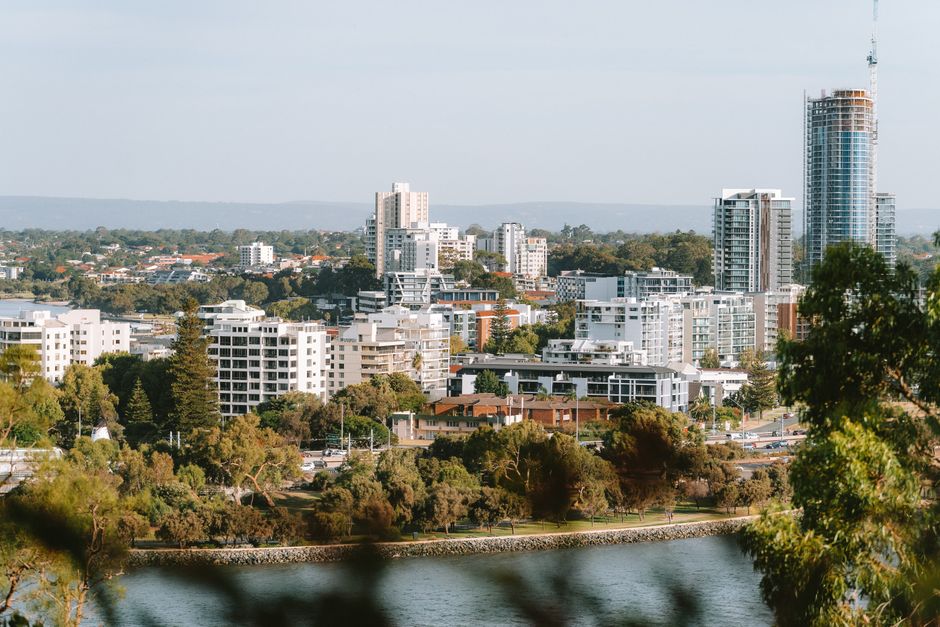
The Swan River itself—something no other global city quite replicates—creates natural neighbourhood boundaries that encourage community identity. Subiaco residents fiercely protect their precinct's character. Fremantle's tight-knit creative community has resisted becoming a theme park version of itself, despite tourism pressures that have transformed similar port cities elsewhere.
Critically, Perth's geography forced authentic community-building before social media promised to do it virtually. The city's isolation—nearest major Australian city is 4,000 kilometres away—meant neighbourhoods developed their own institutions rather than importing them. That legacy persists. East Perth's regeneration hasn't destroyed the old Boilermakers Hall; it's been thoughtfully integrated. Local organisations like the Northbridge Residents Association still wield genuine influence over planning decisions.
Housing diversity matters here too. Unlike Vancouver or Sydney, where inner-suburb living increasingly means apartments in developer-homogenised towers, Perth's mid-range suburbs still offer genuine detached homes at accessible prices. This economic diversity—essential for actual community—remains feasible.
The result? Across suburbs from Cottesloe to Victoria Park, people genuinely know their street names, shop locally by choice rather than necessity, and maintain what researchers call "third places"—those vital community spaces beyond home and work. A rarity in cities of Perth's scale.
In an era when every global city increasingly looks identical, Perth's neighbourhood culture offers something increasingly valuable: authenticity that hasn't been packaged, priced at premium rates, and sold back to residents as "lifestyle."
This article was compiled by AI from the sources linked above and screened before publishing. See our editorial standards.