Perth's Reinvention Complete: Why Even Longtime Locals Can't Stop Raving About Moving Here Right Now
The city's transformation over the past 18 months has created a sweet spot for expat newcomers—better transport, booming culture, and a cost of living that's finally competitive again.
If you're considering a move to Perth in 2026, you're arriving at precisely the right moment. The city locals spent years defending is finally getting the recognition—and infrastructure—it deserves, making it an unexpectedly compelling proposition for international relocators tired of overcrowded, expensive alternatives.
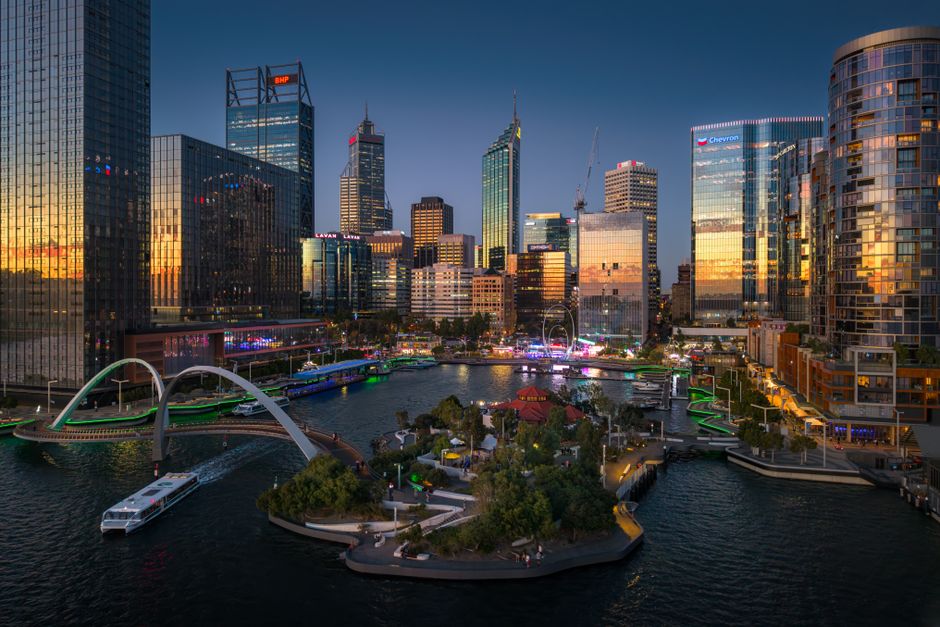
The most visible change? The completion of the Elizabeth Quay precinct's second phase this spring fundamentally altered how residents interact with the foreshore. The new riverside walkway connecting the Bell Tower to the revamped cultural quarter on Riverside Drive has become the city's social backbone. What was once a fairly functional but uninspiring waterfront is now genuinely beautiful, with native plantings, outdoor dining venues, and proper cultural programming that rivals Melbourne's Southbank.
But it's not just aesthetics. Transport connectivity shifted dramatically with the Perth Metro expansion reaching into Thornlie and Midland. For expats accustomed to Sydney or Melbourne's public transport networks, Perth was historically frustrating. Now, the network is genuinely usable for daily life. Rental prices in inner suburbs like Northbridge and Mount Lawley have stabilized after years of climbing—a two-bedroom apartment now averages $2,100–$2,400 monthly, a figure that seems almost reasonable compared to eastern capitals.
Advertisement
The cultural momentum is undeniable. Northbridge has undergone quiet gentrification that's actually felt organic rather than imposed. James Street is unrecognizable from five years ago—independent galleries, specialty coffee roasters, and genuinely interesting restaurants now cluster alongside established venues like the Blue Room Theatre. The Perth Institute of Contemporary Arts expanded its programming significantly, attracting touring exhibitions that previously bypassed the city entirely.
Food and beverage has evolved beyond the predictable. Subiaco's once-struggling retail strip found new life through a deliberate push toward independent operators. Meanwhile, Fremantle's arts scene—always strong—finally intersected with proper hospitality infrastructure, making it a destination for weekends rather than just historical tourism.
For expat families, the school landscape improved notably. Private institutions expanded international programs, while government schools in suburbs like Cottesloe and City Beach continue outperforming national averages. The cost differential versus Sydney or Brisbane schools is substantial.
What locals will tell you, unprompted, is that Perth feels different now—less isolated, more intentional about its future. It's no longer a city you choose by default or accident. It's becoming one people actively want to be in. For newcomers willing to embrace that momentum, the timing couldn't be better.
This article was compiled by AI from the sources linked above and screened before publishing. See our editorial standards.