Inner West Melbourne’s Collingwood Neighbourhood Reinvents Itself Amid Rising Urban Green Initiatives
A close look at how Collingwood’s mix of heritage and innovation is shaping its future with new green spaces and community programs.
3 min read
A close look at how Collingwood’s mix of heritage and innovation is shaping its future with new green spaces and community programs.
3 min read
Listen to this article · 3:45
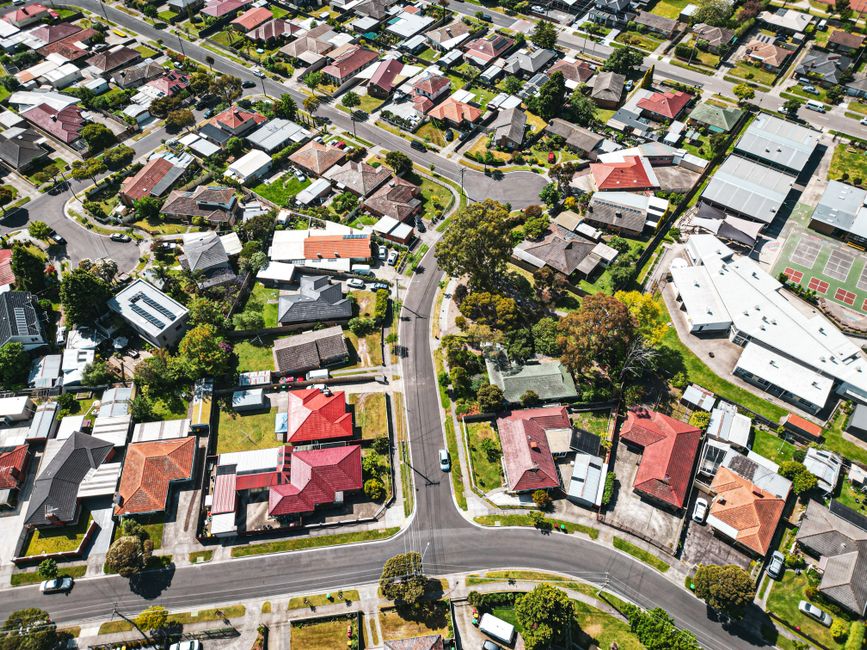
Collingwood, a once predominantly industrial area just 3 kilometres from Melbourne’s central business district, is rapidly evolving into a vibrant neighbourhood defined by its commitment to sustainability and community-led green projects. The transformation is particularly evident along Hoddle Street and through the redevelopment of the historic Collingwood Yards.
Over the last five years, Collingwood has shifted from its manufacturing roots to embrace urban renewal that integrates green spaces and sustainable living. This rise in ecological awareness aligns with growing concerns over urban heat and environmental degradation, issues made urgent by Melbourne’s record-breaking summer temperatures in 2025, which saw 45 days above 35°C.
Identity and community are at the centre of this change. Collingwood Yards, once a textile factory, reopened in 2023 as a creative precinct housing artists, tech start-ups, and environmental groups. The precinct includes a community garden managed by the Collingwood Neighbourhood House that cultivates local produce and runs composting workshops, drawing residents from all age groups.
Nearby, the “Green Spine” project on Smith Street has transformed a previously underutilised strip into a linear park featuring native trees, bike lanes, and rain gardens designed to improve stormwater management. This initiative, overseen by City of Yarra council, aims to cut local surface temperatures by 2 to 3 degrees and encourages sustainable transport – a reflection of the neighbourhood’s environment-first agenda.
Data from the City of Yarra reveals a 15% increase in green space per resident in Collingwood since 2023, with a projected additional 10 hectares of public green zones by the end of 2027. This is significant in a district where population density has grown by 12% over the same period, according to 2026 census figures.
Real estate trends mirror this evolution: properties within 500 metres of Collingwood’s green spaces saw an average price rise to $1.28 million in 2026, a 7% increase over the previous year, according to local agency Domain. Such figures suggest an increasing premium placed on sustainable, livable environments amongst prospective residents.
The uptake of community programs is also strong. The Collingwood Farmers Market, which started in 2022, now attracts around 3,000 weekly visitors, up from 1,500 in its first year, highlighting growing interest in local, sustainable food systems.
For those living or working in Collingwood, the question is how to engage with and benefit from these developments. Residents are encouraged to participate in upcoming workshops at Collingwood Neighbourhood House, now offering courses on urban gardening and zero-waste living starting this August.
The City of Yarra plans to expand the “Green Spine” by connecting it with adjoining neighbourhoods, aiming for a 15-kilometre continuous green corridor by 2030. This will not only improve connectivity but bolster urban biodiversity and community wellbeing.
Collingwood’s reinvention offers a practical example of how inner-city neighbourhoods can balance heritage and growth with environmental stewardship. With more green initiatives and community involvement on the horizon, Collingwood is staking a claim as a leading model for sustainable urban living in Melbourne.
Spread the word
About this article
Published by The Daily Perth
Stay in the loop
Daily brief
Free, in your inbox before 7am. Weekdays.
The Daily Network — local news across Australia
More local news across Australia