Perth's Independent Theatre Movement Transforms Live Performance Across City
A grassroots wave of artist collectives and grassroots venues across Northbridge and East Perth is transforming how the city experiences live performance.
2 min read
A grassroots wave of artist collectives and grassroots venues across Northbridge and East Perth is transforming how the city experiences live performance.
2 min read
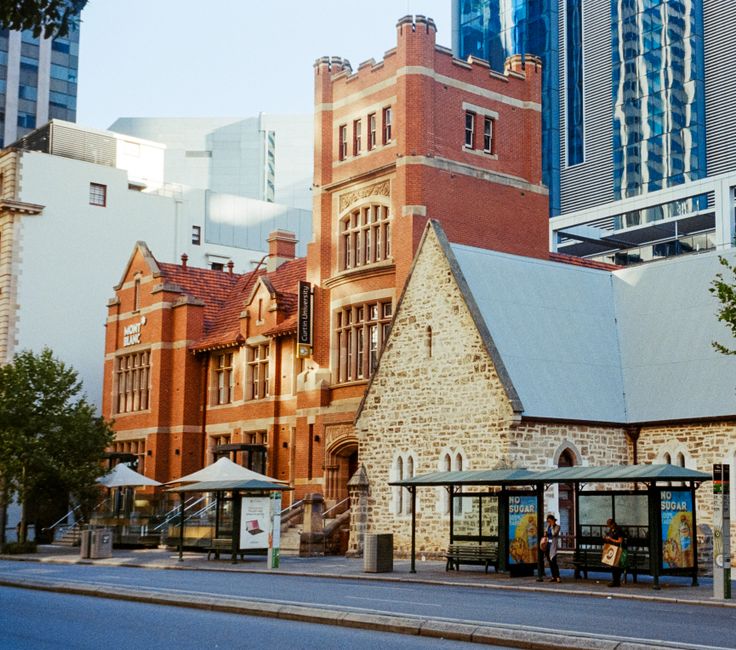
Walk down James Street in Northbridge on any given Friday night, and you'll encounter something that didn't exist in Perth five years ago: a thriving ecosystem of independent theatre spaces, artist-run venues, and collaborative performance collectives that are fundamentally reshaping the city's cultural landscape.
The shift is visible in the numbers. According to the Perth Cultural Alliance, theatre attendance across independent and fringe venues has increased by 47% since 2023, with venues operating on Beaufort Street, Lake Street, and throughout East Perth now accounting for nearly a third of all live performance attendance in the metropolitan area. What's driving this isn't celebrity talent or corporate investment—it's community.
Organisations like Marrugeku (based at Performing Arts Centre in the CBD but operating across multiple grassroots spaces) and the Perth Fringe Festival itself have catalysed a fundamental shift in how artists and audiences relate to performance. The democratisation of theatre-making—through pop-up spaces in converted warehouses, intimate studio venues in converted workers' cottages, and outdoor performances in the Perth Cultural Centre precinct—has made live art accessible in ways traditional theatre never managed.
"What we're seeing," explains the Perth Cultural Development Officer's recent sector report, "is a move away from destination theatre towards community-embedded performance." This manifests in affordable ticket pricing (with many venues charging $15-25 for entry), experimental programming that reflects Perth's increasingly diverse population, and—crucially—artistic control remaining in the hands of the creators themselves.
The movement has also sparked infrastructure innovation. The converted industrial spaces along Railway Parade now host everything from dance collectives to experimental puppetry. Venues are deliberately programming alongside NAIDOC Week celebrations and other community events, recognising that theatre's relevance depends on its connection to local narratives and First Nations cultural leadership.
What distinguishes Perth's moment from other Australian cities is its particular character: the community driving this shift isn't waiting for institutional validation. Independent producers, artist collectives, and emerging companies are building their own venues, curating their own seasons, and establishing working relationships directly with audiences rather than through traditional gatekeepers.
This isn't a rejection of established institutions like Black Swan Theatre or the Perth Festival. Rather, it's an expansion—a recognition that Perth's cultural vitality depends on multiple, intersecting ecosystems where entry-level artists and seasoned professionals work alongside community members, where risk-taking is encouraged, and where the question isn't "will this sell 500 tickets?" but "what stories does our community need to tell right now?"
That's the movement reshaping Perth's cultural identity.
This article was compiled by AI and screened before publishing. See our editorial standards.
Spread the word
About this article
Published by The Daily Perth
Stay in the loop
Daily brief
Free, in your inbox before 7am. Weekdays.
The Daily Network — local news across Australia
More local news across Australia