Perth's emerging heritage voices reshape how we tell our city's story
A new generation of curators, artists and historians is challenging old narratives and claiming space in institutions across the city.
2 min read
A new generation of curators, artists and historians is challenging old narratives and claiming space in institutions across the city.
2 min read
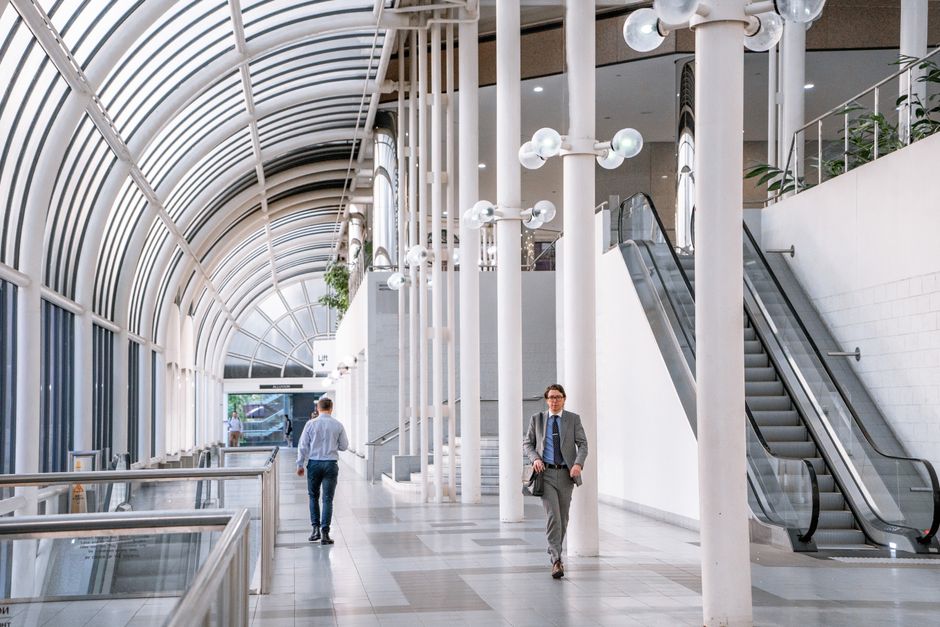
Walk into the Perth Museum on James Street these days and you'll notice the shift immediately. Gallery labels carry multiple perspectives. Audio guides feature voices from Western Australian communities long sidelined in official histories. It's a quiet revolution, driven largely by curators and cultural workers under 40 who've grown tired of waiting for permission to reshape how Perth remembers itself.
This emerging wave—many trained at Curtin University's heritage programmes or self-taught through community work in suburbs from Northbridge to Cannington—is reshaping cultural identity across the city. They're not interested in dusty institutional gatekeeping. Instead, they're activating independent spaces: converted warehouses in Fremantle's arts precinct, church basements in Midland, community centres in outer suburbs where migration and working-class histories have been quietly erased from official narratives.
Take the Boomerang Project, a grassroots initiative mapping oral histories across Perth's Indigenous neighbourhoods. Or the emerging documentary filmmakers capturing first-generation migrant stories in languages rarely heard in mainstream Australian media. These aren't fringe experiments—they're attracting serious attention and modest but growing funding. The City of Perth's recent heritage grants scheme allocated $240,000 across 12 community-led projects in 2025, a significant increase reflecting institutional recognition of this shift.
What distinguishes this cohort is their refusal of false neutrality. They're explicitly interrogating whose stories got told, and why. A recent exhibition at the University of Western Australia's Berndt Museum, co-curated by emerging practitioners, examined how Perth's postwar boom narrative erased Indigenous displacement. Another, running through August at a pop-up on Oxford Street in Leederville, centres queer and trans histories of the city—narratives conspicuously absent from municipal heritage framings.
The economics remain precarious. Most emerging heritage workers piece together funding from grants, teaching hours, and community work. Few earn more than $45,000 annually. Yet momentum builds. Art schools report record enrolment in heritage and curatorial studies. Online communities connecting Perth's emerging cultural practitioners have grown to thousands. Museums increasingly recruit from this pool.
What's striking is their intergenerational approach. These voices don't dismiss institutional history—they're inside institutions, slowly changing them. They're also building parallel structures, creating space for narratives institutions haven't yet learned to hold.
Perth's cultural identity, it seems, is being remade by those with something urgent to say about who belongs in the story. The conversation has only just begun.
This article was compiled by AI and screened before publishing. See our editorial standards.
Spread the word
About this article
Published by The Daily Perth
Stay in the loop
Daily brief
Free, in your inbox before 7am. Weekdays.
The Daily Network — local news across Australia
More local news across Australia