Perth's Festival Organizers Build City's Year-Round Cultural Calendar
Behind every sold-out show and street festival lies a network of passionate organisers whose year-round labour transforms Perth's cultural calendar.
2 min read
Behind every sold-out show and street festival lies a network of passionate organisers whose year-round labour transforms Perth's cultural calendar.
2 min read
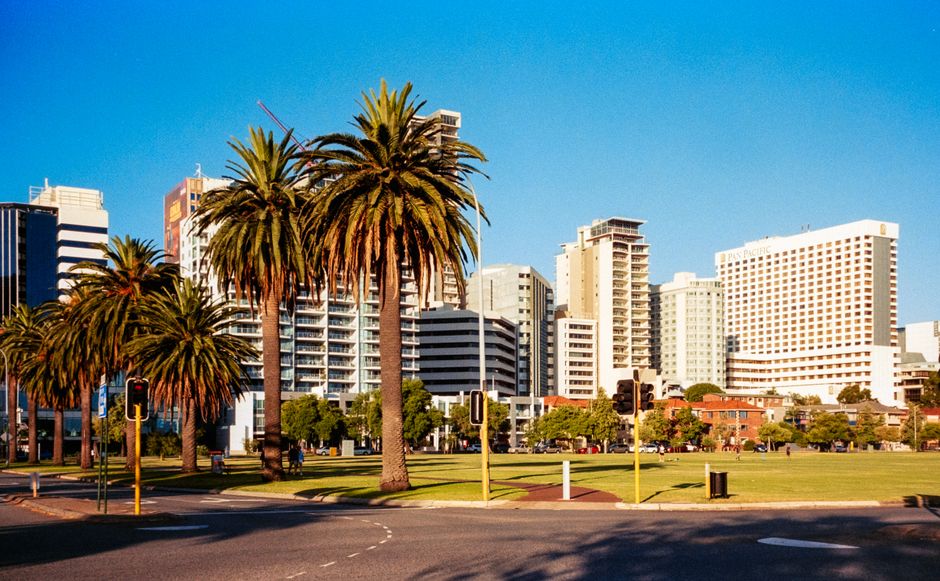
While most Perthians were planning their winter wardrobes, Maria Santos and her team at Arts Perth were already deep in negotiations for next year's festival programming—a process that begins eighteen months before the first event banner hangs on St Georges Terrace. This invisible infrastructure, rarely acknowledged by attendees, represents the beating heart of Perth's cultural vitality.
Santos leads a network of approximately forty full-time programmers, venue managers, and logistics coordinators across Perth's major cultural institutions. Their work—conducted in heritage office buildings scattered between the CBD and East Perth—determines which artists perform at Northbridge Performing Arts Centre, which installations grace Wellington Square, and how the city's calendar fills from January through December.
"People see the festival," Santos explains, "but they don't see the eighteen months of relationship-building, the artist liaison calls at 2 AM across time zones, or the budget reconciliation at 11 PM on a Thursday." Her team coordinates with international promoters, state funding bodies, and local community groups to create Perth's diverse calendar: from the Perth Festival in February to Fringe World in January, from Boomerang Project's South Perth street events to the winter film seasons at Luna Leederville.
The economics are staggering. Perth Festival alone attracts over 250,000 attendees annually, generating an estimated $48 million in economic benefit. Yet the teams orchestrating these outcomes operate with remarkable transparency about their constraints. Budget pressures mean difficult choices: fewer international acts, reduced venue hire support for emerging artists, or scaled programming in outer suburbs like Cannington and Armadale.
What drives them? For many—like the volunteers coordinating community street festivals across the metro area—it's intrinsic. "We're building something that belongs to Perth," says one long-serving volunteer who has worked on Northbridge's summer festival circuit for twelve years. "When you see families discovering live music for the first time, or tourists telling us they're coming back because of what they experienced—that's the real metric."
The 2026 calendar—announced quietly last month—reveals an increasingly ambitious vision: expanded programming in Cannington and Cockburn, new partnerships with Noongar cultural organisations, and increased support for emerging independent venues. These decisions reflect not institutional decree, but countless conversations between organisers, artists, and communities.
Perth's festival season exists not because calendars organise themselves, but because a dedicated cadre of cultural architects continues building the city's creative infrastructure—year after year, conversation by conversation, show by show.
This article was compiled by AI and screened before publishing. See our editorial standards.
Spread the word
About this article
Published by The Daily Perth
Stay in the loop
Daily brief
Free, in your inbox before 7am. Weekdays.
The Daily Network — local news across Australia
More local news across Australia