Local historians and artists reshape Perth's cultural narrative from grassroots up
A determined network of local historians, artists and community organisers is reclaiming Perth's cultural narrative from the ground up.
2 min read
A determined network of local historians, artists and community organisers is reclaiming Perth's cultural narrative from the ground up.
2 min read
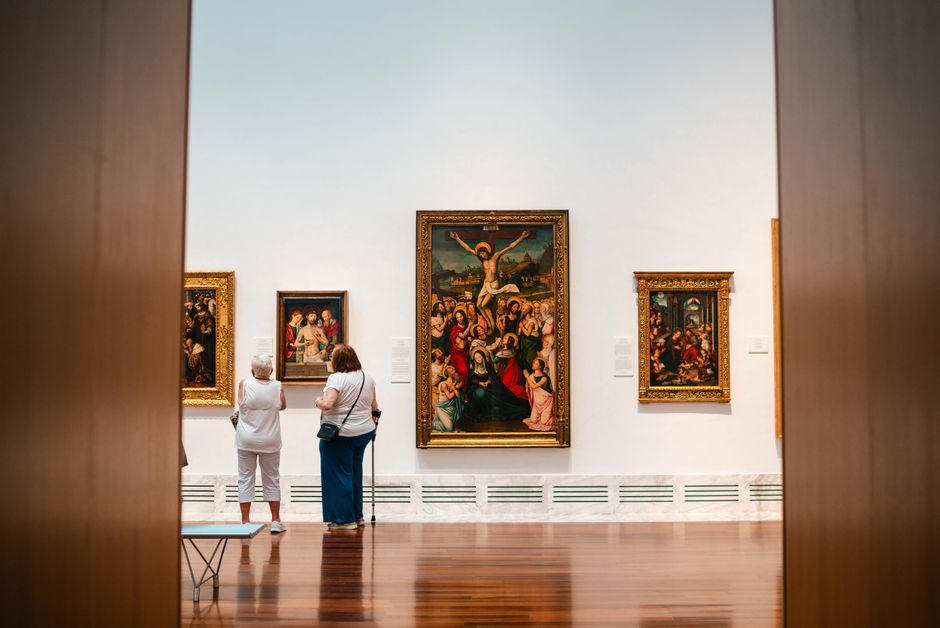
Walk into the Heritage Rooms on William Street any Tuesday evening and you'll find something increasingly rare in contemporary Perth: a room full of strangers united by intimate knowledge of their own backyard. Over the past three years, this volunteer-run initiative has quietly become the epicentre of a cultural shift that's reframing how the city understands itself.
The movement emerged partly from frustration. Institutional heritage organisations, stretched thin across sprawling collections and competing priorities, left gaps in the local record. Who documented the 1980s laneway culture of Northbridge before gentrification accelerated? Who preserved the voices of South Perth's migrant communities? Who asked what Noongar Country meant to contemporary Perth identity?
Today, dozens of community-led projects are answering those questions. The Midland Junction precinct, long viewed as industrial periphery, has become a focal point. Last year, the Midland Railway Workshops Heritage Centre partnered with local artists to reframe the site as a living archive—not just a museum. Entry remains free for residents. Meanwhile, in Subiaco, the Shenton Park History Collective has documented over 400 oral histories from longtime residents, many recording cultural shifts in the suburb's Jewish, Greek and Eastern European communities.
What distinguishes this movement is its democratic impulse. Unlike top-down heritage initiatives, these grassroots efforts invite participation rather than passive consumption. The Swan River Storytelling Project, which launched in 2024, crowdsources memories from residents across Applecross, Como and Kensington. Contributors aren't experts—they're grandparents, shopkeepers, teachers sharing what the river meant to their families.
Funding remains precarious. Most groups operate on grants under $15,000 annually, supplemented by membership contributions of $50-100 per year. Yet momentum builds. The Festival of Perth now dedicates its September programming to community heritage projects, reaching approximately 40,000 visitors. Local councils increasingly recognise these initiatives as vital infrastructure for cultural identity.
Perhaps most significantly, this movement challenges what heritage means. Rather than preserving Perth as historical artefact, it positions culture as actively made by residents—yesterday, today, tomorrow. In doing so, these communities aren't simply documenting the past. They're arguing that Perth's identity remains unfinished, contested, perpetually open to interpretation by those who actually live here. That's a radically different story than the one told by institutions alone.
This article was compiled by AI and screened before publishing. See our editorial standards.
Spread the word
About this article
Published by The Daily Perth
Stay in the loop
Daily brief
Free, in your inbox before 7am. Weekdays.
The Daily Network — local news across Australia
More local news across Australia