Perth's Street Art Districts Transform Neglected Neighborhoods Into Creative Hubs
How Northbridge and the CBD transformed from neglected urban spaces into thriving hubs for visual culture and design innovation.
2 min read
How Northbridge and the CBD transformed from neglected urban spaces into thriving hubs for visual culture and design innovation.
2 min read
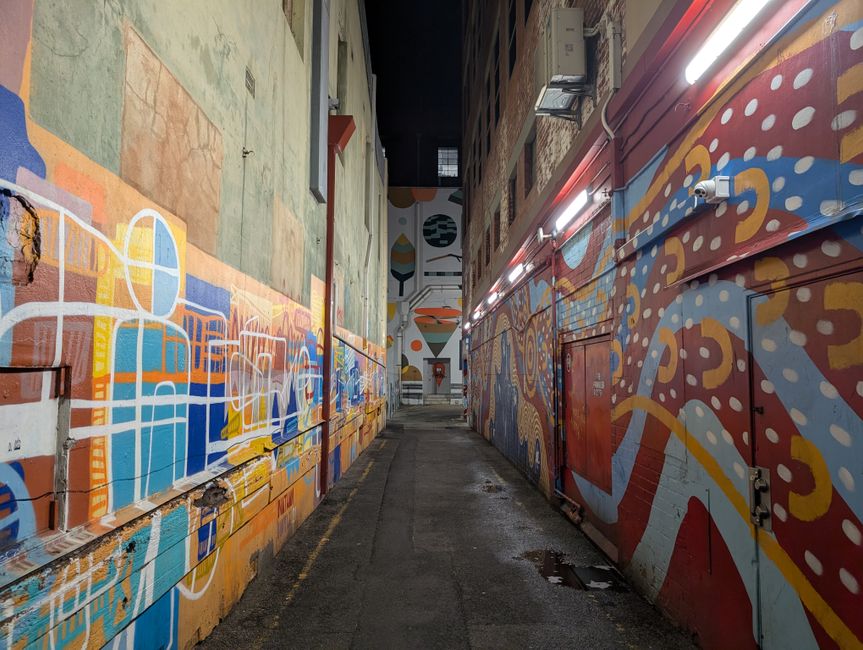
Perth's street art scene didn't emerge overnight. Two decades ago, the city's creative community operated largely in the shadows—literally—working on railway bridges and back alleys with minimal official recognition or protection. Today, Northbridge and the CBD's designated creative precincts represent a dramatic shift in how Perth values visual culture and urban placemaking.
The turning point came around 2006-2008, when local authorities began acknowledging that street art wasn't vandalism but cultural expression. Early advocates, including grassroots organisations and independent gallery owners, established informal networks across William Street and Lake Street, creating safe spaces for artists to experiment. What started as clandestine nighttime work gradually became sanctioned daytime practice.
By the 2010s, Northbridge had cemented itself as Perth's creative epicentre. The neighbourhood's Victorian warehouses and post-industrial architecture provided ideal canvases. Artists transformed laneways between Fitzgerald Street and James Street into open-air galleries, with murals rotating seasonally. Local property owners began commissioning work, recognising that vibrant street art increased foot traffic and property appeal. This commercial validation paradoxically legitimised what had been underground culture.
The economics shifted dramatically. Where artists once risked legal consequences, Perth now hosts regular street art festivals and design markets. The Northbridge Creative Precinct now attracts emerging and established practitioners, with rental spaces for studios becoming increasingly competitive. Street art tours launched; Instagram accounts dedicated to Perth murals accumulated thousands of followers; international artists began requesting commissions.
Yet evolution brought tension. Purists argue that formalisation compromised authenticity. Corporate sponsorships and council-approved installations lack the rebellious edge that defined early work. Meanwhile, gentrification pressures threaten the affordability that once made Northbridge accessible to young creatives. Studio rental prices in the precinct have tripled since 2015.
Today's Perth street art scene occupies an unusual middle ground. The laneways remain vibrant, but increasingly curated. The CBD's new Public Art Strategy includes dedicated budget allocation for commissioned pieces—recognition that design and street culture drive city identity. Venues like PICA continue supporting experimental practice, while commercial galleries now feature former street artists in formal exhibitions.
Perth's creative districts represent something broader than aesthetic transformation. They reflect how cities negotiate between preservation and progress, between underground authenticity and mainstream acceptance. The spray paint may be officially sanctioned now, but the conversation about whose art gets seen, valued, and celebrated remains just as contested as ever.
This article was compiled by AI and screened before publishing. See our editorial standards.
Spread the word
About this article
Published by The Daily Perth
Stay in the loop
Daily brief
Free, in your inbox before 7am. Weekdays.
The Daily Network — local news across Australia
More local news across Australia