From Empty Warehouses to Standing Ovations: The Architects Behind Perth's Theatre Renaissance
A decade-long grassroots movement transformed neglected riverside spaces into the thriving performance venues that now define the city's cultural identity.
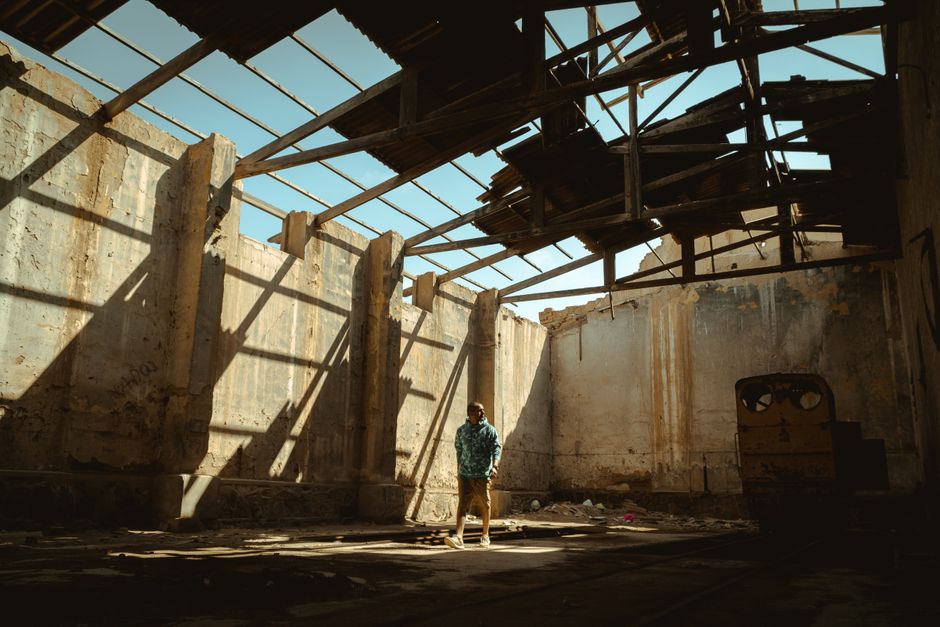
Walk along Perth's Watertown precinct today and you'll find three thriving independent theatres, a dance studio collective, and a live music hall that collectively host over 400 performances annually. A decade ago, these same streets hosted empty warehouses and abandoned industrial buildings. The transformation didn't happen through municipal planning alone—it was built by a tight-knit group of artists, architects, and community organisers who saw potential where others saw decay.
The movement began in 2016 when a collective of theatre practitioners, frustrated by limited performance spaces and rising rents in established cultural precincts, began scouting underutilised properties south of the Swan River. What emerged was a model of adaptive reuse that became a blueprint for Perth's broader creative economy revival. By 2022, the Watertown Creative Precinct—now home to venues like The Vat Theatre and the Riverside Collective—was generating an estimated $8.2 million annually in local economic activity.
The human story behind this success reveals the determination required to build cultural infrastructure from scratch. Early pioneers secured long-term leases on industrial spaces, invested their own capital into basic renovations, and worked nights and weekends to establish programming. The Vat Theatre, housed in a former brewery fermentation facility on Mill Street, required 18 months of volunteer labour before its first official season in 2018. Its founders, a mix of university theatre graduates and career-change artists, operated at a loss for the first three years.
Advertisement
Today, these venues punch above their weight. The Riverside Collective's 2025 season attracted 12,000 attendees across 156 performances, with ticket prices averaging $28—significantly lower than established venues in the city centre. Their success spawned similar projects: The Exchange on Hay Street converted a heritage post office into a 250-seat theatre, while independent producers began activating laneways with pop-up performances.
The precinct's growth has sparked broader conversations about cultural equity and access. Programming now deliberately features First Nations artists, emerging migrant performers, and experimental works that wouldn't find homes in traditional venues. The Riverside Collective reports that 34 per cent of their audience members had not attended live theatre in the previous five years.
As Perth's global profile grows, these spaces remain fiercely independent, governed by the artists and communities they serve. Their survival depends not on corporate sponsorship but on the continued commitment of people who believe live performance matters—and are willing to build the infrastructure to prove it.
This article was compiled by AI and screened before publishing. See our editorial standards.