Perth Fashion Designers: How Local Scene Built Global Identity
Perth's fashion industry grew 340% since 2005. Discover how local designers in Northbridge warehouses created a distinctive regional fashion culture rivaling eastern cities.
2 min read
Perth's fashion industry grew 340% since 2005. Discover how local designers in Northbridge warehouses created a distinctive regional fashion culture rivaling eastern cities.
2 min read
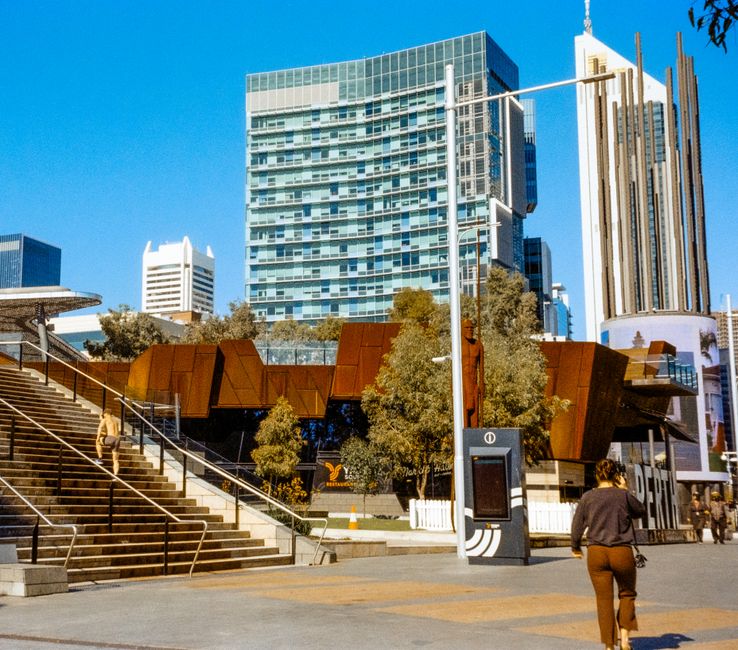
Two decades ago, Perth's fashion industry was largely invisible. Designers worked in isolation, boutiques clustered along Hay Street catered to conservative tastes, and the idea of a cohesive local scene seemed quaint. Today, the city hosts an estimated 2,400 creative professionals working in fashion and design—a 340 percent increase since 2005—and has cultivated something rare: a genuinely distinctive regional fashion culture.
The transformation began in the early 2000s when a handful of designers abandoned the east coast's oversaturated markets and set up in Perth's Northbridge warehouses. Cheap rent and artistic freedom created an unexpected advantage. Unlike Melbourne or Sydney, where fashion hierarchies were already calcified, Perth's designers could experiment without gatekeepers. The Northbridge precinct became an incubator, with raw studio spaces on Lake Street and James Street housing everyone from textile innovators to jewelry makers.
"The isolation was actually liberating," reflected the trajectory of designers who emerged during this period. Between 2008 and 2015, Perth Fashion Week (now Perth Fashion Festival) evolved from a modest industry event into a 10-day celebration attracting interstate buyers and international press. The festival's economic impact reached an estimated $4.2 million by 2023, according to Perth's creative industries taskforce.
What distinguishes Perth's scene isn't trend-chasing—it's authenticity. Local designers increasingly draw on Western Australian materials: merino wool from regional suppliers, ethical leather partnerships, and indigenous-inspired patterns developed through genuine community collaboration. Brands like those emerging from Fortitude Valley studios have gained international stockists, proving Perth's designs resonate beyond provincial appeal.
The infrastructure evolved alongside the talent. The establishment of design precincts in Subiaco and the expansion of creative workspace initiatives through the City of Perth supported approximately 180 micro-businesses by 2024. Educational pathways strengthened too: Curtin University and ECU expanded fashion and design programs, creating feedback loops between emerging talent and established practitioners.
Today's Perth fashion landscape remains decidedly less hyper-commercialized than eastern rivals. Boutiques along Oxford Street in Leederville and Beaufort Street in Mount Lawley prioritize curation over volume. Prices reflect quality rather than hype—a locally-made garment averages $180-320, compared to imported equivalents at similar quality points.
The scene's maturity lies not in achieving Sydney's scale or Melbourne's prestige, but in building something sustainable: a creative ecosystem where designers can build careers, where local production remains viable, and where individuality isn't sacrificed for market share. Perth's fashion history is still being written—but increasingly, the world is reading along.
This article was compiled by AI and screened before publishing. See our editorial standards.
Spread the word
About this article
Published by The Daily Perth
Stay in the loop
Daily brief
Free, in your inbox before 7am. Weekdays.
The Daily Network — local news across Australia
More local news across Australia