Perth Architects Transform Warehouses Into Thriving Theatre Venues
Meet the visionaries and volunteers reshaping the city's performing arts landscape, one intimate venue at a time.
2 min read
Meet the visionaries and volunteers reshaping the city's performing arts landscape, one intimate venue at a time.
2 min read
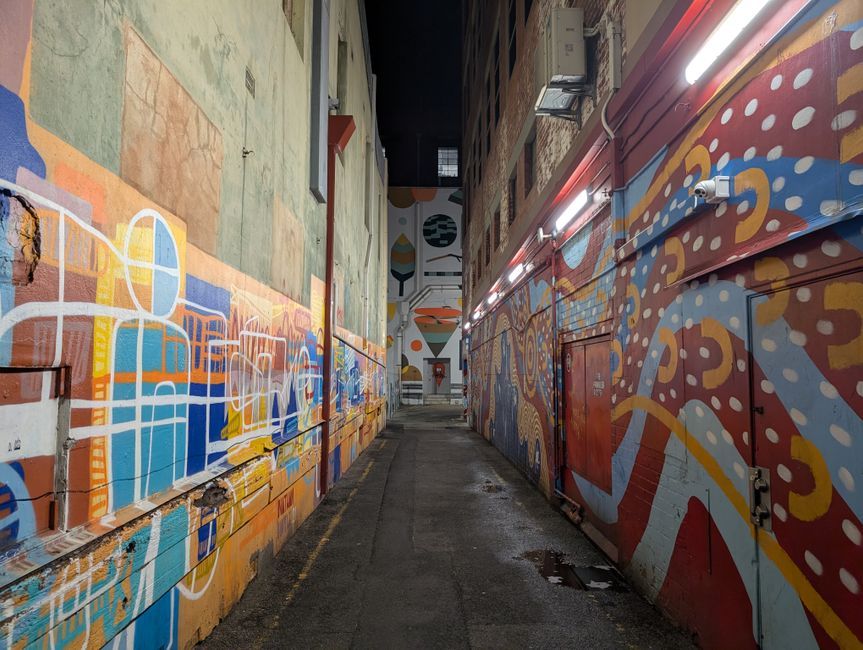
Walk down Beaufort Street on a Friday night and you'll hear it before you see it—the distant rumble of live music, laughter spilling onto the pavement, the unmistakable energy of a city's cultural heartbeat. But the story of how Perth's theatre and performing arts scene reached this moment of vitality spans years of persistence, creative risk-taking, and the kind of behind-the-scenes labour that rarely makes the programme notes.
Over the past decade, a network of entrepreneurs, artists, and community advocates has quietly transformed underutilised spaces across Northbridge, Subiaco, and East Perth into thriving cultural hubs. What began as scattered independent initiatives has evolved into something more cohesive: a genuine ecosystem where experimental theatre coexists with classical performances, where emerging playwrights workshop new material, and where audiences hungry for authentic storytelling have finally found home.
The shift didn't happen by accident. Venue operators, many working on razor-thin margins, invested heavily in infrastructure and artist development programmes. The result is quantifiable: between 2020 and 2025, independent theatre companies in Perth increased by 34%, according to data collated by the Western Australian Arts Council. Ticket prices have remained relatively accessible—most independent productions price seats between $25 and $40—making live performance within reach for audiences beyond the traditional theatre demographic.
What distinguishes Perth's renaissance, however, is the collaborative spirit underlying it. Production teams share technical resources. Emerging directors mentor newcomers. Venue operators actively programme complementary seasons rather than competing directly. This ethos extends to audience development; many spaces now offer pay-what-you-wish preview nights and community pricing schemes.
The pandemic tested this resilience severely. Multiple venues faced closure. Yet creative adaptation emerged: outdoor performances in Langley Park, digital streaming experiments, and socially distanced gallery performances kept the scene alive. Those who survived emerged stronger, more intentional about their cultural mission.
Today, venues ranging from established institutions to converted industrial spaces host everything from intimate cabaret to large-scale musical theatre. Local practitioners—directors, designers, performers—increasingly build careers entirely within Western Australia rather than necessarily relocating eastward, a significant shift in the city's cultural self-perception.
The infrastructure matters, certainly. But what truly animates Perth's performing arts renaissance is human: the programmers curating adventurous seasons, the technicians troubleshooting sound systems, the volunteer ushers welcoming audiences, the artists themselves showing up night after night. Their collective vision has redrawn what's possible in this city.
This article was compiled by AI and screened before publishing. See our editorial standards.
Spread the word
About this article
Published by The Daily Perth
Stay in the loop
Daily brief
Free, in your inbox before 7am. Weekdays.
The Daily Network — local news across Australia
More local news across Australia