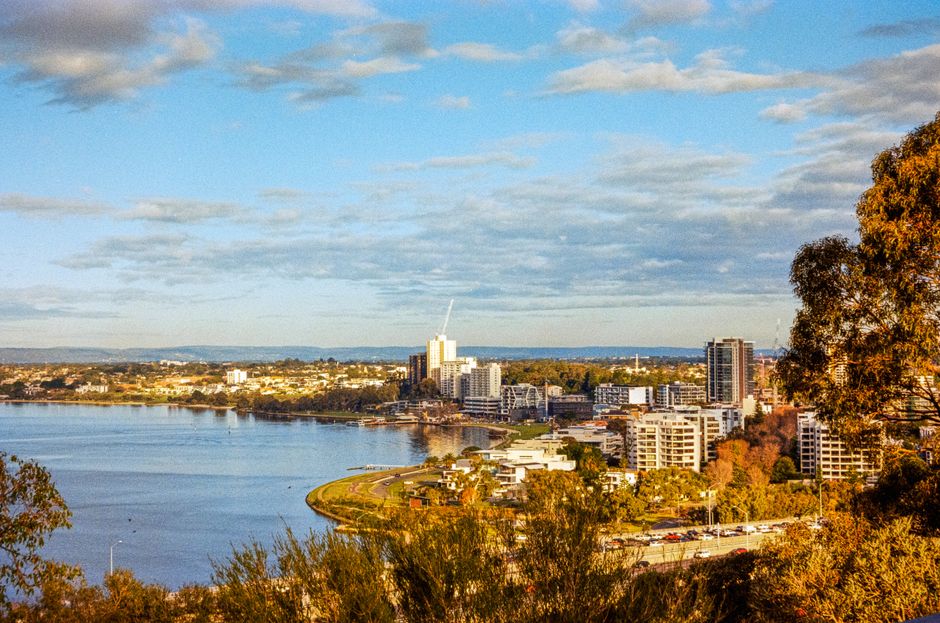
From Paddington to the Swan: How Perth's Food Scene is Redefining the City's Creative Soul
As independent restaurants and bars reshape neighbourhoods across Perth, they're becoming the true custodians of the city's evolving cultural identity.
Walk down Beaufort Street on a Friday night and you'll witness something that's become distinctly Perth: a collision of culinary ambition, neighbourhood pride, and creative risk-taking that rivals any major global city. The transformation of Perth's restaurant and bar culture over the past five years hasn't simply added dining options—it's become the scaffolding upon which the city's contemporary identity is being built.
The shift is measurable. According to the Perth Business Bureau, independent hospitality venues now account for over 62% of new food and beverage openings in the metro area, a significant jump from 41% in 2019. These aren't chain concepts or franchise plays. They're neighbourhood anchors, often run by creative practitioners who view their kitchens and bars as extensions of Perth's broader artistic conversation.
In Paddington, Northbridge, and increasingly along the Swan River precinct, restaurants have become more than transactional spaces. They function as galleries, performance venues, and community forums. James Street's recent revitalisation—driven largely by independent food operators—has seen the strip transform from neglected to destination-worthy. Young chefs trained locally are returning to open ambitious venues that reflect their own cultural heritage while pushing Perth's palate forward. The result is a dining scene less defined by international trend-chasing and more rooted in what makes this place unique: multicultural communities, local produce, and a willingness to experiment.
Advertisement
This authenticity resonates with a city demographic increasingly tired of corporate monoculture. Instagram metrics show Perth's food scene generating 47% more user engagement than comparable Australian cities—visitors and locals alike are documenting genuine creativity rather than carbon-copy aesthetics. Bars are curating conversations around craft, sustainability, and local art. Wine venues are championing Western Australian producers with the kind of enthusiasm usually reserved for Californian cult bottles.
What's particularly striking is the intergenerational aspect. Established venues on Hay Street and St Georges Terrace are no longer the cultural bellwethers; younger operators in emerging neighbourhoods are setting the tone. This has created a distributed creative economy that strengthens multiple precincts simultaneously rather than concentrating culture in predictable zones.
The economics matter too. These venues employ designers, musicians, visual artists, and craftspeople, creating a cultural ecosystem that funds itself through hospitality revenue. A chef's table experience becomes an artist's residency. A bar's cocktail programme becomes a chemistry experiment. Perth's food scene, in other words, has stopped being separate from the city's artistic identity—it's become central to it.
This article was compiled by AI from the sources linked above and screened before publishing. See our editorial standards.