The Next Wave: Emerging Voices Reshaping Perth's Street Art Districts
From Northbridge laneways to South Perth's industrial corridors, a new generation of artists is challenging conventions and claiming public space as their canvas.
2 min read
From Northbridge laneways to South Perth's industrial corridors, a new generation of artists is challenging conventions and claiming public space as their canvas.
2 min read
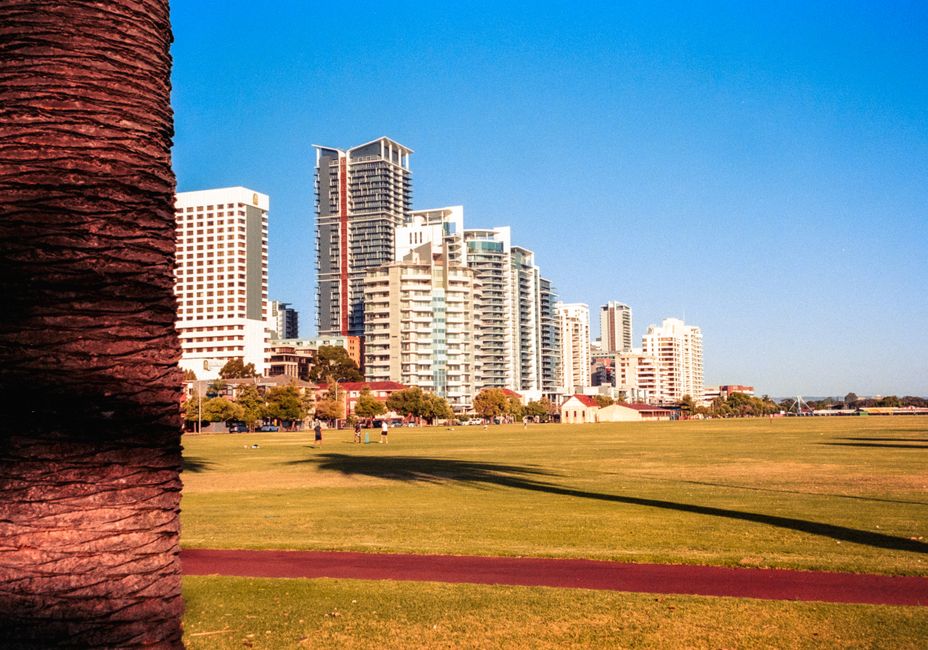
Perth's street art landscape is experiencing a generational shift. While names like REKO and DEVE have long dominated the city's visual consciousness, a cohort of artists in their early twenties to early thirties is quietly redefining what public art means in Western Australia's creative capital.
The transformation is most visible in Northbridge, where the notorious laneways—once territories of established crews—have become incubators for experimental work. Artists like those operating under collective projects through the Artrage Biennial platform are moving beyond traditional bombing culture toward narrative-driven installations that blend portraiture, abstraction, and socio-political commentary. Recent pieces in the lanes off Lake Street showcase this evolution: intricate, time-intensive murals that engage with Indigenous perspectives, climate anxiety, and urban identity in ways that distinguish them from their predecessors.
South Perth's industrial precinct along Labouchere Road tells a different story. Here, younger practitioners are negotiating formal permissions through evolving frameworks with the City of South Perth, transforming blank warehouse walls into sanctioned creative spaces. This represents a pragmatic shift: the next wave understands both the street's authenticity and institutional legitimacy as strategic tools rather than opposing forces.
Subiaco's heritage lanes are hosting pop-up residencies through independent collectives, with artists rotating monthly installations. Meanwhile, East Perth's emerging creative quarter—anchored by converted warehouse studios—is becoming a breeding ground for interdisciplinary work that merges street art with installation, performance, and digital projection.
What distinguishes this cohort? They're fluent in global visual culture yet deeply rooted in Perth's specific contexts. Their work interrogates localism without parochialism, engaging with Indigenous art practices, migrant narratives, and environmental concerns with evident research and respect. Several have formal training—art school degrees, design backgrounds—yet consciously choose illegality or semi-legal spaces as primary practice sites, rejecting a linear trajectory toward galleries and commercial commissions.
The economics matter too. Perth's rental crisis and cost-of-living pressures mean fewer artists can sustain practice through traditional arts funding alone. Street art offers visibility without gatekeeping, though increased policing and rapid gentrification are creating new pressures.
As Perth continues to position itself as a cultural destination, this emerging generation's work will likely define how the city looks by 2030. They're not simply tagging walls—they're claiming public discourse in an era when traditional public spheres have contracted. Their laneways are galleries, forums, and archives simultaneously. That's what makes them worth watching.
This article was compiled by AI from the sources linked above and screened before publishing. See our editorial standards.
Spread the word
About this article
Published by The Daily Perth
Stay in the loop
Daily brief
Free, in your inbox before 7am. Weekdays.
The Daily Network — local news across Australia
More local news across Australia