From Colonial Warehouses to World-Class Galleries: How Perth's Arts Scene Transformed
Three decades of visionary development have turned a regional city into a destination for contemporary art, heritage museums and creative innovation.
2 min read
Three decades of visionary development have turned a regional city into a destination for contemporary art, heritage museums and creative innovation.
2 min read
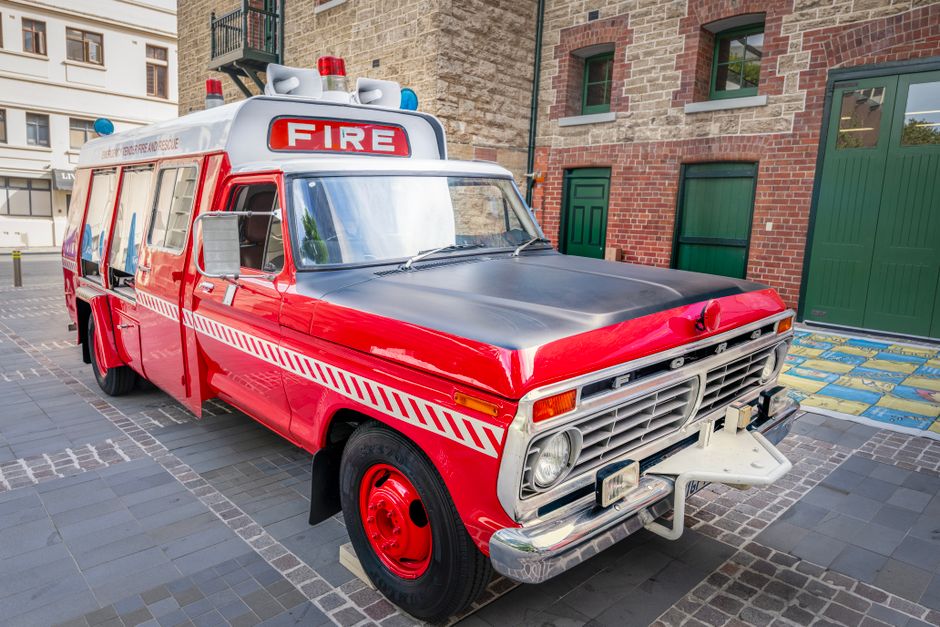
Perth's arts and cultural infrastructure has undergone a remarkable metamorphosis since the mid-1990s, evolving from a modest collection of heritage institutions into one of Australia's most dynamic gallery and museum precincts. What began as scattered colonial-era buildings and a single major museum has blossomed into a thriving ecosystem that now attracts over two million visitors annually.
The transformation began earnestly with the Western Australian Museum's expansion along the Perth waterfront in the early 2000s, a watershed moment that signalled serious investment in cultural infrastructure. This anchor institution, now encompassing seven sites across the metropolitan area including the acclaimed Boola Bardip precinct, catalysed subsequent development. The museum's evolution from a single heritage building to a multi-site network demonstrated that Perth could support ambitious, internationally-calibre cultural programming.
The Art Gallery of Western Australia, established in its current form in 1979 but substantially reimagined through renovations and acquisitions, solidified Perth's commitment to contemporary practice. Its collection has grown exponentially, now housing over 35,000 works. Located on Northbridge's cultural corridor, the gallery sits alongside emerging independent spaces that have transformed neglected warehouse districts into creative hubs since around 2015.
Northbridge itself deserves particular attention. Once dismissed as peripheral, the neighbourhood's transformation mirrors the city's broader cultural awakening. Streets like Aberdeen and James now host artist collectives, boutique galleries and experimental performance venues that barely existed a decade ago. Rental affordability initially drew creative practitioners; now the area's reputation attracts intentional cultural investment.
The evolution hasn't been without growing pains. Rising property values in traditionally bohemian areas like Northbridge and Fremantle have pressured artist communities, echoing debates seen in creative cities worldwide. Yet Perth's relative size—a city of under two million—has meant its cultural scene retains unusual accessibility. General admission to major museums remains under $20; many independent galleries operate free entry policies.
Recent data reveals the economic significance: the cultural sector now contributes approximately $1.2 billion annually to the Western Australian economy. Beyond economics, Perth's arts infrastructure has fundamentally shifted how the city imagines itself—from a resource-extraction city on the continent's edge to a creative centre with regional significance.
Today's Perth arts visitor encounters a landscape unrecognisable from thirty years ago: world-class architecture, intellectually ambitious programming, and genuinely innovative independent spaces. That transformation—from colonial curiosity shops to contemporary excellence—remains the city's most underappreciated cultural achievement.
This article was compiled by AI from the sources linked above and screened before publishing. See our editorial standards.
Spread the word
About this article
Published by The Daily Perth
Stay in the loop
Daily brief
Free, in your inbox before 7am. Weekdays.
The Daily Network — local news across Australia
More local news across Australia