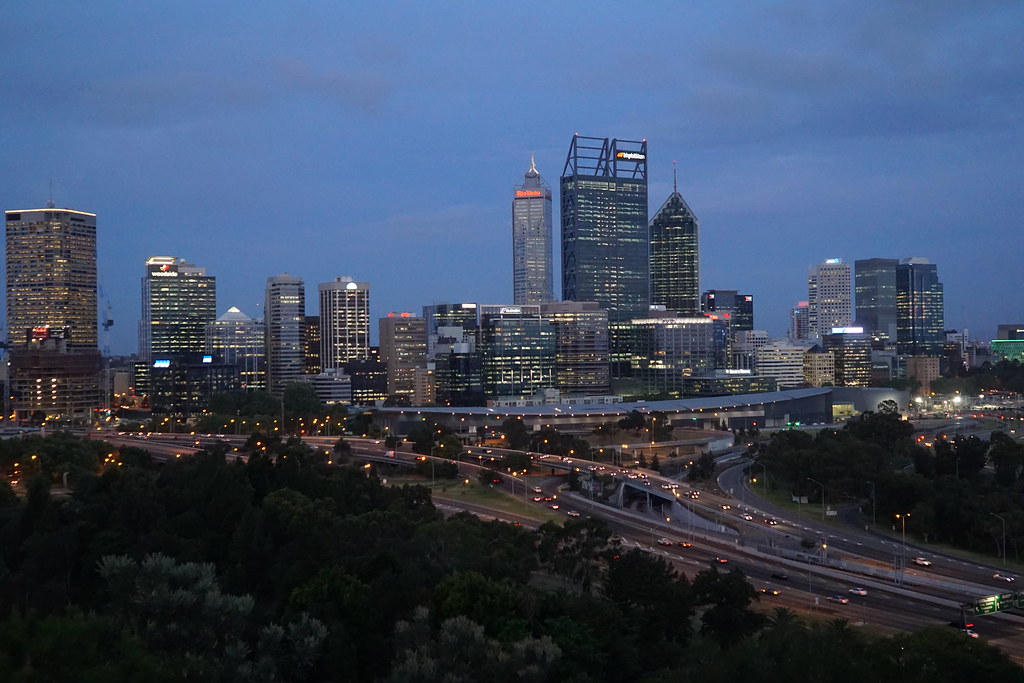
From Hidden Speakeasies to Global Hub: How Perth's Cultural Scene Evolved From Isolation to Innovation
Perth's arts and heritage landscape has transformed dramatically over three decades, turning a geographically isolated city into one of Australia's most distinctive cultural destinations.
Walk down William Street in Northbridge today and you'll encounter galleries, independent theatres, and street art that pulses with creative energy. It's hard to imagine that thirty years ago, Perth's cultural identity was largely defined by what it lacked: proximity to major markets, established arts infrastructure, and—some argued—ambition itself.
The transformation began in earnest during the 1990s. The Perth Institute of Contemporary Arts (PICA), established on James Street in 1991, became the catalyst for a broader creative awakening. What started as a modest experimental space has evolved into an institution that attracts international artists and shapes national conversations about contemporary practice. Today, PICA's annual budget exceeds $5 million, reflecting the city's commitment to arts funding—a dramatic shift from earlier decades when cultural investment was sporadic.
Northbridge's reinvention mirrors Perth's broader trajectory. Once dismissed as a red-light district, the neighbourhood underwent deliberate regeneration starting in the late 1990s. The restoration of heritage buildings along Roe Street created affordable studio spaces that attracted visual artists, performers, and independent operators. By 2015, Northbridge hosted over 40 galleries and creative businesses, transforming Perth's cultural geography entirely.
Advertisement
The Heritage Council of Western Australia has documented this shift meticulously. Perth's State Heritage List includes 2,847 registered places—many now serving dual purposes as both historical markers and active cultural venues. The Old Mill in South Perth, originally constructed in 1835, exemplifies this evolution: once purely historical, it now hosts regular cultural events and serves as a gathering point for community engagement.
What makes Perth's evolution distinctive is its relationship with isolation. Geographic distance from Sydney and Melbourne, historically a liability, became an asset. The city developed its own aesthetic vocabulary, less derivative than other Australian capitals. The rise of local musicians, visual artists, and independent publishers created what curator and cultural commentator James Emmett described as an authentically homegrown scene—one that emerged from necessity rather than resource abundance.
Today, Perth's cultural identity reflects both reverence for heritage and experimental boldness. The Astor Theatre on Beaufort Street remains a working cinema since 1936; simultaneously, street art precincts in East Perth push aesthetic boundaries. This coexistence—preservation and innovation—defines contemporary Perth.
The journey from cultural periphery to distinctive creative force took determination and investment. Perth's evolution reminds us that cultural identity isn't inherited; it's continually negotiated, reimagined, and renewed by those who call it home.
This article was compiled by AI from the sources linked above and screened before publishing. See our editorial standards.