Perth's Next Wave: The Emerging Voices Reshaping Our Food Culture
From Northbridge's intimate wine bars to South Perth's experimental kitchens, a new generation of chefs and restaurateurs is challenging the status quo.
2 min read
From Northbridge's intimate wine bars to South Perth's experimental kitchens, a new generation of chefs and restaurateurs is challenging the status quo.
2 min read
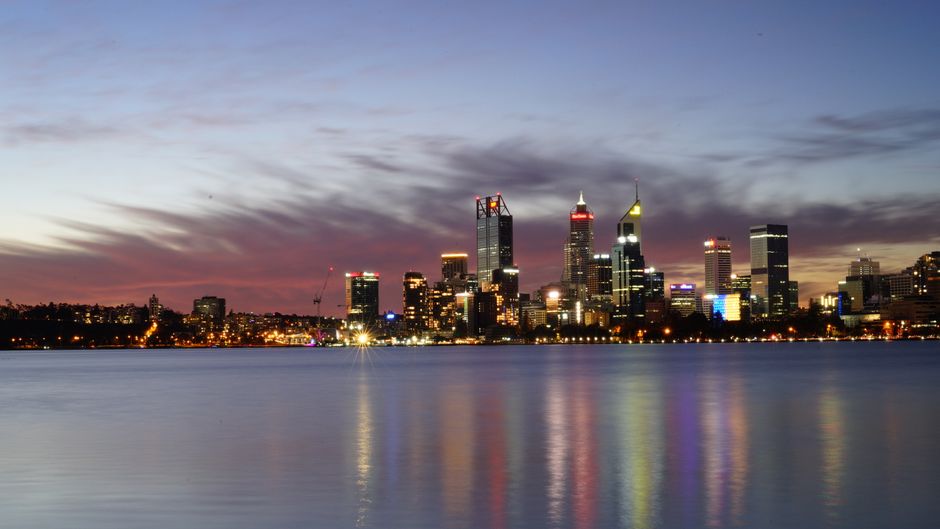
Perth's food scene has long traded on its isolation—a blessing that forced innovation and self-reliance. But in 2026, something shifted. A cohort of chefs in their late twenties and early thirties, trained locally and internationally, is now steering the city's culinary conversation in unexpected directions.
Walk through Northbridge on any Thursday evening and you'll notice the shift immediately. Smaller venues with tighter menus have begun replacing the sprawling gastropub model that dominated the 2010s. These new spaces—many operated by chefs who trained under Perth's established names before striking out independently—are deliberately intimate. Covers are capped at 30 or 40. Prix-fixe menus run $65–$85. The margins are tighter, but the conversation deeper.
On the eastern side of the river, South Perth's emerging hospitality precinct around Sandgate Street has become a testing ground. Three new venues opened in the past 18 months, each helmed by operators under 35. What unites them: a commitment to hyper-local sourcing and a willingness to deconstruct Western Australian classics. One notable establishment sources 85% of ingredients from producers within 150 kilometres—a deliberately ambitious threshold that reframes familiar produce.
The wine program evolution is equally significant. Rather than importing established European reputations, a wave of younger sommeliers and bar operators are championing small-production Australian and South African natural wines. The shift reflects broader generational attitudes toward sustainability and risk-taking. Venues in East Perth and Subiaco have become known for wine lists that prioritise story over prestige, with bottles starting at $45–$55.
Industry data tells the story: According to the West Australian Hospitality Association, 68% of new restaurant openings in 2025–2026 were led by operators under 40, compared to 42% five years prior. Average spend per head across the new wave sits roughly 12% lower than established fine dining, yet occupancy rates run 8–10 points higher.
What's driving this? Access to social media platforms has democratised visibility. Chefs no longer need a broadsheet critic's blessing to build a following. Equally, the post-pandemic reckoning prompted many to question inherited models of hospitality—long hours, high prices, large teams—and experiment with alternatives.
For diners, the implication is clear: Perth's next chapter won't be written by consolidation or prestige plays, but by voices willing to work smaller, think harder, and challenge what fine dining in Western Australia can mean. The city's best meals in 2026 are increasingly happening in rooms with 20 seats, not 200.
This article was compiled by AI from the sources linked above and screened before publishing. See our editorial standards.
Spread the word
About this article
Published by The Daily Perth
Stay in the loop
Daily brief
Free, in your inbox before 7am. Weekdays.
The Daily Network — local news across Australia
More local news across Australia