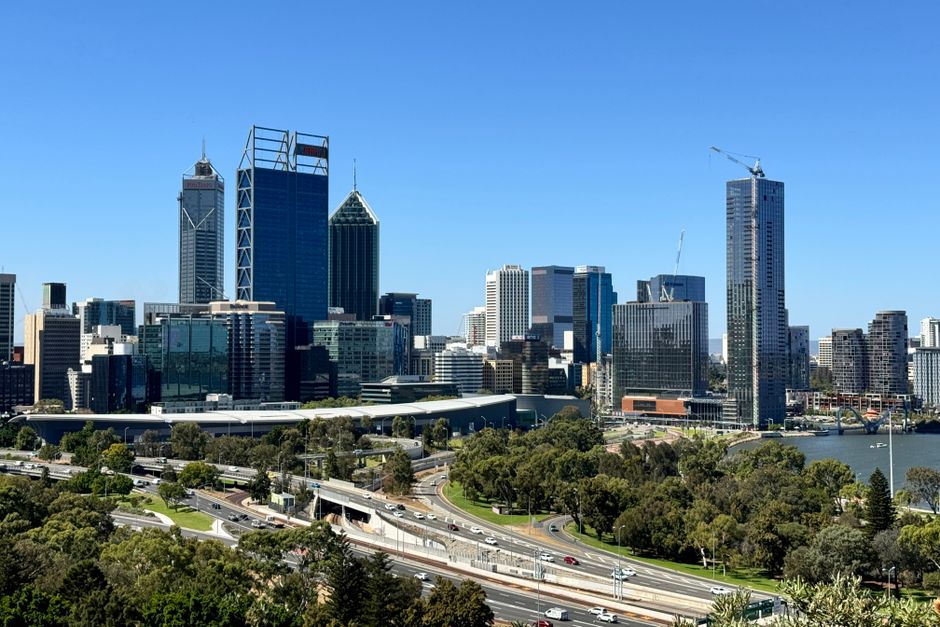
From Gold Rush to Global Stage: How Perth's Cultural Identity Evolved Through a Century of Change
The city's arts scene has transformed from colonial outpost to vibrant cultural hub, with heritage landmarks and grassroots movements shaping who we are today.
Perth's cultural landscape bears the imprint of its gold rush origins, yet today's thriving arts ecosystem tells a markedly different story—one shaped by migration, investment, and a determined local push to assert identity beyond resource extraction.
The journey begins in Northbridge, where converted warehouses and heritage buildings from the 1890s now house galleries, performance spaces, and independent venues. What was once a commercial precinct serving miners and traders became, by the 1980s, a cultural renewal zone. The Perth Institute of Contemporary Arts, established in 1991, catalyzed this transformation. Today, venues like the Ro Gallery and numerous artist studios line William Street, testament to how heritage infrastructure has been repurposed by successive generations seeking creative expression.
The evolution accelerated with major institutions investing in the city's cultural credentials. The Art Gallery of Western Australia, established 1895, underwent significant renovation beginning in 2018, reflecting a broader pattern of heritage preservation meeting contemporary ambition. Meanwhile, the Perth Festival, first held in 1953, has grown from a modest regional event into an internationally recognized showcase attracting artists and audiences worth an estimated $200 million annually to the local economy.
Advertisement
Subiaco and Fremantle represent parallel narratives. Subiaco's transformation from working-class suburb to cultural precinct mirrors broader Australian patterns, with the Subiaco Arts Centre providing grassroots programming since the 1990s. Fremantle, meanwhile, weaponized its convict heritage and port history into cultural identity—the Fremantle Arts Centre, housed in a restored Victorian asylum, exemplifies how contested histories can be reframed as cultural assets.
What distinguishes Perth's recent evolution is demographic. The city's multicultural communities—particularly the Chinese, Indian, and Southeast Asian diaspora communities—have increasingly shaped cultural production. Northbridge now hosts the Confucius Institute alongside Indigenous art galleries, reflecting a deliberate broadening of what constitutes Perth's cultural identity beyond Anglo-European frameworks.
The challenge ahead sits in balance. Heritage conservation costs continue climbing—maintenance of Victorian-era buildings averages $15,000-$25,000 annually per venue. Grassroots artists face rising rents in increasingly desirable neighborhoods. Yet the story from 1890s gold rush infrastructure through 1950s festival founding to today's multicultural creative spaces suggests Perth's cultural identity remains dynamic, contested, and fundamentally tied to how we choose to preserve, interpret, and evolve our inherited spaces.
This article was compiled by AI from the sources linked above and screened before publishing. See our editorial standards.