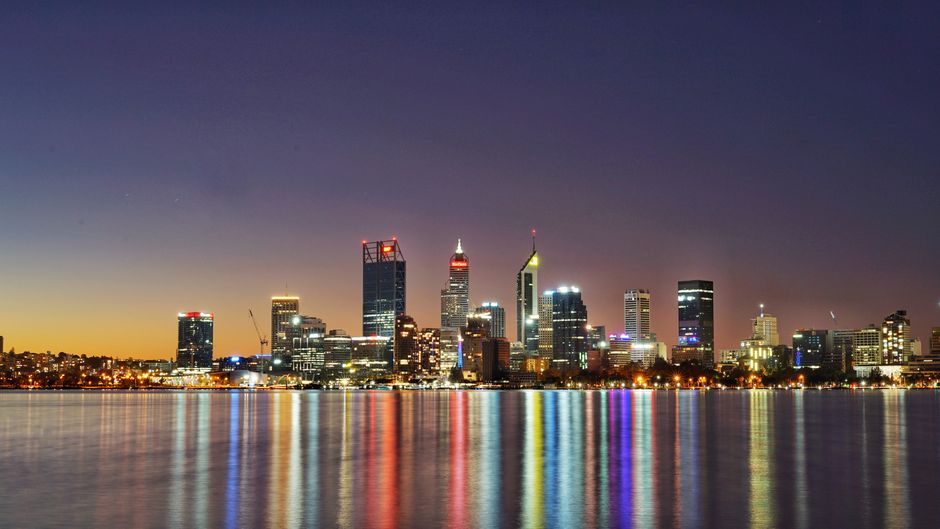
As employers across the city embrace flexible working arrangements, Perth's professional landscape is undergoing rapid transformation—with winners and losers emerging across different sectors.
Perth's employment landscape is experiencing a seismic shift. What began as a pandemic-era experiment has solidified into a permanent structural change, fundamentally altering how businesses in the CBD and beyond recruit, retain and organise talent.
The numbers tell a striking story. According to recent data from the Perth Chamber of Commerce, approximately 38 per cent of professional services roles in the city now offer hybrid or fully remote arrangements—up from just 12 per cent in 2022. For Perth's prestigious office towers along St Georges Terrace and the sprawling commercial precincts of West Perth, this represents an existential challenge.
"We're seeing landlords negotiate harder than ever," says a commercial property agent working the Subiaco and Shenton Park corridors. Office vacancy rates have crept toward 11 per cent, with several mid-tier buildings offering incentives previously unimaginable. Meanwhile, Perth's outer suburbs—Nedlands, Dalkeith, Cottesloe—are experiencing an unexpected economic renaissance as professional workers abandon inner-city commutes.
Advertisement
The talent implications are profound. Tech firms clustered around Northbridge and East Perth are now recruiting nationally and internationally, no longer constrained by geography. A mid-level software engineer or marketing specialist in Melbourne or Brisbane can now compete for Perth positions without relocation. This has compressed wage growth for mid-tier roles while creating intense competition among employers for genuinely specialised talent.
Paradoxically, sectors requiring physical presence—hospitality, construction, aged care, healthcare—are facing acute labour shortages. Hospitality venues throughout the Perth cultural precinct report chronic staffing challenges, with wages in the sector rising 6.2 per cent annually over the past two years.
The professional services sector is experiencing internal stratification. Senior roles requiring executive presence and client-facing work remain tethered to office locations, while junior and mid-level positions have dispersed. Some major firms headquartered on St Georges Terrace report difficulty attracting graduate talent unwilling to commit to full-time office attendance.
Local recruitment agencies report a fundamental reshaping of their business model. Traditional placement work for permanent office roles is declining, while demand for contract, interim and project-based placements—often remote—is surging.
For Perth's broader economy, the implications remain uncertain. Remote work offers genuine quality-of-life benefits and positions Perth competitively in national talent markets. Yet the city risks hollowing out its CBD, with corresponding implications for hospitality, transport and commercial real estate. How Perth navigates this transition will define its economic resilience for the next decade.
This article was compiled by AI and screened before publishing. See our editorial standards.