Tourism Surge Drives Perth Hospitality Worker Shortages, Wage Growth
Record visitor numbers are driving wage growth and recruitment challenges across the city's hospitality sector, forcing businesses to compete harder for talent.
2 min read
Record visitor numbers are driving wage growth and recruitment challenges across the city's hospitality sector, forcing businesses to compete harder for talent.
2 min read
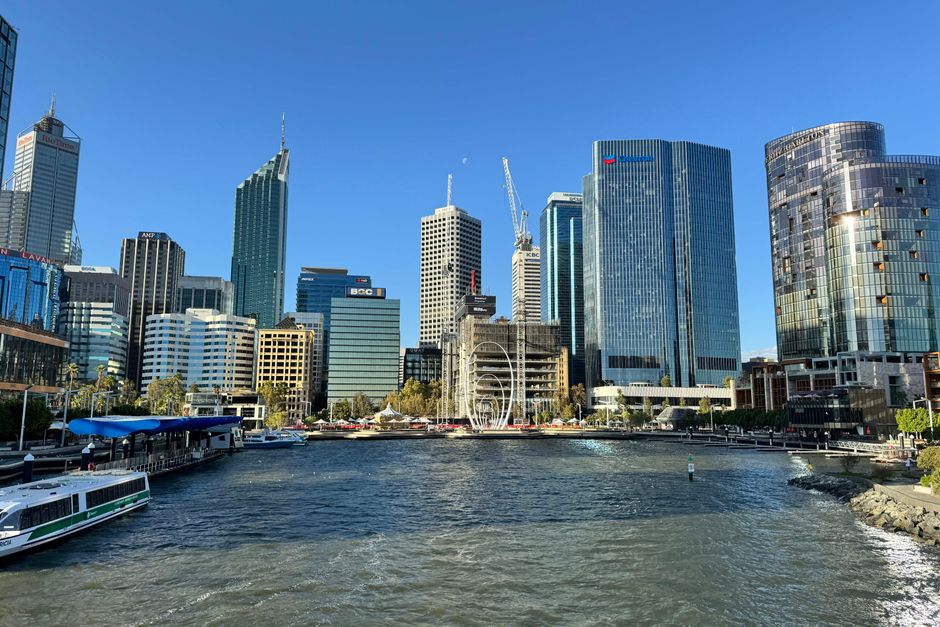
Perth's booming visitor economy is fundamentally reshaping the local labour market, creating both opportunity and friction as tourism operators compete fiercely for workers in a tight talent pool.
International visitor numbers to Western Australia have surged 34 per cent in the past two years, with Perth capturing the lion's share. Hotels along the Swan River precinct and across the CBD are operating near full capacity, while restaurants in Northbridge and Subiaco report record bookings. This surge is creating unprecedented demand for hospitality workers—chefs, front-of-house staff, housekeeping and event coordinators—but the supply isn't keeping pace.
Hospitality wages across Perth have climbed sharply. Entry-level positions in premium hotels now command $65,000-$70,000 annually, up from $58,000 two years ago. Senior roles in event management and guest services reach $95,000-plus. Yet businesses still struggle to fill vacancies.
The Tourism Council Western Australia estimates the sector needs 2,400 additional workers within 12 months to meet demand. Training facilities like Perth Institute of Business and Technology are expanding hospitality courses, but graduates are being poached by competing operators faster than institutions can train them.
The ripple effects extend beyond direct hospitality roles. Attractions along the Foreshore—from the newly revamped Elizabeth Quay precinct to the Perth Cultural Centre—are expanding visitor experiences and hiring curators, guides and operations staff. Transport companies have increased driver recruitment to service airport and city tours. Wine regions in the Swan Valley are seeking sommeliers and tourism coordinators.
However, the boom is creating structural challenges. Small independent operators on King Street and in Leederville report difficulty competing with larger hotel groups on wages and benefits, raising concerns about diversity in Perth's food and beverage landscape. Some regional hospitality businesses are losing staff to the city, intensifying workforce imbalances across Western Australia.
Skills gaps are equally pressing. Hospitality leaders say they struggle to find workers with customer service excellence, language capabilities and advanced technical skills. Cross-training initiatives and partnerships between businesses and training providers are gaining traction, but they're Band-Aid solutions to a systemic supply problem.
The talent squeeze is also accelerating innovation. Some operators are investing in automation for back-office functions, allowing staff to focus on guest experiences. Others are offering flexible scheduling and career progression pathways to improve retention.
Industry insiders expect visitor numbers to continue climbing, driven by international marketing campaigns and Perth's appeal as a long-haul destination. Without urgent investment in workforce development and migration pathways for skilled hospitality professionals, Perth's tourism growth could plateau. The city's ability to capitalise on this golden period depends less on attractions than on securing the people to deliver world-class experiences.
This article was compiled by AI and screened before publishing. See our editorial standards.
Spread the word
About this article
Published by The Daily Perth
Stay in the loop
Daily brief
Free, in your inbox before 7am. Weekdays.
The Daily Network — local news across Australia
More local news across Australia