Perth Restaurants Cash In as Diners Embrace Premium Dining Trend
As WA households embrace quality over quantity, independent restaurants and upmarket food retailers across the CBD and suburbs are seeing unprecedented growth.
2 min read
As WA households embrace quality over quantity, independent restaurants and upmarket food retailers across the CBD and suburbs are seeing unprecedented growth.
2 min read
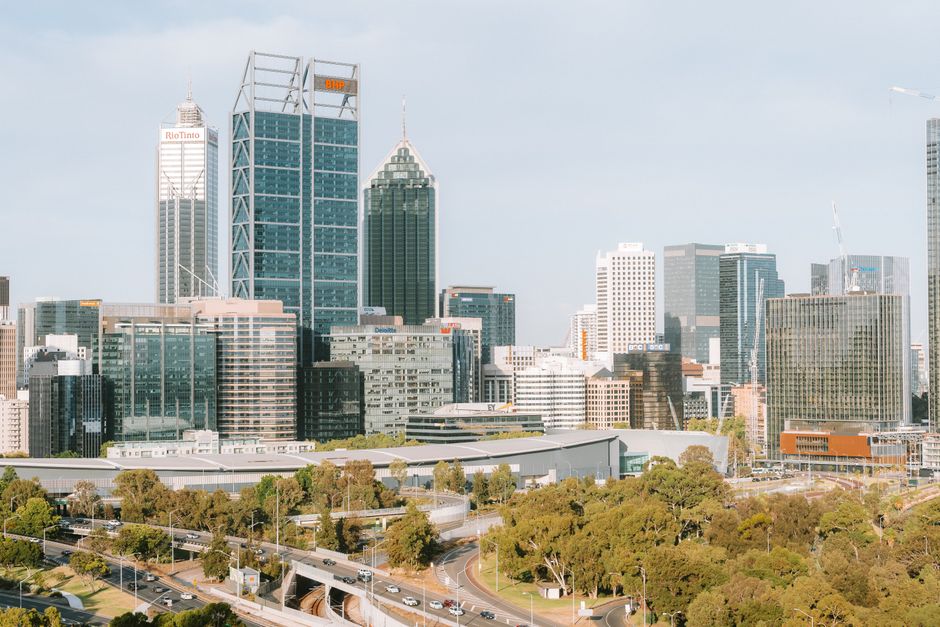
Perth's retail hospitality sector is experiencing a marked transformation, with independent operators and established hospitality groups positioning themselves to capture a growing appetite for premium dining experiences across the metropolitan region.
The shift reflects broader consumer behaviour patterns evident nationally, where disposable income among affluent households is being redirected toward experiential spending. In Perth's case, this momentum is particularly visible along Northbridge's burgeoning restaurant precinct, where venues have reported 18-month waitlists for premium bookings, while the Kings Park precinct continues attracting high-end café and dining concepts targeting the corporate lunch market.
Data from the WA Retailers Association indicates foot traffic in central hospitality precincts has grown 12 per cent year-on-year, with average transaction values climbing significantly. Multiple operators report that customers are trading down on frequency but trading up substantially on spend-per-visit—a pattern that favours quality-focused establishments over high-volume chains.
The beneficiaries are becoming clear. Independent wine bars and fine dining establishments in Subiaco and Cottesloe have expanded floor space or opened secondary venues, while specialty food retailers—particularly those emphasizing local provenance and artisanal production—are gaining shelf space in affluent suburbs like Dalkeith and Peppermint Grove. Several prominent hospitality groups have accelerated their Perth footprint development, recognising the city's demographic composition increasingly supports higher-margin concepts.
Recent consumer compliance actions across the food sector, including industry-wide scrutiny of labelling and transparency standards, appear to be working in favour of smaller operators who market authenticity and traceability. Venues offering genuine provenance stories and direct-sourcing models are differentiating effectively in an increasingly competitive market.
The opportunity extends to hospitality precinct activation. The Perth City Council's ongoing commitment to laneway activation projects and outdoor dining expansion has created real estate advantages for early movers. Operators who secured positions in emerging food destinations 18-24 months ago are now enjoying significant competitive advantages.
However, industry contacts note headwinds remain. Labour costs in hospitality continue climbing, and operators face sustained pressure on margins despite strong revenue growth. Supply chain complexity and regulatory compliance costs are creating barriers to entry that favour established players with operational infrastructure.
For Perth investors and industry participants, the window appears open but not indefinite. The question facing the sector now is whether this premium-dining momentum will sustain through market cycles, or whether it represents a temporary rotation in consumer spending patterns triggered by wealth concentration among higher-income households.
This article was compiled by AI and screened before publishing. See our editorial standards.
Spread the word
About this article
Published by The Daily Perth
Stay in the loop
Daily brief
Free, in your inbox before 7am. Weekdays.
The Daily Network — local news across Australia
More local news across Australia