What Perth's Investment Flows Tell Us About Your Cost of Living
As capital pours into Western Australia's property and tech sectors, understanding where money moves reveals the real story behind rising household expenses.
2 min read
As capital pours into Western Australia's property and tech sectors, understanding where money moves reveals the real story behind rising household expenses.
2 min read
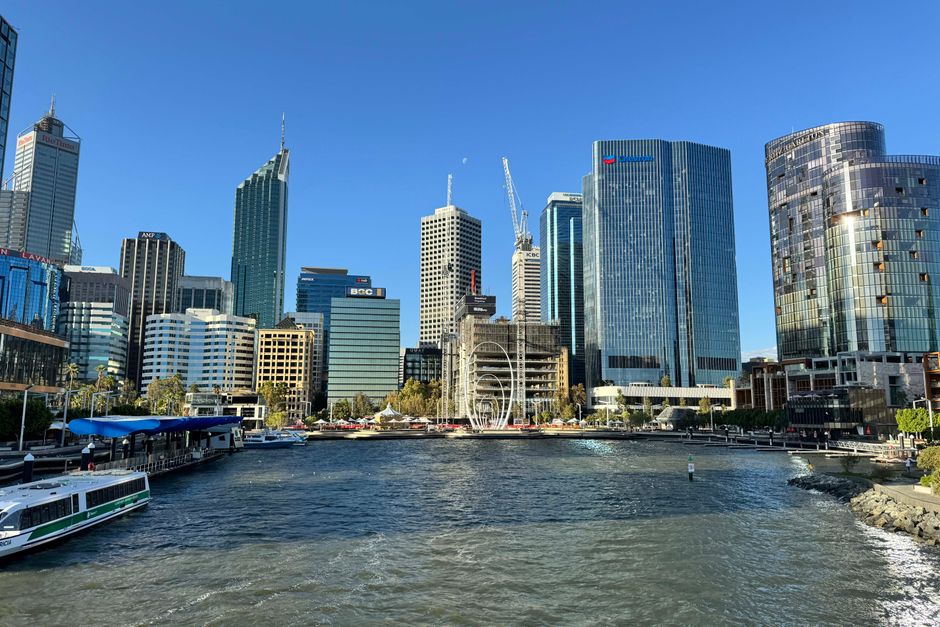
Perth's position as Australia's third-wealthiest city by median wealth masks a more complex picture unfolding across the metropolitan area. While international investment continues to strengthen our regional economy, local households are navigating a different reality—one where understanding investment flows has become essential to grasping cost-of-living pressures.
Recent capital movements tell a revealing story. Property investment into suburbs like Subiaco and South Perth has intensified, with median values climbing faster than wage growth. Meanwhile, institutional investors are increasingly targeting Perth's burgeoning technology sector in the CBD and Northbridge precinct. These flows matter because they reshape where money circulates within our economy—and ultimately, what everyday items cost.
Consider the mechanics: when foreign capital seeks Perth real estate as a safe haven, it inflates property values and construction costs. A residential development in Mount Lawley that might have cost $2.8 million two years ago now commands $3.4 million. This trickles down. Developers pass costs to contractors, who adjust wages. Construction materials suppliers increase prices. Renters and first-home buyers feel the squeeze immediately.
The commodity-linked nature of Western Australia's economy compounds this effect. When international markets signal confidence in resources (as they did this quarter), investment flows strengthen the Australian dollar, making imports more expensive. Grocery bills at Coles or Woolworths on St Georges Terrace reflect these global currents. A basket of essentials that cost $156 eighteen months ago now runs $172.
Yet investment flows carry opportunity. Tech sector capital flowing into Northbridge and East Perth creates high-wage employment that can offset living cost increases—but only for those positioned to access it. Meanwhile, traditional manufacturing and service-sector workers in outer suburbs like Rockingham or Midland see fewer such openings.
The wealth indicator matters here. Australia's third-ranking globally masks distribution. Perth has genuine wealth concentration among property holders and resource-sector investors. For wage earners dependent on services or construction, the cost-of-living squeeze feels very real, even as aggregate wealth metrics improve.
Understanding these investment patterns isn't academic. When you see capital flowing toward commercial real estate on Hay Street or residential developments in Cottesloe, you're watching the forces that shape mortgage rates, rental markets, and grocery costs. Investment flows reveal where our economy is heading—and for most Perth households, that destination is higher living costs before relief arrives.
This article was compiled by AI and screened before publishing. See our editorial standards.
Spread the word
About this article
Published by The Daily Perth
Stay in the loop
Daily brief
Free, in your inbox before 7am. Weekdays.
The Daily Network — local news across Australia
More local news across Australia